Leeds United underwent a significant overhaul during the summer transfer window, bringing in a total of 10 new players to bolster their squad as they prepared for the challenges of the Premier League. Despite incorporating these new signings and factoring in player departures during that period, the squad size remained considerable.
Fans were aware that additional quality was needed for Leeds to compete at the top level, prompting the club to make strategic improvements across various areas of the team, particularly in midfield and attacking depth.
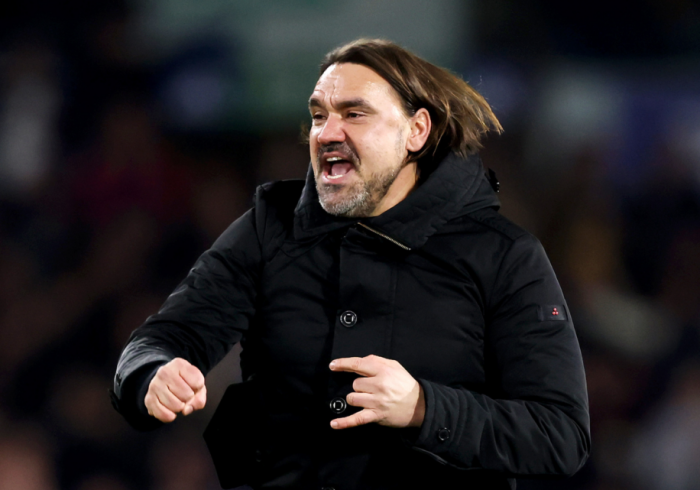
In the initial stages of the season, manager Daniel Farke appeared hesitant to utilize many of the summer acquisitions, with only Anton Stach and Dominic Calvert-Lewin regularly featuring in the lineup. However, as the season progressed, injuries and tactical adjustments forced Farke to introduce some of the new signings into the starting XI.
Questions arose regarding the limited playing time for players like Bornauw and Bijol early in the campaign, with Farke explaining that the initial defensive pairings of Struijk and Rodon made it challenging to rotate the squad. It was only when a shift to a back three formation occurred that Bijol secured a regular starting spot, while Bornauw eventually saw increased involvement following Rodon’s injury.
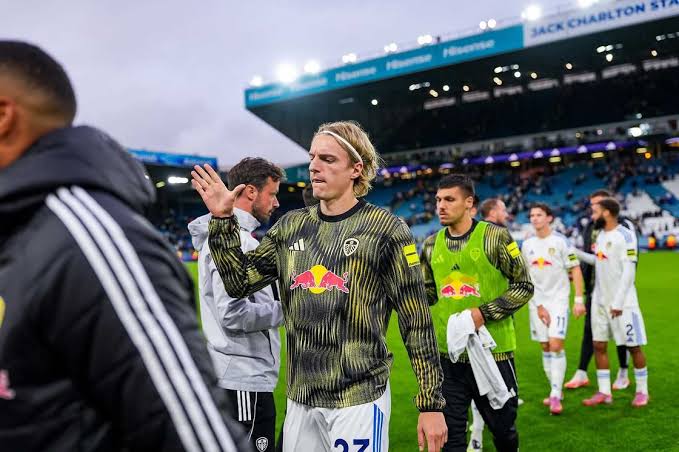
Recent reports have suggested that Bornauw is seeking a potential exit from Leeds United after making a mere six Premier League appearances this season. Sources from BILD indicate that the Belgian defender is open to a January departure, with his agent actively exploring opportunities with clubs in Germany. While nothing has been finalized, Leeds is reportedly interested in securing a replacement if the 24-year-old opts to depart.
Leeds United supporters may understandably feel frustrated if Bornauw decides to leave, given his recent arrival at the club. The decision raises questions about a player’s commitment to a long-term project, especially when faced with limited playing time. While fans may direct their disappointment towards Bornauw, they should also consider the circumstances from the player’s perspective, as being on the bench for a significant portion of the season can be challenging.
Furthermore, the situation prompts reflection on the managerial decisions made by Farke and the club’s hierarchy. The decision to sign Bornauw, knowing that he may not feature prominently in the squad, sparks discussions about player recruitment strategies and squad management. As emotions run high among fans, it is essential to acknowledge the complexities of player development and team dynamics in the context of a competitive football environment.