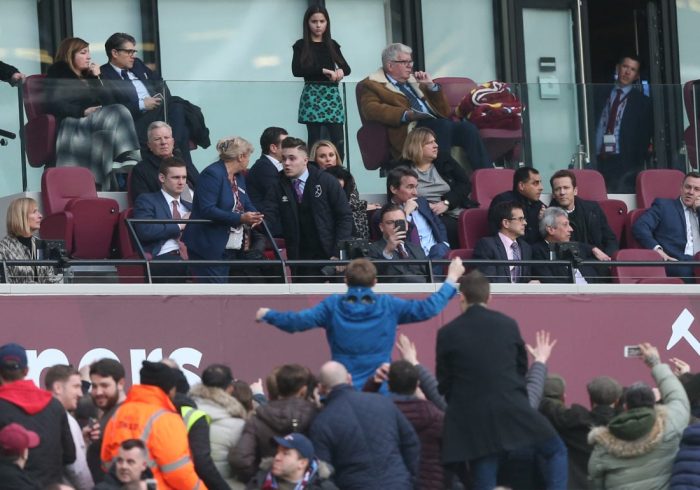
When Jack Grealish left Aston Villa in 2021 for a record £100 million move to Manchester City, many feared it would mark the beginning of a decline. Instead, it triggered a transformation.
Now, under Unai Emery, Villa are thriving—pushing for Champions League qualification and competing at the top end of the Premier League. But as history has shown, bold decisions can define progress.
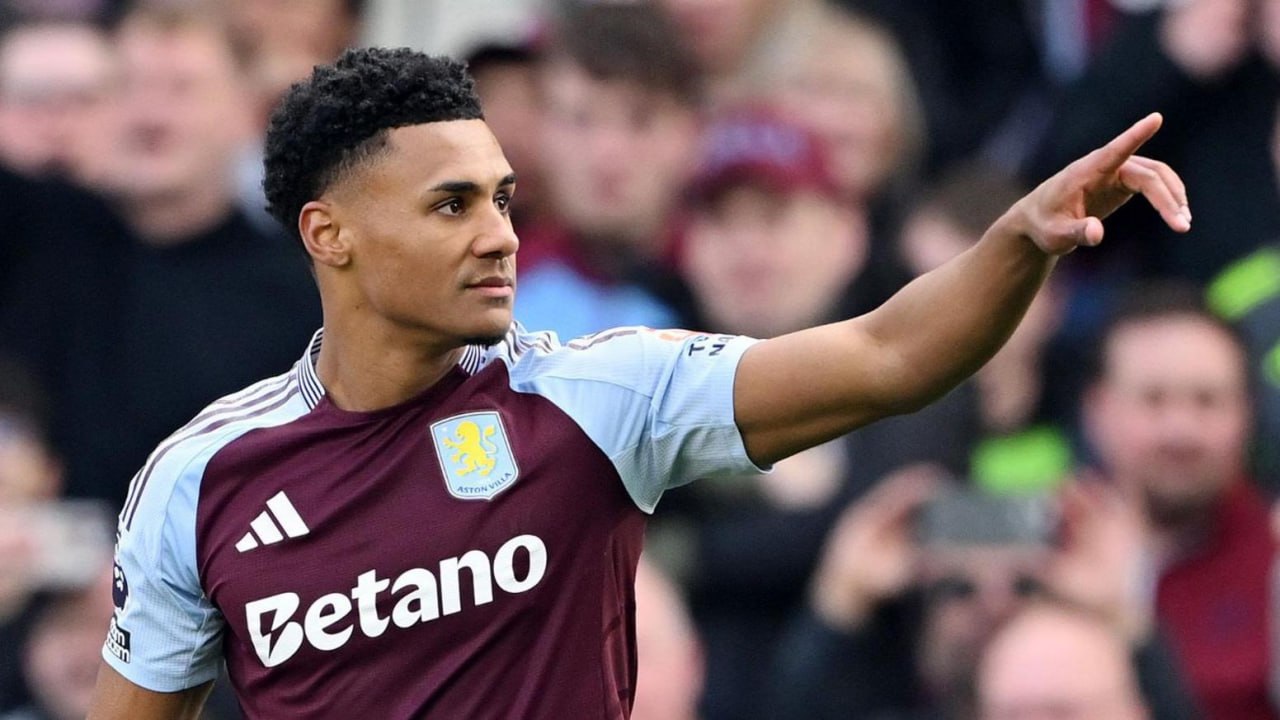
And this summer, Emery may be faced with another one: whether to part ways with Ollie Watkins.
From Grealish to Growth
Grealish’s departure proved to be a turning point.
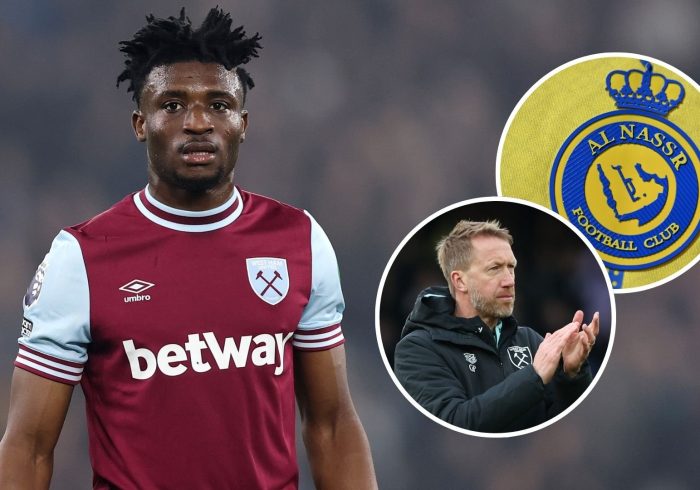
The funds generated from that sale allowed Villa to rebuild intelligently, bringing in players like Moussa Diaby, Pau Torres, Amadou Onana, and Ian Maatsen. The squad evolved from one reliant on a single talisman into a well-balanced, competitive unit.
In that new era, Ollie Watkins emerged as the club’s leading figure.
His goals, movement, and relentless work rate made him arguably Villa’s most important player in the post-Grealish years. At his peak, Watkins was among the Premier League’s most effective forwards—combining clinical finishing with creative link-up play.
A Noticeable Decline
However, the current season tells a different story.
Watkins’ numbers have dropped significantly. After scoring 16 league goals last season, he has managed just nine so far this campaign. His assist tally has also fallen sharply, from eight to just one.
Beyond the raw statistics, the overall impact has diminished.
The sharpness that once defined his game appears to have faded. His finishing has become less reliable, his movement less decisive, and his influence in build-up play noticeably reduced. Where he once exceeded expectations, he is now underperforming relative to his expected goals.
At 30, questions about longevity and peak performance naturally begin to surface.
Increased Competition for Places
Another factor complicating Watkins’ situation is growing competition.
Tammy Abraham has emerged as a genuine alternative, pushing for a starting role and offering a different attacking profile. Meanwhile, Villa’s evolving squad means Emery has more tactical flexibility than ever before.
This is no longer a team built around one focal point—it is a system built on balance and adaptability.
If Watkins is no longer delivering consistently, he risks becoming replaceable.
A Familiar Crossroads
The parallels with Grealish are hard to ignore.
Back then, selling the club’s best player felt unthinkable. In hindsight, it proved to be the catalyst for growth. Now, Villa face a similar crossroads—though under very different circumstances.
This time, it is not just about financial gain.
It is about timing.
Selling Watkins now could allow Villa to reinvest in a younger, more dynamic forward—one who aligns with Emery’s long-term vision. Waiting too long, however, risks diminishing both his value and his impact.
Legacy vs Progress
There is no question about Watkins’ contribution to Aston Villa.
He has been central to their rise, delivering crucial goals and memorable moments. His legacy at Villa Park is secure, and he remains a fan favourite.
But football is ultimately driven by evolution.
For clubs with ambitions of sustained success at the highest level, difficult decisions are inevitable. Loyalty and sentiment must sometimes give way to strategic thinking.
What Should Emery Do?
The answer may depend on the offers that arrive.
If a significant bid comes in during the summer transfer window, Villa may be tempted to act—especially if it allows them to refresh their attack and maintain upward momentum.
However, if no suitable replacement is identified, keeping Watkins for another season could still provide value, particularly in a rotational role.
Final Verdict
Unai Emery has transformed Aston Villa by making smart, sometimes ruthless decisions.
The potential sale of Ollie Watkins would fall into that category—a move that might be unpopular in the short term but beneficial in the long run.
Just as the departure of Jack Grealish paved the way for progress, parting ways with Watkins could mark the beginning of the next phase in Villa’s evolution.
The question now is whether Emery is ready to make that call.