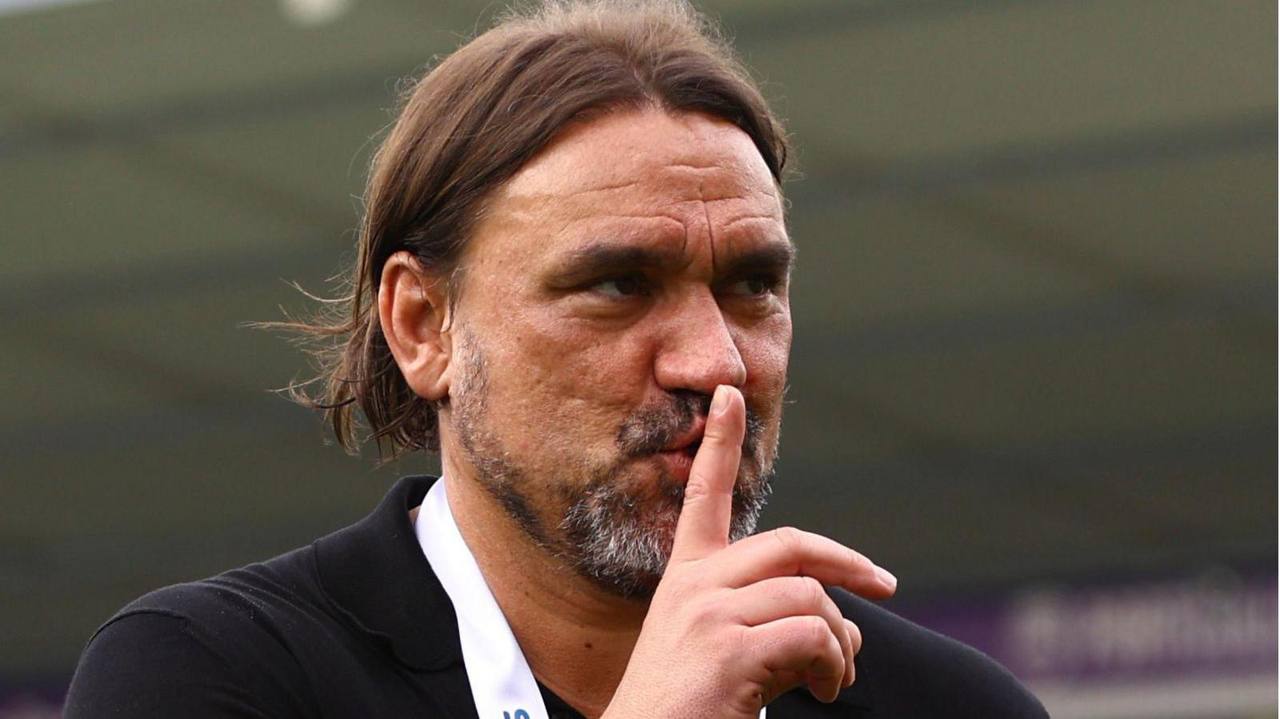
Leeds United head coach Daniel Farke may have quietly welcomed a controversial international decision involving Anton Stach, despite growing frustration in Germany over the midfielder’s lack of minutes.
Stach, who has been one of Leeds’ standout performers this season, endured a frustrating international break with Germany national team. After making a brief cameo appearance against Switzerland, the 27-year-old was left on the bench for the entirety of Germany’s 2-1 win over Ghana. The decision raised eyebrows, particularly given his consistent form at club level and the underwhelming displays of some players ahead of him in the pecking order.
For Farke, however, the situation presents an unexpected advantage.
With Leeds preparing for a crucial FA Cup quarter-final clash against West Ham United, having Stach return to Elland Road fresh and fully fit could prove invaluable. At this stage of the season, where every match carries significant weight, player fitness and sharpness are critical. While international recognition is often a reward for club form, it can also bring the risk of fatigue or injury—something Leeds have effectively avoided in this case.
Stach’s importance to Leeds cannot be overstated. Since arriving from Hoffenheim last summer, he has quickly established himself as a key figure in midfield. Following a brief injury setback earlier in the year, he seamlessly reclaimed his place in the starting lineup, underlining both his quality and importance to Farke’s system. His blend of physicality, composure, and tactical intelligence has made him one of the most reliable performers in the squad.
Yet, his situation with the national team paints a very different picture.
Under Julian Nagelsmann, Germany appear to have a defined structure and hierarchy in midfield. Despite opportunities to rotate and experiment, Nagelsmann has largely stuck with established names, even when performances have failed to impress. Players like Leon Goretzka have continued to start, despite criticism, while Stach has been limited to brief appearances.
Nagelsmann himself has hinted at a rigid selection approach, emphasizing the importance of maintaining clearly defined roles ahead of the upcoming World Cup. While this strategy may help build cohesion, it risks overlooking in-form players like Stach, who have arguably earned a greater role.
The situation becomes even more puzzling when considering other selection decisions. Deniz Undav, one of the most prolific German forwards in Europe this season, has also been largely restricted to substitute appearances. This suggests a broader pattern within the national setup, where form does not always guarantee opportunity.
For Stach, the implications could be significant. With competition for places intensifying and only limited matches remaining before the World Cup, his chances of securing a spot in the squad are far from certain. It’s a scenario that has left both Leeds supporters and German fans questioning the logic behind his limited involvement.
Back in West Yorkshire, though, the focus is far more immediate.
Leeds are entering a defining period of their season, balancing domestic ambitions with the opportunity to make a deep FA Cup run. A fully rested Stach could be a decisive factor, particularly against a physically demanding opponent like West Ham. His presence in midfield offers stability, defensive cover, and the ability to transition play effectively—qualities that could prove crucial in a high-stakes knockout tie.
In that sense, what may be viewed as a snub on the international stage could turn into a blessing for Leeds. While Stach’s long-term international future remains uncertain, his short-term availability gives Farke exactly what he needs: a fit, motivated, and hungry midfielder ready to make an impact when it matters most.
Sometimes, setbacks in one arena can create opportunities in another—and for Leeds United, this might be one of those moments.