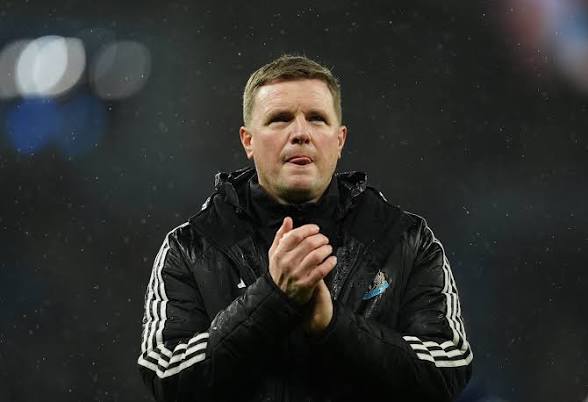
Newcastle United have moved to calm growing speculation surrounding Eddie Howe’s future, insisting there are no immediate plans to part ways with the under-pressure head coach—despite a difficult run of results and a painful derby defeat to Sunderland AFC.
The Magpies’ 2–1 loss in the Tyne-Wear derby has intensified scrutiny on Howe, with frustration among supporters reaching new heights. Late drama saw Sunderland snatch victory, leaving Newcastle’s players and staff facing boos at full-time—an image that underlines the growing tension around the club.
However, chief executive David Hopkinson has made it clear that the club hierarchy is not rushing into any decisions.
Speaking following the release of Newcastle’s latest financial accounts, Hopkinson emphasized stability, stating that Howe remains the man in charge as the club navigates the final stretch of the season. While he stopped short of offering long-term guarantees, his message was clear: there will be no mid-season managerial change.
Newcastle currently sit 12th in the table—well below expectations after last season’s top-five finish. Their campaign has been a mixed one, combining a respectable run in European and domestic cup competitions with inconsistent league form that has left them chasing, rather than setting, the pace.
The pressure is further compounded by the possibility of missing out on European football next season. Such an outcome could have wider implications, affecting both the club’s financial outlook and its ability to retain or attract top talent.
Interestingly, the financial figures released alongside Hopkinson’s comments paint a more positive picture off the pitch. Newcastle reported a post-tax profit of £34.7 million, driven largely by a significant rise in commercial revenue. Turnover climbed to a record £335.3 million, reflecting the club’s continued growth as a commercial force—even during a challenging season on the field.
One of the more notable revelations was the restructuring involving St James’ Park, which has effectively been sold to a parent company and leased back. This move could ease future financial burdens related to stadium development, suggesting long-term strategic planning remains firmly in place behind the scenes.
For now, though, the focus remains on the pitch.
With seven games left to play, Howe has a limited window to turn things around and restore belief among the fanbase. The club’s leadership appears willing to give him that opportunity, backing continuity over reaction in what remains a pivotal period.
The coming weeks will be crucial—not just for Newcastle’s league position, but for shaping the narrative around Howe’s future. While the board has shown faith, results will ultimately dictate whether that confidence holds heading into the summer.
For Sunderland fans, meanwhile, the derby victory adds an extra layer of satisfaction—both in terms of local bragging rights and the added pressure now weighing on their fierce rivals.