Leicester City’s Spiraling Crisis: A Mixture of Anger and Indifference
Failure has many manifestations, yet it frequently carries a familiar, weary aesthetic. My previous trip to the King Power Stadium took place on Easter Sunday in 2025, a somber occasion where I witnessed Leicester City’s second top-flight relegation in just three seasons being made official. Returning to the venue almost a year later, the club has dropped down another level in the football pyramid, yet the atmosphere remains a volatile blend of white-hot rage and hollow apathy. Despite the change in scenery, the fundamental sense of decay remains stubbornly the same.
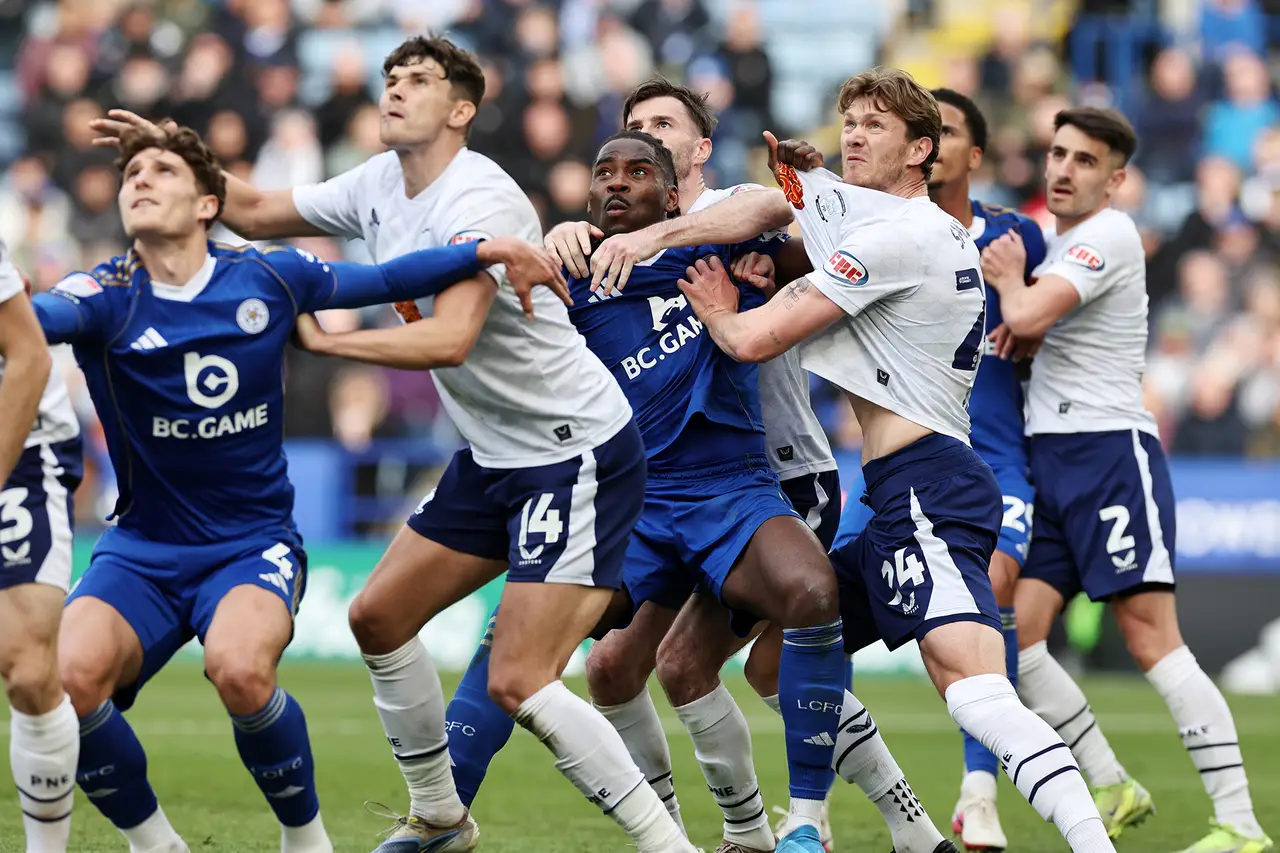
Even with the benefit of a bank holiday weekend, the stadium was only about 80% full—a generous estimate—for a 2-2 draw against Preston North End that was largely defined by sheer technical incompetence. Two massive defensive blunders gifted Patson Daka the opportunity to net his fourth and fifth league goals of a dry campaign in what was his 35th outing. On the other end, Preston’s equalizer was a result of schoolboy defending, as Ben Whiteman was left completely untracked to score from a corner. The Foxes have now managed a solitary win in their previous 14 league fixtures. While they have only suffered two defeats in eight games under Gary Rowett—who took the reins in February after being let go by fellow strugglers Oxford United—the trajectory remains downward. Compounding their woes is a six-point penalty for Profitability and Sustainability breaches; a punishment that could have been much harsher, though the club is currently in the process of appealing. They languish in 22nd place, a point adrift of safety, while Portsmouth sits above them with the luxury of a game in hand.
Recent scrutiny regarding the “Leicester omnishambles” has quite rightly centered on the boardroom and the owners. Critics have pointed to disastrous recruitment strategies, a failure to modernize infrastructure, and catastrophic financial oversight. However, the sheer scale of the playing squad’s regression has been so total that it is frequently treated as a freak occurrence or a piece of inexplicable bad luck.
The individual fall from grace is staggering. Not long ago, Luke Thomas was featured on the FIFA Golden Boy shortlist alongside superstars like Jude Bellingham and Bukayo Saka. Harry Winks has a Champions League final on his resume and double-digit caps for England. Oliver Skipp arrived with a £10m price tag and over a hundred Premier League appearances under his belt. Abdul Fatawu, once heralded as perhaps the most promising African talent of his generation, started the year brightly but has managed only one goal in his last seven games. Similarly, Stephy Mavididi, who was prolific in the Championship two years ago, has seen his output drop to just two goals and two assists this term. Not a single one of these players has reached the age of 30, yet they all appear to be mere ghosts of their former athletic selves.
On various digital fan forums, the rhetoric has turned dark, with supporters suggesting extreme measures ranging from corporal punishment to physically barricading the stadium exits to trap the ownership inside after a game. Paul Heckingbottom, the Preston boss, remarked that the Leicester squad is “fighting for their careers,” but that sentiment feels disconnected from the reality on the pitch. It seems more likely that these players are suffering from a collective delusion regarding their own quality, failing to realize that sustained poor form eventually just becomes their new baseline. A large portion of the dressing room has been looking for the exit since last summer, a culture of transience that former manager Martí Cifuentes was unable to rectify.
A bitter rift has also formed among the fanbase regarding the nature of protest. Supporters are divided on how to properly voice their anger at the executives without withdrawing support from the team, though the players themselves are hardly immune to the vitriol. While a mass boycott occurred during the West Brom game in January, a segment of the faithful believes that such demonstrations should not spill into the matchday environment.
Following the latest wave of unrest, Rowett made a public plea for the fans to stay united behind the team, and for the most part, the King Power crowd complied during the Preston match. A planned aerial protest involving a banner-towing plane failed to materialize.
There has been a recent shake-up in the backroom staff, with former City Group executive James McCarron joining as sporting director and Kevin Davies stepping up as CEO. This represents a belated admission that the previous structure was broken. While the unpopular Jon Rudkin was named chief football officer, this move is seen as a “technical promotion” designed to distance him from the day-to-day footballing operations.
Even as the overall market value of the squad plummets, there are small financial silver linings. Fatawu is still expected to command a fee of around £15m, and the massive wage burdens of players like Ricardo Pereira, Jordan Ayew, Winks, and Daka will finally lift when their contracts expire this summer. Furthermore, the youth academy continues to be a bright spot, producing seven players for England’s youth setups during the recent break. A trip to Sheffield Wednesday also offers a glimmer of hope for a much-needed victory.
Ultimately, any hope for a resurgence depends entirely on the Srivaddhanaprabha family’s willingness to continue absorbing massive losses, which totaled over £71m last year. Relegation would see the club lose its parachute payments, and failing to secure an immediate return to the top flight would almost certainly trigger further financial penalties and points deductions.
The restructuring of management and the eventual clearing of “dead wood” from the recruitment failures offer a few sprouts of optimism. The haunting question remains, however: has the rot set in too deep for these changes to actually matter?