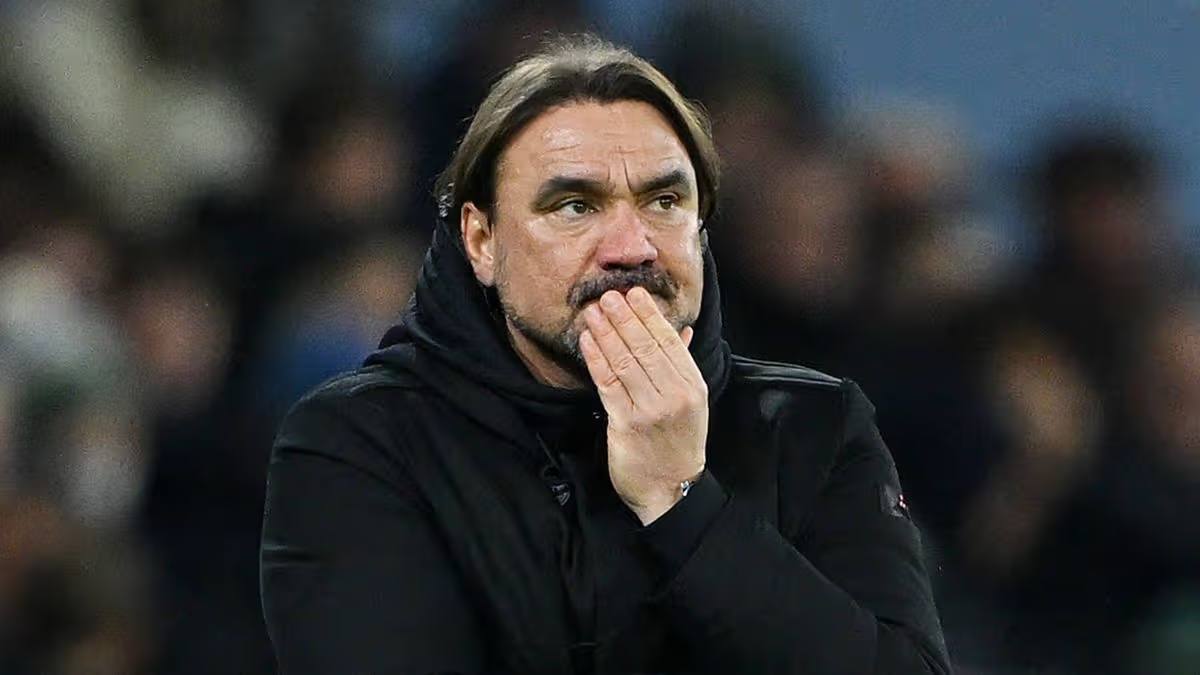
The debate around Leeds United and their manager Daniel Farke is rapidly intensifying as the Premier League season approaches its climax. With survival still hanging in the balance, emotions are understandably high—but looking beyond the immediate pressure, a bigger question looms: should Leeds stick with Farke even if he keeps them up?
On the surface, survival would represent success. Leeds returned to the top flight with clear ambitions of re-establishing themselves, and avoiding relegation is always the primary objective for a newly promoted side. If Farke achieves that, he will have technically done his job. But football clubs aiming for long-term growth cannot afford to think in such narrow terms. Staying up is one thing—building a team capable of thriving is another entirely.
Farke’s tenure has been a mixed bag. His record suggests competence, especially in the Championship, where his tactical structure and ability to organize teams have historically delivered results. However, the Premier League is an entirely different challenge, and that’s where doubts begin to surface. Across his time managing at this level, recurring issues have followed him—rigidity in tactics, slow in-game adjustments, and an overreliance on a defensive approach even when matches demand more ambition.
This season has highlighted those limitations. During Leeds’ stronger run of form, cracks were still visible beneath the surface. Performances often lacked control, attacking fluidity was inconsistent, and results sometimes masked underlying inefficiencies. Now that the wins have dried up, those issues are no longer easy to ignore. Leeds look like a team struggling to impose themselves, reacting rather than dictating—a worrying sign for any side hoping to establish Premier League stability.
To be fair, not all responsibility falls on Farke. Recruitment decisions, squad depth, and injuries have all played a role in Leeds’ inconsistency. The squad itself is not without flaws, and expecting a seamless transition into a competitive Premier League outfit may have been optimistic. But a manager’s role is to maximize what’s available—and more importantly, to evolve when things aren’t working. That evolution has largely been absent.
The bigger concern is what comes next. If Leeds survive, they will likely invest heavily in the squad over the summer. That presents a crucial opportunity—but also a risk. Entrusting Farke with another rebuild could mean doubling down on a system that has already shown its ceiling at this level. His track record suggests he excels in getting teams promoted, but not necessarily in sustaining or elevating them once they arrive.
Modern Premier League football demands adaptability, attacking intent, and tactical innovation. Teams that simply aim to survive year after year often fall into the trap of stagnation before eventually slipping back down. Leeds, with their history and fanbase, should be aiming higher. They need a manager capable of not just keeping them afloat, but pushing them forward—someone who can implement a progressive style while remaining competitive against stronger opposition.
This is where a ruthless decision becomes necessary. Moving on from Farke—even after survival—would not be a dismissal of his efforts, but rather a strategic shift. It would signal ambition, a willingness to evolve, and a commitment to long-term success rather than short-term relief.
Of course, replacing him is easier said than done. The right candidate would need to align with Leeds’ identity—high energy, attacking football, and a strong connection with supporters—while also bringing the tactical flexibility required at the highest level. It’s a delicate balance, but one that successful clubs consistently strive to achieve.
Ultimately, Leeds United are at a crossroads. Survival would provide stability, but it should not cloud judgment. If the club truly wants to progress, they must look beyond sentiment and assess whether Daniel Farke is the man to lead them into the future. Based on what we’ve seen, the answer may well be no—and acting on that realization could define the club’s trajectory for years to come.