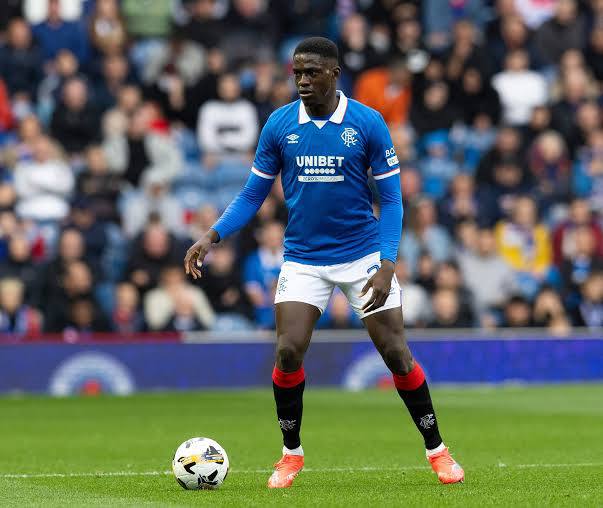
Rangers are facing a potentially frustrating summer in the transfer market, with the future of Nasser Djiga hanging in the balance as financial realities clash with on-field ambition.
The 23-year-old centre-back, currently on loan from Wolverhampton Wanderers, has grown into a dependable option at Ibrox after overcoming an inconsistent start. However, despite his recent rise in form, a permanent move to Rangers FC is far from guaranteed.
At the heart of the issue is Djiga’s £8 million buy option—an asking price that is causing hesitation within the Rangers hierarchy. While manager Danny Rohl is believed to value Djiga and would prefer to keep him, the club is reluctant to commit such a significant portion of their summer budget to a player who, while improving, is not yet considered indispensable.
This financial caution is further complicated by uncertainty surrounding Rangers’ European ambitions. Failure to secure UEFA Champions League qualification could tighten the club’s spending power even more, making a deal for Djiga increasingly unlikely.
Meanwhile, back at Wolves, manager Rob Edwards is reportedly assessing how Djiga might fit into his plans for next season. With the Midlands club edging closer to relegation from the Premier League, a major squad overhaul is expected. A drop to the Championship could open the door for Djiga to reintegrate into the squad, especially as Wolves look to rebuild with a mix of returning loanees and retained assets.
For Rangers, the situation leaves them in a difficult position. Djiga has shown enough promise—particularly alongside defenders like John Souttar and Emmanuel Fernandez—to justify interest in a permanent deal. Yet questions remain over whether his performances truly warrant the hefty fee attached to his contract.
Compounding matters, Rangers are also preparing for potential defensive reshuffles elsewhere. Fernandez, in particular, is attracting attention from clubs in England, including West Ham United, with previous links to top sides such as Arsenal FC and Manchester United. Despite this growing interest, Rangers are keen to resist offers and retain the defender as a key part of their long-term plans.
Rohl’s priority is clear: maintain stability while strengthening key areas of the squad. However, with limited resources and multiple positions requiring attention, difficult decisions are inevitable.
As things stand, Djiga’s future remains uncertain. Unless Rangers find a way to negotiate the fee or free up additional funds, the defender appears increasingly likely to return to Wolves—where a fresh opportunity could await in a reshaped squad.
In what is shaping up to be a pivotal summer for both clubs, Djiga’s situation highlights the delicate balance between ambition and financial reality in modern football.