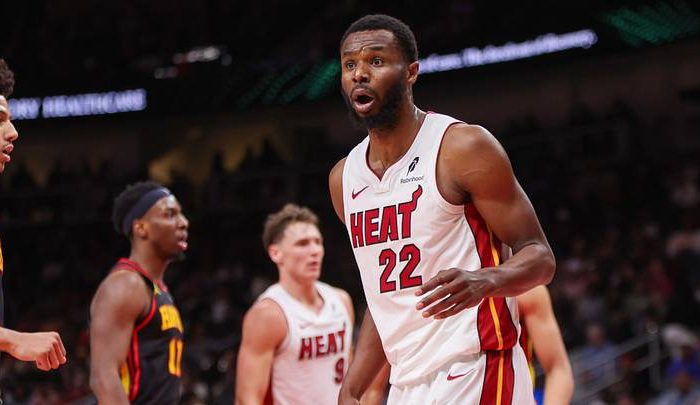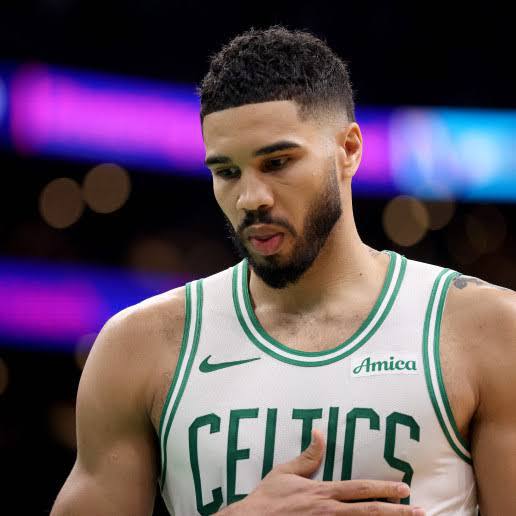
Since returning from a torn Achilles, Jayson Tatum has been under intense scrutiny. Every movement, every stat line, every possession—analyzed to measure how close he is to his pre-injury dominance. And while some have focused on what might be missing, they’ve overlooked something just as important: Tatum may have unlocked an entirely new dimension of his game.
A Different Kind of Dominance
Through his first stretch back, Tatum isn’t just performing—he’s redefining expectations. Averaging nearly 10 rebounds per game and coming off an 18-rebound performance against the Miami Heat, he’s doing something few wings in the modern NBA can claim: controlling the glass like a true big man.
Rebounding has always been part of Tatum’s skillset, but now it’s become a weapon. His defensive rebounding rate ranks among the league’s elite, placing him in the same conversation as dominant interior forces like Nikola Jokic, Domantas Sabonis, and Karl-Anthony Towns. The difference? Tatum isn’t a center—he’s doing this from the wing.
The Impact of Adaptation
Injuries often force players to evolve, and Tatum’s case is no different. With less emphasis on constant lateral movement and perimeter defense, he’s spending more time in the paint—reading plays, positioning himself better, and attacking rebounds with purpose.
It’s not just effort; it’s intelligence. Tatum is anticipating misses, boxing out more effectively, and using his length and timing to dominate possessions. The result is a player who doesn’t just contribute—he dictates.
Unlocking Boston’s Ceiling
For the Boston Celtics, this transformation is massive.
Tatum’s rebounding surge gives Boston flexibility they didn’t previously have. Whether paired with a traditional big or deployed in a small-ball lineup, the Celtics can now maintain control of the boards without sacrificing spacing or versatility. In certain lineups, Tatum effectively becomes a hybrid forward-center—an offensive creator who can also anchor possessions defensively.
That kind of versatility is rare. And dangerous.
More Than a Comeback
Simply returning from an Achilles injury is impressive. Returning at an elite level is exceptional. But returning as a more complete, more impactful player? That’s something else entirely.
Tatum’s resurgence isn’t just about scoring or highlight plays—it’s about influence. He’s impacting games in ways that don’t always make headlines but ultimately decide outcomes.
And if this version of Tatum continues to grow, the implications are clear: Boston isn’t just a contender—they’re a problem.
The Bigger Picture
As the season progresses, all eyes will remain on Tatum. Not just to see if he regains his old form, but to understand how far this new version can take him—and the Celtics.
Because if his rebounding leap is just the beginning, the rest of the league might not be ready for what comes next.