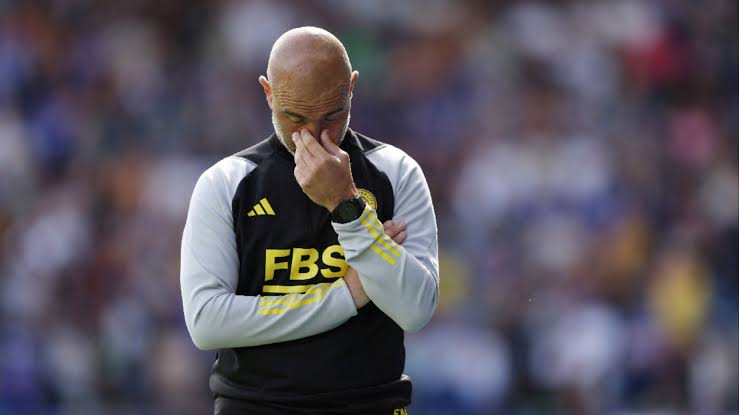
Rangers are doubling down on a bold new recruitment strategy—targeting the best emerging talent in Scotland—as they look to reshape their squad for the future under manager Danny Röhl.
With financial limitations making it difficult to compete with Premier League spending power, the Ibrox club has shifted focus in recent years. Rather than chasing expensive, established names abroad, Rangers are now prioritizing young, high-potential players closer to home.
A New Direction at Ibrox
This evolving approach reflects a long-term vision: build a squad capable of growing together, increasing in value, and competing at a higher level both domestically and in Europe.
Former Manchester United chief scout Mick Brown believes this strategy could pay off—not just for Rangers, but for Scottish football as a whole.
He points out that young Scottish players already understand the demands of the league, making their transition to a club like Rangers smoother, even if the pressure at Ibrox is significantly higher.
Learning From the Past
Historically, Rangers haven’t always found success when recruiting Scottish talent. Many of their recent signings have come from English lower leagues or as fringe players from European clubs.
Now, there’s a clear intent to change that narrative.
Recent additions like Lyall Cameron and Connor Barron signal a move in the right direction, while the club is also placing increased importance on developing players within their own academy system.
One example is Findlay Curtis, whose progress has impressed the club since his loan move. The 19-year-old recently earned his first senior Scotland cap, highlighting the kind of pathway Rangers hope to create.
Eyes on the Next Generation
Scouting efforts have intensified across the Scottish Premiership and beyond, with several young stars catching Rangers’ attention ahead of the summer transfer window.
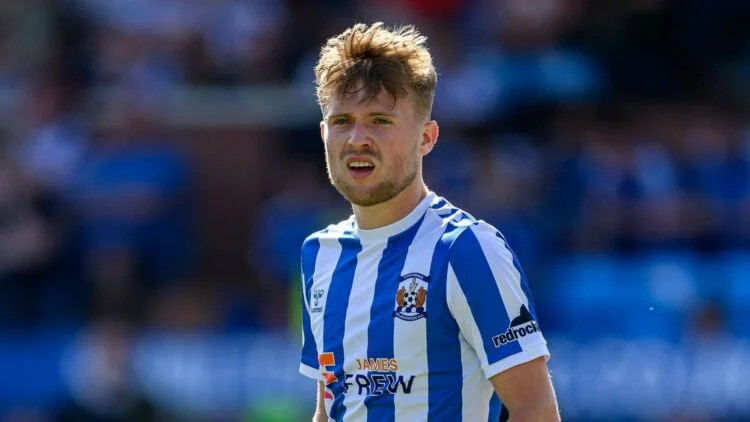
Among them is highly-rated midfielder David Watson, currently at Kilmarnock. His performances this season have drawn interest not only from Rangers but also from Celtic and multiple English Championship clubs.
Watson’s contract situation—set to expire at the end of the season—makes him an especially attractive option. As a potential free agent, he represents both quality and value, aligning perfectly with Rangers’ new recruitment model.
The Champions League Factor
While Rangers are keen to secure top domestic talent, competition remains fierce. Clubs in England continue to offer financial incentives that Scottish sides struggle to match.
However, Rangers may hold a crucial advantage: the promise of European football.
For players like Watson, the opportunity to feature in the Champions League could prove decisive when choosing their next destination. It’s a stage that offers both exposure and development—two key factors for ambitious young players.
Building for the Future
Rangers’ renewed focus on Scottish talent signals more than just a transfer policy shift—it’s a cultural reset.
By investing in youth, nurturing potential, and creating clear development pathways, the club aims to build a sustainable model for long-term success.
If executed correctly, this strategy could not only strengthen Rangers’ squad but also play a role in elevating the overall standard of Scottish football.