West Ham United are once again at a familiar crossroads, with renewed reports suggesting the club may finally appoint a Director of Football this summer. But as with so many proposed changes in recent years, the real question is not whether the idea makes sense—but whether it will actually be allowed to take shape in a meaningful, lasting way.
For supporters, the latest discussion feels like déjà vu. Structural reform at the London Stadium has been talked about repeatedly over the past decade, usually when results dip, recruitment falters, or managerial instability becomes too obvious to ignore. Yet each time, momentum fades before any long-term system is properly established.
Now, with another season nearing its conclusion, the same themes have resurfaced—only this time with added urgency and frustration from a fanbase that has grown weary of short-term thinking.
Director of Football plan returns—but clarity is missing
According to reports, discussions are ongoing regarding the appointment of a Director of Football-type figure, potentially to be installed at the end of the current campaign. The intention, in theory, is to create a more modern football structure that oversees recruitment, squad planning, and long-term strategy.
However, the report does not provide any concrete details about candidates or advanced negotiations, suggesting the idea remains in its early stages rather than a fully developed plan.
That lack of clarity is significant. It reflects a broader issue at West Ham in recent years: structural decisions are often reactive rather than proactive, shaped more by immediate pressure than long-term vision.
Sullivan’s role remains the central question
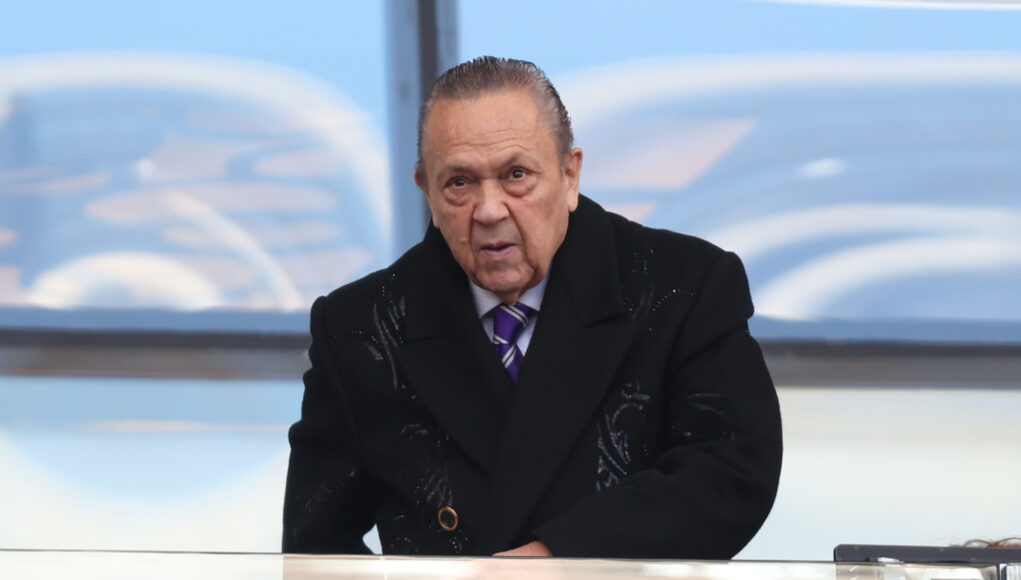
At the heart of the situation is co-owner David Sullivan, whose long-standing influence over recruitment decisions continues to define how the club operates.
Any potential appointment of a Director of Football would require a redistribution of control—something West Ham have historically struggled to implement in practice. Previous figures brought into similar roles, including Tim Steidten, Mario Husillos, and Gianluca Nani, have all come and gone without establishing a stable, lasting football structure.
The pattern has remained consistent: moments of reform are announced or suggested, but decision-making power ultimately remains concentrated at the top, limiting the effectiveness of any incoming specialist.
Reports suggest that Sullivan would need to be willing to step back from certain aspects of recruitment for the new structure to work. But that remains the key uncertainty, and one that has repeatedly stalled progress in the past.
Recruitment history highlights long-term issues
West Ham’s transfer strategy has often been described as reactive rather than strategic. Deals have frequently been influenced by short-term availability, opportunistic signings, or last-minute negotiations, rather than a fully integrated scouting and planning system.
While the club has enjoyed individual successes in the transfer market, inconsistency has remained a defining issue. Squads have often lacked balance, managers have worked within restrictive frameworks, and long-term planning has rarely been fully coherent.
For many supporters, this inconsistency is seen as one of the major reasons the club has failed to establish sustained progress at the top end of the Premier League table, despite moments of achievement, including European success in recent years.
A cycle West Ham fans know too well
Perhaps the most frustrating element for supporters is the repetition of the cycle. Each time structural change is discussed, it is presented as a step toward modernisation and stability. Yet each time, implementation stalls or evolves into something less substantial than originally intended.
Even the timing of the latest discussions raises concern. If major structural changes are only finalised at the end of the season, West Ham risk entering the summer transfer window without clear leadership in place—something that has hampered previous recruitment periods.
In a modern football environment, planning is continuous. Recruitment, scouting, and negotiations are long-term processes that require stability and early coordination. Any delay in establishing that structure could place the club at a disadvantage before business even begins.
Fans demand more than promises
For West Ham supporters, the core issue is no longer about whether change is needed—that point has long been accepted. Instead, attention has shifted to whether the leadership is genuinely prepared to implement and sustain that change.
The frustration stems not just from underperformance or inconsistency, but from the perception that structural reform is repeatedly discussed without being fully delivered.
Calls for clearer governance, defined roles, and a consistent footballing identity have grown louder, especially as rival clubs continue to evolve with more modern recruitment and management models.
Another decisive summer ahead
As things stand, West Ham appear to be heading into yet another pivotal summer window defined by uncertainty. The potential appointment of a Director of Football could represent a significant shift—but only if it comes with genuine authority and long-term commitment.
Until then, the club remains in a familiar position: aware of what needs to change, but still uncertain about whether it will actually happen.
And for a fanbase that has heard it all before, belief will only come when action finally follows words.