The San Antonio Spurs are back in a place that once felt permanent: the top tier of the NBA. But this time, it doesn’t just feel like a good season—it feels eerily familiar.
A 62–20 record isn’t just impressive; it’s symbolic. The last time the Spurs hit that mark was during the 2013–14 season, when they capped off one of the most beautiful campaigns in league history with an NBA championship. Now, over a decade later, that same number has resurfaced—and with it, a wave of déjà vu that’s hard to ignore.
Echoes of 2014
That championship team, led by legends like Tim Duncan, Tony Parker, and Manu Ginóbili, wasn’t built on star dominance alone. It thrived on selflessness, precision, and a near-perfect commitment to team basketball.
This current Spurs squad mirrors that identity in striking ways.
Seven players averaging double figures. Top-10 rankings in both assists and offensive rating. A system that prioritizes ball movement over isolation. These aren’t just stats—they’re fingerprints of classic Spurs basketball.
Even the bench tells a familiar story. While the 2014 team dominated the league in bench scoring, this year’s group still ranks among the better second units, with Keldon Johnson emerging as a legitimate Sixth Man of the Year contender—much like Ginóbili did in his time.
Same Blueprint, Different Timeline
Yet, for all the similarities, the context couldn’t be more different.
The 2014 Spurs were a closing chapter—a final, graceful act from a dynasty nearing its end. Their stars were seasoned, their legacy secure. That championship was less about proving something new and more about affirming everything they had already built.
This version of the Spurs? They’re just getting started.
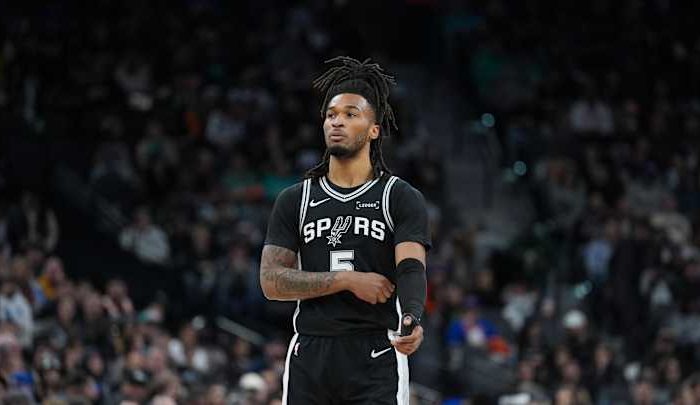
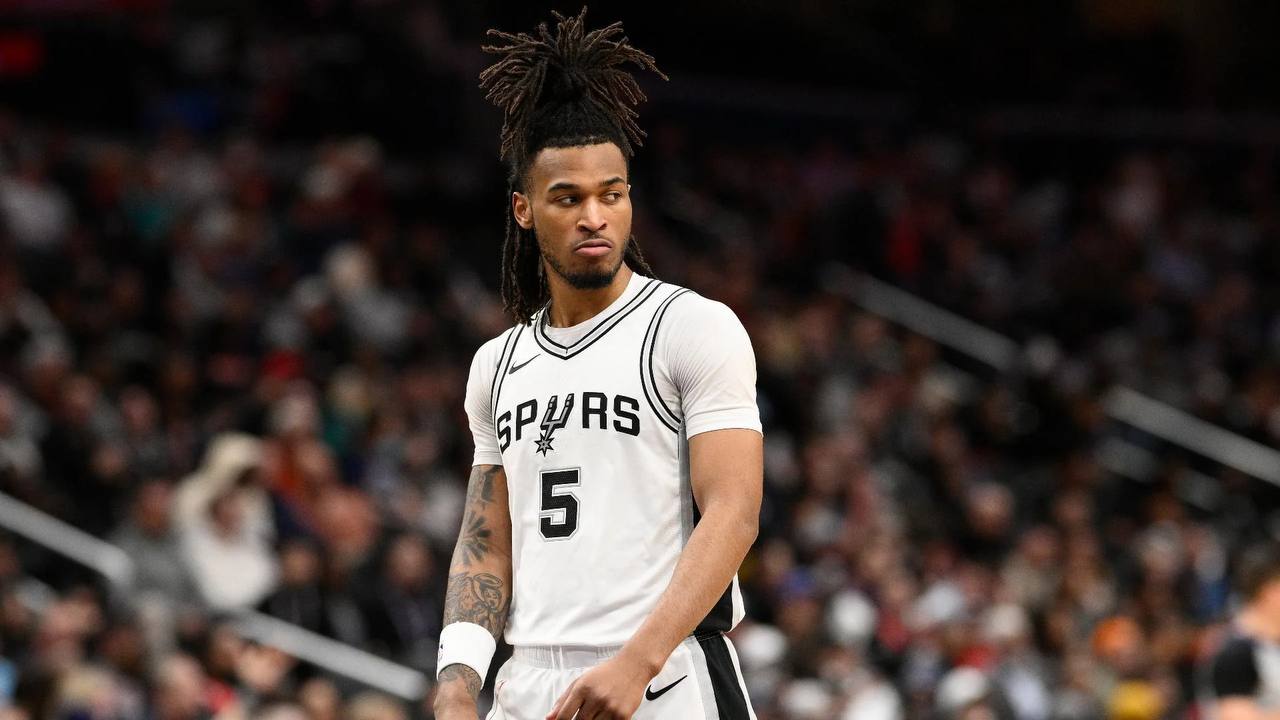
At the center of it all is Victor Wembanyama, a generational talent already pushing into MVP conversations. Around him, a young and dynamic core is taking shape. Stephon Castle has emerged as a two-way force, while Dylan Harper continues to carve out one of the most intriguing rookie seasons in recent memory.
Unlike their predecessors, this group isn’t chasing legacy—they’re building one.
More Than Just a Number
It’s easy to dismiss the 62-win parallel as coincidence. After all, the NBA is a different league now, with different challenges and a new generation of stars. But in sports, patterns matter—not because they guarantee outcomes, but because they reveal identity.
And this Spurs team has rediscovered its identity.
They play the right way. They trust each other. They win consistently. Those are the traits that defined San Antonio at its peak—and they’re back on full display.
Whether this season ends with a championship remains to be seen. The postseason will ultimately decide how real this resurgence is. But one thing is already clear:
The Spurs aren’t just good again—they’re recognizable again.
And that might be the most dangerous omen of all.