The Toronto Raptors’ 2026 postseason journey ended in a grueling seven-game battle against the Cleveland Cavaliers, but the biggest takeaway wasn’t the final score. Instead, it was the glaring realization that the Brandon Ingram experiment has reached a definitive, disappointing conclusion. As the front office looks toward a future built around Scottie Barnes, the “All-Star fit” that looked good on paper has proven to be a disaster on the hardwood.
Here is why the Raptors are expected to move on from the All-Star forward this offseason.
1. The Playoff Disappearing Act
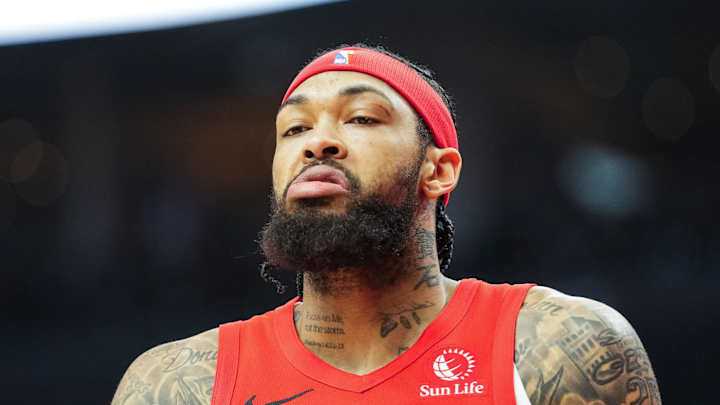
Regular season scoring is a luxury, but playoff production is a necessity. For the second time in his career, Ingram struggled to translate his offensive game to the postseason stage. Averaging a meager 12.0 points on 32.8% shooting across five games, Ingram was largely a non-factor when the lights were brightest.
Perhaps more telling was the team’s performance in his absence. When a heel injury sidelined Ingram for the final two games of the series, the Raptors didn’t crumble; instead, they played with a fluidity and pace that was noticeably absent when Ingram was over-dribbling in the half-court.
2. A Clash of Styles
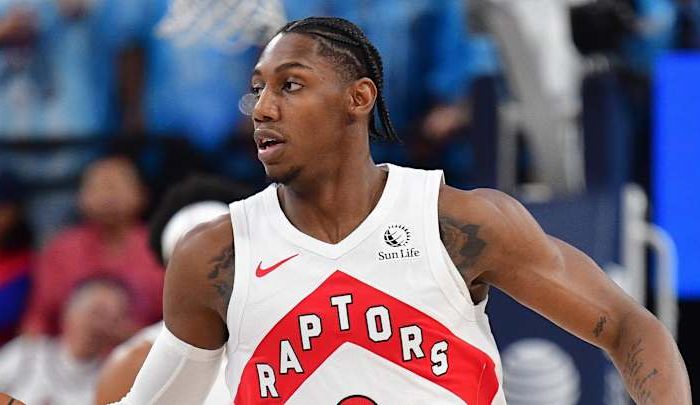
The Raptors have a clear identity: they want to play fast, utilize their length, and lean into the versatile athleticism of Scottie Barnes and RJ Barrett. Ingram, conversely, thrives in a slow-burn, isolation-heavy environment.
This “identity crisis” became the story of the series. While Barnes (24) and Barrett (25) are entering their athletic primes and looking to push the tempo, Ingram’s tendency to stall the ball created a stagnant offense that was easy for Cleveland to defend. To maximize Barnes’ superstar trajectory, Toronto needs high-volume shooters and quick decision-makers—traits that simply don’t align with Ingram’s current playstyle.
3. The Financial Burden of the “Number Two”
Ingram is set to earn $40 million in the 2026-27 season, with a player option exceeding $41 million the following year. For a team that exited in the first round, tying up that much cap space in a player who struggled to crack the rotation’s top three scoring options is a tough pill to swallow.
With Immanuel Quickley’s future also in question after missing the playoffs due to injury, the Raptors’ front office must prioritize depth and shooting. Ingram’s massive contract, while difficult to move, represents the “key ingredient” in any potential trade that could bring back multiple pieces who actually fit the Barnes era.
The Verdict: A Necessary Split
Toronto can no longer afford to be “happy just making the playoffs.” The 2026 exit proved that while the Raptors have a foundational superstar in Scottie Barnes, the supporting cast is a jigsaw puzzle with several missing pieces—and one very expensive piece that doesn’t fit the board.
Trading Ingram this summer isn’t just a suggestion; it’s a requirement for a franchise that wants to move from “scrappy underdog” to legitimate Eastern Conference contender. As the offseason looms, the question isn’t if the Raptors will trade Ingram, but where they can find a partner to help them reset the roster around their true franchise cornerstones.