The Toronto Raptors’ 2025-26 season ended with a “sting” in a grueling seven-game battle against the Cleveland Cavaliers. While the exit was painful, it marked a significant milestone: a 16-win improvement, a return to the postseason, and the emergence of the youngest core in the 2026 playoffs.
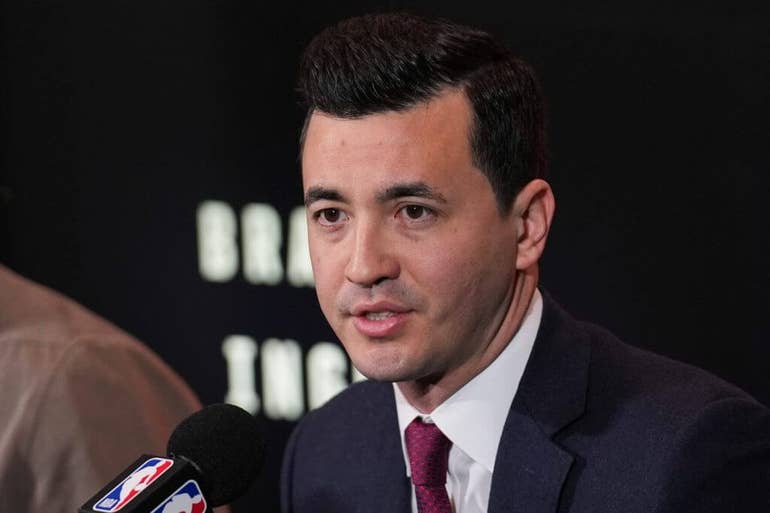
Now, as the smoke clears, General Manager Bobby Webster is facing his first full offseason as the undisputed lead executive. His message? Patience over panic. Despite the urge to “swing big” after a playoff taste, Webster is signaling a summer of incremental gains, defensive doubling-down, and financial pragmatism.
The “No Overindexing” Rule
Head coach Darko Rajaković may believe one playoff game is worth ten regular-season ones for player development, but Webster is wary of letting a two-week stretch dictate the next four years of franchise history.
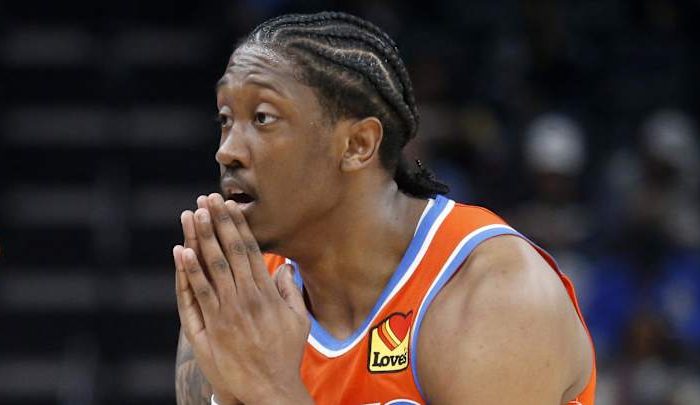
”I’m not gonna overindex on it,” Webster said during his end-of-season address. While the Raptors pushed Cleveland to the brink without a healthy Immanuel Quickley or Brandon Ingram, Webster views the series as “illustrative” rather than a final verdict on the roster’s ceiling.
A Top-Five Defensive Vision
If you want to know what the 2026-27 Raptors will look like, look at the wings. Webster highlighted the “special” defensive pairing of Scottie Barnes and standout rookie Collin Murray-Boyles.
”What do you surround them with? You could surround them with more defense. We’re going to focus on the strength of those two… and maybe making the top-five defense an even better defense.”
While Coach Rajaković has publicly called for more shooting and paint protection, Webster’s comments suggest a “lean-in” strategy. Rather than hunting for offensive specialists that might compromise the team’s identity, Toronto appears set on building a defensive juggernaut that wins through disruption and versatility.
The Financial Tightrope
The primary hurdle for Webster isn’t a lack of vision; it’s the ledger. The Raptors are currently tethered to three major contracts that limit their maneuverability:
- Brandon Ingram: Underperformed in the playoffs and holds a 2027-28 player option.
- Immanuel Quickley & Jakob Poeltl: Seen as high-level starters, but currently hold limited trade value relative to their cap hits.
- RJ Barrett: The bright spot of the playoffs. While eligible for an extension, Webster hinted that the team may wait until the end of next season to commit long-term, keeping Barrett as a flexible trade asset in the meantime.
With the team well over the salary cap, Webster’s “opportunism” will likely be limited to the 19th overall pick in the upcoming draft and various mid-level exceptions.
Contender or Respectable?
Webster’s approach is a stark contrast to the “All-In” philosophy often seen in modern front offices. By retaining all of their future first-round picks, the Raptors are positioned to strike if a disgruntled superstar becomes available, but they aren’t going to manufacture a “big move” for the sake of optics.
”We need to win all of our trades; we need to pick the right player,” Webster noted. For now, the Raptors are choosing to grow from within, betting that a year of playoff experience for Barnes and Murray-Boyles is more valuable than a desperate dip into a restricted free-agent market.
Offseason Watch: Keep an eye on the 19th pick. Webster has a history of finding rotation value in the late first round, and with the need for low-cost bench depth at an all-time high, this selection could be the Raptors’ most impactful move of the summer.