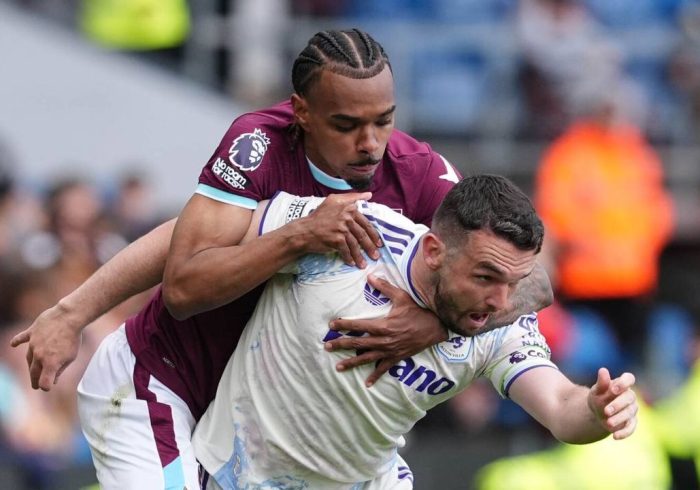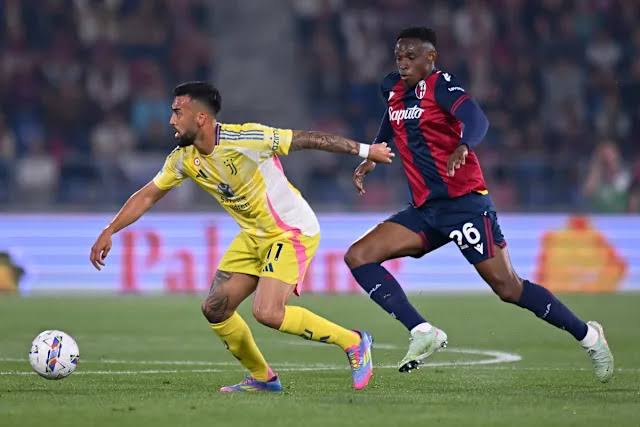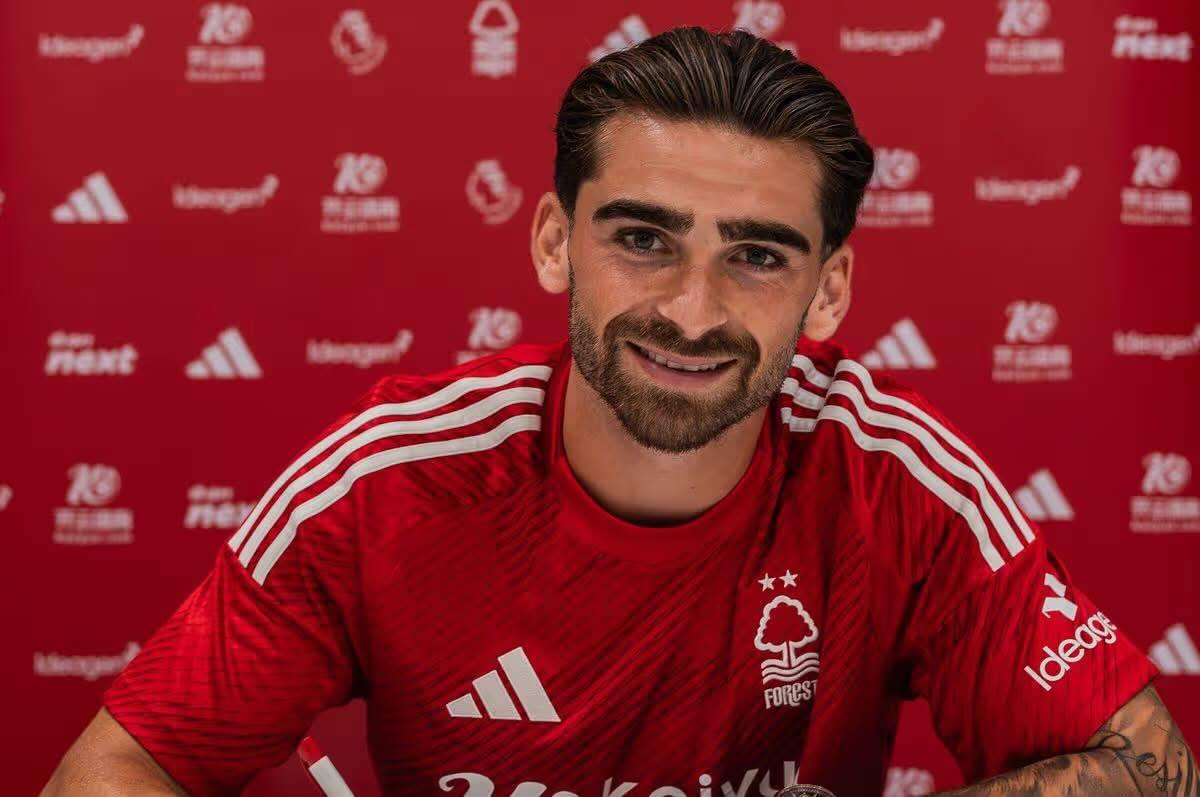
As Nottingham Forest prepare for another crucial summer of squad planning, one of the club’s most intriguing decisions concerns Portuguese winger Jota Silva. Less than two years after arriving from Vitória Guimarães, the 26-year-old finds himself at a crossroads in his Forest career following a season-long loan spell at Beşiktaş.
The question facing Forest’s recruitment team is simple: should they reintegrate Jota Silva into the first-team squad, cash in on him permanently, or send him out on another loan?
How Did We Get Here?
Forest signed Jota Silva in August 2024 for an initial fee reported at around €7 million, with potential add-ons increasing the value of the deal. The Portuguese international arrived after an impressive spell at Vitória Guimarães, where his energetic style, goal threat, and relentless work rate earned widespread praise. (The Guardian)
His first season at the City Ground was respectable rather than spectacular. Silva made 38 appearances across all competitions, contributing four goals and three assists. While those numbers were not poor for a debut Premier League campaign, they were not enough to establish him as an undisputed starter. (BBC)
With Forest strengthening their attacking options and Silva finding opportunities increasingly limited, the club opted to loan him to Beşiktaş for the 2025-26 season. The Turkish side agreed to pay a loan fee and secured an option to buy at the end of the campaign. (BBC)
The Case for Bringing Him Back
There are legitimate reasons why Forest should consider giving Silva another opportunity.
Firstly, he possesses qualities that cannot be measured solely by goals and assists. Silva is an aggressive presser, works tirelessly without the ball, and offers tactical flexibility across multiple attacking positions. In modern football, managers increasingly value players who can execute a system rather than simply produce statistics.
Secondly, Forest’s squad depth will be tested if the club continues competing across multiple competitions. Silva has already demonstrated that he can handle the physical demands of English football and does not require an adaptation period.
At 26, he is also entering what should be the prime years of his career. Forest invested in him because they believed his ceiling was higher than what he showed during his first season. One difficult year should not automatically end that belief.
The Case for Selling
However, football decisions are rarely sentimental.
The strongest argument for a permanent sale is that Forest may have already seen Silva’s maximum level in the Premier League. While hardworking and committed, he struggled to consistently influence matches against elite opposition and was unable to secure a regular starting role.
Financially, a sale could make considerable sense. Reports surrounding the Beşiktaş deal suggested a purchase option worth approximately €17 million, significantly above Forest’s initial investment. (Diario AS)
If Forest can generate a substantial profit on a player who is not viewed as a guaranteed starter, the club’s recruitment department may see it as an efficient piece of business. Modern Premier League clubs must constantly balance sporting ambition with sustainability, and selling Silva could free both wages and squad space for a higher-priority target.
Recent reports and fan discussions in Turkey have also suggested uncertainty over whether Beşiktaş will activate their option, but the existence of an established market for the player remains encouraging for Forest should they choose to sell. (Reddit)
The Case for Another Loan
A third option is another temporary move.
On paper, this appears to offer the best of both worlds. Forest would retain ownership of the player while giving him another opportunity to increase his value through regular football.
The problem is that repeated loans often signal indecision.
Silva will turn 27 during the next campaign, and players at that age are usually expected to have a clear long-term home rather than becoming perpetual loan assets.
Unless Forest genuinely believe he can return as a first-team contributor in the future, another loan may simply delay an inevitable sale.
The Verdict
Forest should sell Jota Silva if a suitable offer arrives this summer.
This is not a criticism of the player. Silva has shown professionalism throughout his time at the club and contributed positively whenever called upon. Yet successful squad building requires difficult decisions.
The evidence suggests that he is a useful Premier League squad player rather than a transformational starter. If Forest can recover a fee comfortably above their original investment, they should seize the opportunity and reinvest the proceeds elsewhere.
Bringing him back would be understandable, and another loan remains a viable fallback option. However, from both a footballing and financial perspective, a permanent transfer appears to be the cleanest and most logical solution.
Nottingham Forest’s rise under recent seasons has been built on smart recruitment and decisive planning. In Jota Silva’s case, sentiment should not cloud judgment. If the right bid arrives, Forest should thank him for his service and move forward.