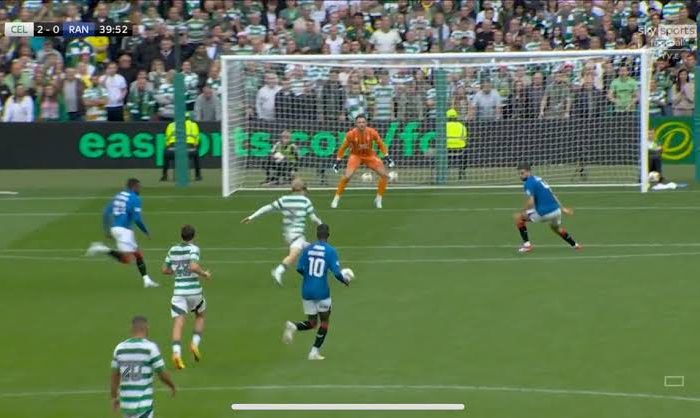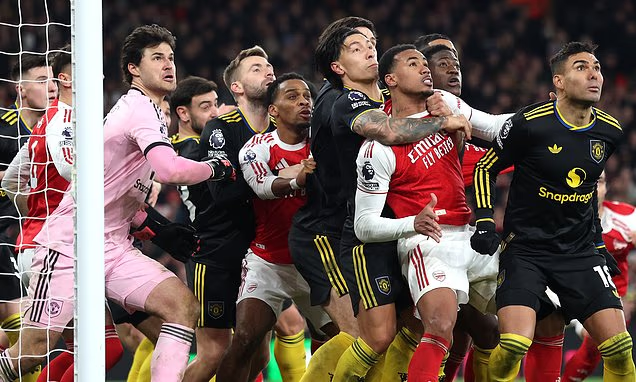
The 2026 World Cup is set to be the most controversial tournament in modern history, and it has nothing to do with the venues or the match-ups. FIFA and the International Football Association Board (IFAB) have just dropped a bombshell set of rule changes that are sending shockwaves through the sport. At the center of the controversy is a new regulation being dubbed the “Anti-Arsenal Law”—a move designed to fundamentally alter how teams defend corner kicks and free kicks.
The “Anti-Arsenal Law” Explained
Set pieces have transformed from simple tactical opportunities into high-stakes chess matches, with physical “blocking” becoming a staple of the modern game. FIFA has officially had enough. Under the new guidelines, players will be strictly penalized for obstructing or preventing an opponent from playing the ball during dead-ball situations.
Drawing inspiration from basketball’s “illegal screen,” the rule forbids players from acting as human shields or blockers to create space for their teammates. Officials are so serious about this that they’ve used an England friendly against Uruguay—specifically a goal scored by Ben White—as the “case study” for what will now be a disallowed goal. In that instance, England players Adam Wharton and Harvey Barnes were seen using physical blocks to free up space, a move that will be strictly forbidden starting in July.
With Arsenal having dominated the Premier League this season by scoring a staggering 25 goals from set-piece situations, the timing of this crackdown feels pointed. If teams don’t adapt, their primary source of offensive production could be wiped out overnight.
A Total Overhaul of the Beautiful Game
The “Anti-Arsenal” law is only the tip of the iceberg. FIFA has introduced a slate of sweeping changes for the World Cup starting June 11, and they are essentially turning the sport into a “no-nonsense” environment:
- The “Silent Confrontation” Rule: Any player caught covering their mouth with a hand, arm, or shirt during a confrontation with an official will now be shown a straight red card. This move comes in the wake of recent high-profile racism storms where players were accused of hiding their words.
- The “Protest Forfeit”: If a team leaves the field of play in protest of a refereeing decision—similar to the chaos seen in the Africa Cup of Nations final—they will be forced to forfeit the match entirely. Individual protesters who step off the pitch will also receive an immediate red card.
- Substitution and Delay Tactics: If you are being substituted, you now have a hard 10-second limit to leave the field. If you fail to comply, your replacement will be barred from entering until the next stoppage after a full minute has passed.
- The “Five-Second” Clock: On all goal kicks and throw-ins, players have exactly five seconds to put the ball back into play. If they fail, the opposition is awarded a corner or a throw-in.
- Injury Management: Teams are no longer allowed to call a “timeout” with their coaches while a goalkeeper is receiving treatment for an injury.
A Gamble or a Necessity?
Critics are already calling these changes a “farce,” arguing that FIFA is stripping away the grit and tactical nuance that makes football compelling. Proponents, however, argue that these rules will finally eliminate the time-wasting and “grappling” that have made modern matches increasingly frustrating to watch.
One thing is certain: when the whistle blows on June 11, the players on the pitch will be operating under a completely different set of laws. The teams that adapt fastest to these rigid time limits and physical restrictions will likely be the ones lifting the trophy. For teams like Arsenal, who have built their identity on the very “blocking” tactics now being outlawed, the World Cup and the upcoming season could be a rude awakening.