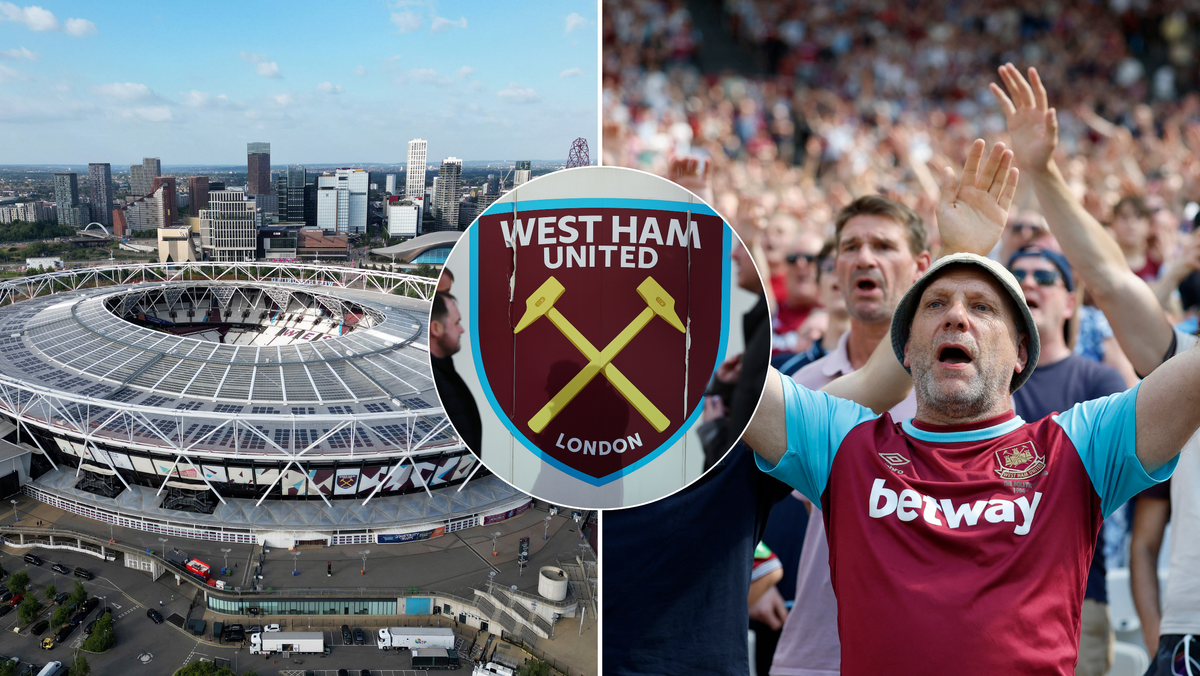
A new era is officially underway at West Ham United. Following David Sullivan’s decision to step down as co-chairman, Czech billionaire Daniel Křetínský has surged to become the club’s largest shareholder. While the summer transfer window promises a significant squad overhaul, Křetínský’s most ambitious project might actually be located off the pitch.
Reports suggest the billionaire is plotting a defining structural change to the London Stadium—one that fans have dreamed of since the club’s move from the Boleyn Ground in 2016: the permanent removal of the running track.
A “No-Brainer” for the Hammers
The atmosphere at the London Stadium has long been a point of contention due to the distance created by the athletics track between the stands and the pitch. Speaking to Football League World, West Ham fan pundit Ryan Horn emphasized just how crucial this move is for the club’s future.
”Removing the running track and bringing the seats closer to the pitch is a no-brainer,” Horn stated. “It’s one of the easiest wins the board can get for the fans. It brings hope that we can finally turn this stadium into our true home.”
Horn believes that by closing the gap and filling the space between the stands, West Ham could transform the stadium into the “world-class football venue” that was promised to supporters a decade ago.
The Challenges Ahead: Is It Possible?
While the fanbase is overwhelmingly in favor of the transformation, the project is far from simple. Křetínský faces several major hurdles:
- Multi-Use Agreements: A condition of the move to the London Stadium was its status as a multi-purpose venue. UK Athletics maintains a long-term agreement to host major events there annually.
- Approval Processes: Despite the club’s majority stake, they would still require significant regulatory and government approval to alter a stadium built with substantial public investment.
- Time and Cost: Remodeling the stadium to bring seats to the pitch level would be a massive, multi-year engineering project requiring a significant financial commitment.
PR Stunt or Real Ambition?
The big question lingering among supporters is whether Křetínský’s plans are a genuine commitment or merely a PR move to build goodwill during a period of transition. If the board fails to secure the necessary approvals or stalls on the development, skepticism regarding the ownership’s long-term vision could quickly return.
For now, the vision is clear: Křetínský wants to cement his legacy by giving West Ham a stadium that feels like a fortress. Whether the politics of the London Stadium allow for such a dramatic makeover remains the multi-million-pound question.