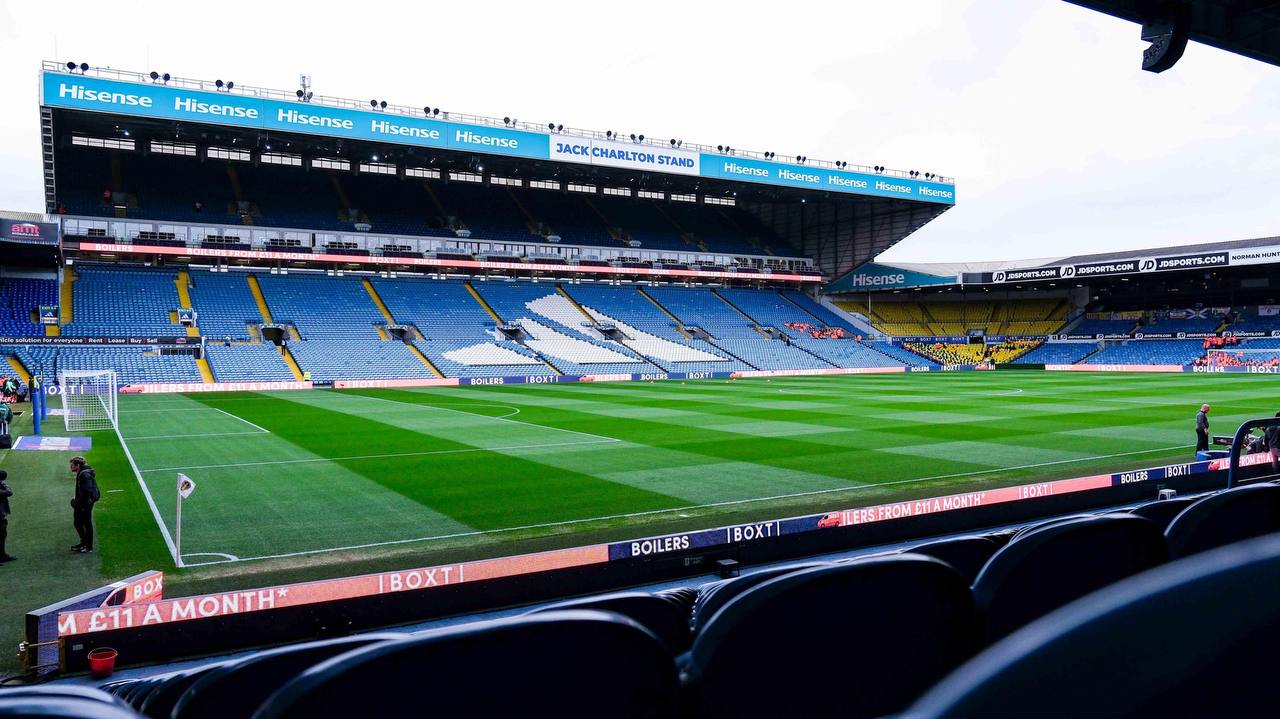
The transformation of Elland Road has officially entered its most ambitious phase yet. As the 49ers ownership continues to plow ahead with their multi-million-pound vision to turn Leeds United’s historic home into a world-class, UEFA Category 4 stadium, the club has taken a strategic step to ensure the project stays on schedule.
In a move designed to buy critical time for construction crews, Leeds United has officially requested—and been granted—permission from the Premier League to begin their 2026/27 campaign with an away fixture.
The “Away-First” Strategy: Maximizing Construction Efficiency
With the redevelopment of the iconic West Stand well underway, the club is operating under a tight construction window. Since the final whistle blew on their home clash against Brighton, the stadium has been a hive of activity. Iconic landmarks, including the old floodlights, the banqueting suite, the historic ticket office, and the LUTV studio, have already been demolished to clear the path for the expansion.
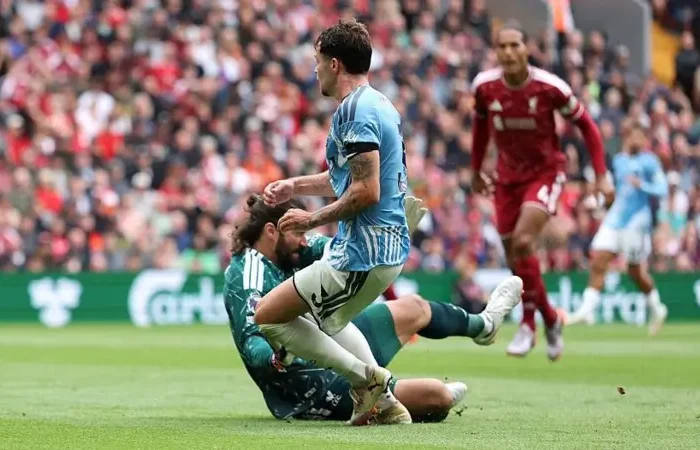
By securing an opening-day away trip to Nottingham Forest, the 49ers have successfully carved out an extra week of uninterrupted site access. This is vital. Without thousands of supporters swarming the concourses, construction teams can accelerate the work required on the West Stand, ensuring that the stadium is safe and ready for the first home game of the season against Brentford on August 29.
This is not just about aesthetics; it is a foundational part of the club’s long-term master plan. With £150 million already poured into the project and a goal of expanding capacity to 53,000 seats by 2030, the ownership is clearly signaling that they are building for a future of sustained Premier League relevance.
The £150 Million Question: Does This Impact Transfers?
The elephant in the room for any passionate Leeds fan is simple: Does this massive infrastructure spend cannibalize the budget for new signings?
In an era where “Squad Cost Ratio” (SCR) rules tighten the financial leash on clubs, concerns over spending power are legitimate. However, the club has moved quickly to silence the alarm bells. Insiders, including Adam Pope, have confirmed that the Elland Road development is being managed independently of the first-team transfer budget.
The 49ers ownership remains steadfast in their commitment to Daniel Farke’s squad. While the SCR rules admittedly force a more “cautious approach” to the market, the club’s active pursuit of high-profile targets—including the likes of Julian Brandt, Shea Charles, and Harry Wilson—proves that the ambition to climb the league table has not been sidelined by the cranes and diggers outside the stadium.
Building for the Future
For the loyal faithful at Elland Road, this summer represents a strange but necessary period of transition. While the West Stand will be closed for pre-season friendlies and the landscape of the stadium is changing daily, the end goal is clear. The club is moving toward a future where Leeds United is not just a participant in the Premier League, but a powerhouse with the infrastructure to match the intensity of its fanbase.
The 49ers are betting big on Leeds. By managing the stadium development alongside a sharp, targeted transfer strategy, the ownership is attempting to perform a delicate balancing act. If they succeed, the 2026/27 season will be remembered not just for what happened on the pitch, but for the moment Elland Road finally evolved into the elite fortress it was always meant to be.