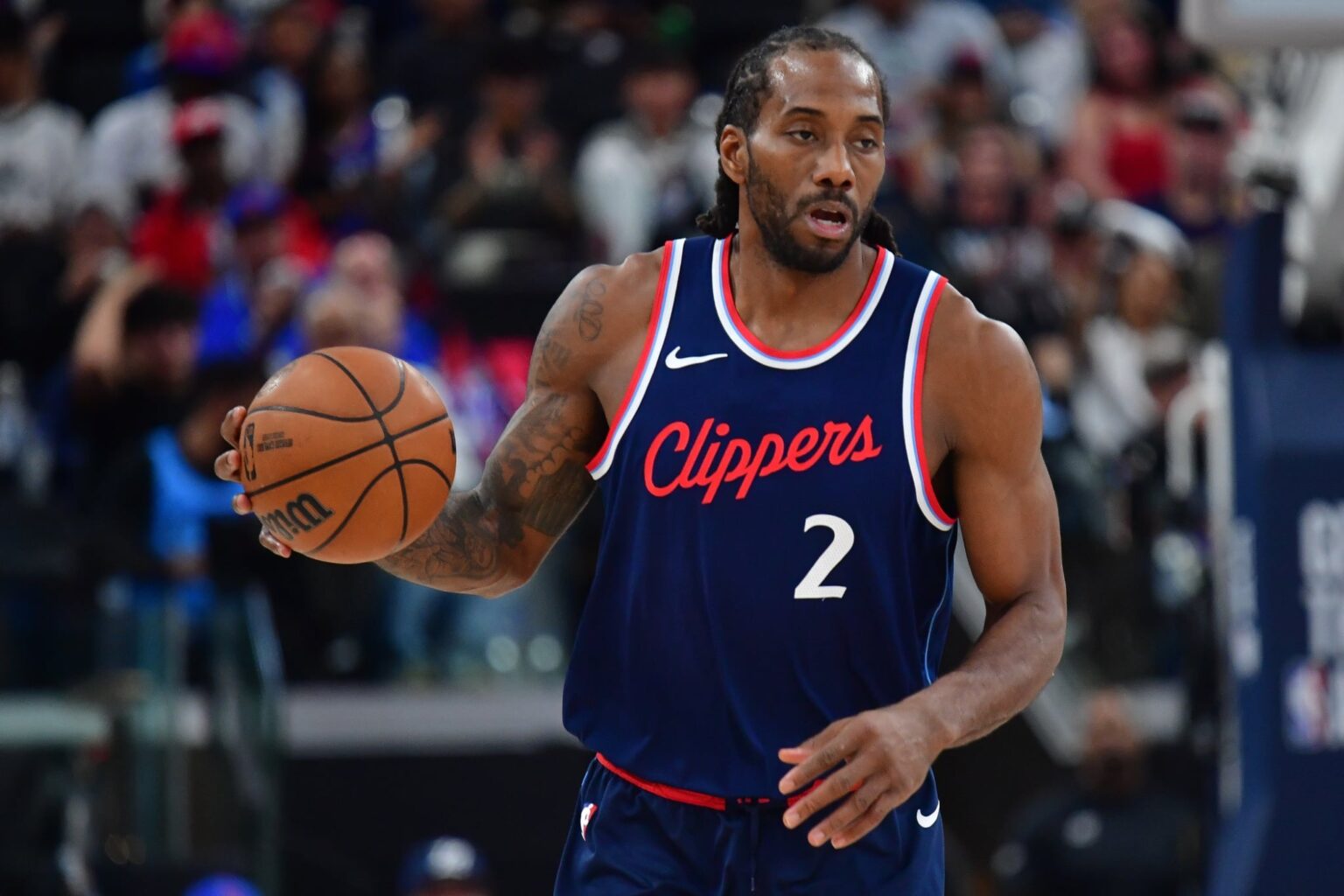
The NBA rumor mill is spinning, and it’s resurrecting a storyline that sounds straight out of a fan-fiction script: Kawhi Leonard back in a Toronto Raptors jersey. While the idea of a reunion was dismissed as pure nostalgia just a week ago, recent reports suggest this blockbuster move is rapidly gaining traction as a genuine, calculated strategic play.
According to insider reports, Leonard is specifically eyeing only two destinations for a long-term extension outside of his current home with the Los Angeles Clippers: the San Antonio Spurs and the Toronto Raptors. This isn’t just about a one-year “fun” reunion; it is about securing a cornerstone veteran to push a rising team over the top. While the Spurs offer an intriguing partnership with Victor Wembanyama, the “ugly” history from Leonard’s departure there makes the Raptors the far more logical and emotionally resonant landing spot.
The Landscape: Why Now?
The Raptors are currently in a precarious “good, not great” phase. Finishing fifth in the East and bowing out in a grueling seven-game first-round series against the Cavaliers proved that they have talent—led by the emergence of Scottie Barnes, Brandon Ingram, and Immanuel Quickley—but they lack a true playoff killer.
In the modern Eastern Conference, where heavyweights like the Celtics and a Giannis-led Heat squad dominate, the Raptors need more than just solid depth. They need a proven closer. Despite his age and injury history, Leonard remains a top-tier superstar, averaging 27.9 points on elite shooting splits last season. When healthy, he is the exact type of “playoff assassin” that Toronto’s current roster is missing.
The Blueprint: A Balanced Trade Package
To make this work without gutting their future, the Raptors must navigate a delicate financial path. A realistic blockbuster scenario would look like this:
- Toronto Receives: Kawhi Leonard
- LA Clippers Receive: RJ Barrett, Jakob Poeltl, Ja’Kobe Walter, a 2027 first-round pick, a 2029 first-round pick, and a 2031 pick swap.
This deal serves both parties. The Raptors keep their foundational core—Barnes, Ingram, and Quickley—ensuring they have the supporting cast necessary to compete immediately. By moving Barrett and Poeltl, the Raptors clear the necessary cap space to absorb Leonard’s $50.3 million salary while retaining the flexibility to address the resulting void at the center position.
For the Clippers, the move signals a shift toward a younger, faster era centered around Darius Garland and rookie sensation Keaton Wagler. Barrett provides them with a high-scoring 26-year-old wing who fits their new timeline, while the draft capital allows them to finally reset after years of aggressive, “all-in” spending.
The Risks and the Reward
Make no mistake: this is a high-stakes gamble. At 35, Leonard’s durability is the biggest question mark. The Raptors cannot afford to surrender valuable assets only to watch their star miss significant time. Furthermore, any deal would be contingent on a pre-agreed contract extension; the Raptors have no interest in a one-year rental, even if they know the magic of 2019 firsthand.
Yet, for a team that is already winning 46 games, adding Leonard is a transformative move. He allows Scottie Barnes to continue his development as the primary connector and playmaker while Leonard handles the high-pressure, late-game buckets that ultimately decide championships.
The Raptors aren’t far from being true contenders, but they are stuck in the middle. Swapping out role players for a two-time Finals MVP is exactly the kind of “swing for the fences” move that defines championship franchises. If the medicals check out and the deal makes sense, Toronto isn’t just looking back at the past—they’re looking at a legitimate path to another title.
Stay tuned as this high-profile saga unfolds. Is Toronto ready to go all-in once more?