The dust is finally beginning to settle on the 2026 FIFA World Cup Round of 16 thriller between England and Mexico, but the firestorm surrounding the officiating shows no sign of cooling down. England’s 3-2 victory at the Estadio Azteca was an instant classic, packed with world-class goals from Jude Bellingham and Harry Kane, but the post-match discourse has been hijacked by a swirling vortex of anger, debate, and unsubstantiated rumors regarding the referee’s performance.
The “Huge Mistake” Narrative
Within minutes of the final whistle, the internet was ablaze with claims that FIFA had issued an official admission of a “huge mistake” regarding the refereeing decisions during the match. These rumors, which have gained incredible traction across social media, suggest that the officials effectively cost Mexico a path to the quarterfinals.
Let’s be clear: There has been no official confirmation from FIFA that the referee made a “huge mistake.”
While refereeing performances are standardly reviewed internally by FIFA’s technical committee, those assessments are private and are almost never released in the immediate aftermath of a game. Despite the viral claims circulating online, FIFA has not released a statement admitting that the decisive calls were incorrect. The controversy, which has turned Mexico’s sporting social media into a battlefield, appears to be a mix of fan frustration, deep-seated bias, and the inevitable reaction to a game that featured a red card, multiple VAR interventions, and two high-stakes penalty decisions.
Inside the Storm: A Match of Margins
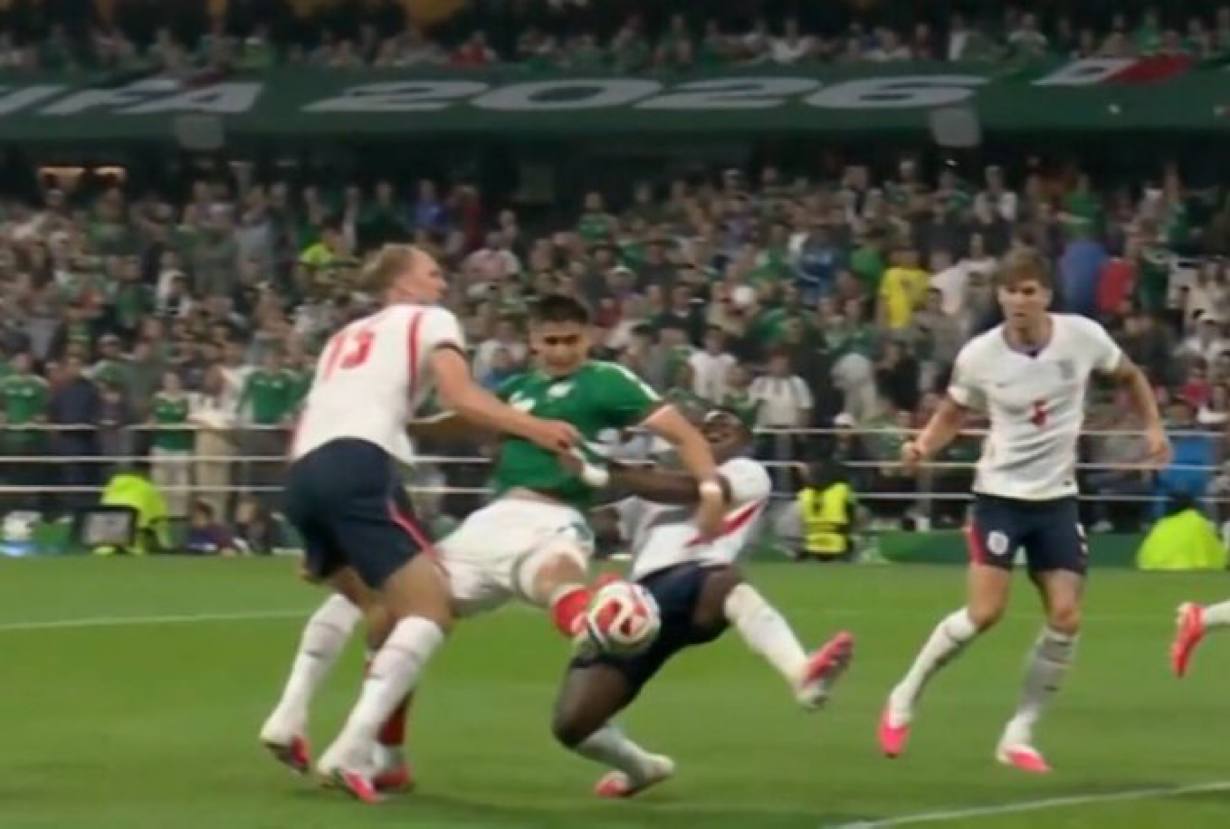
The match was always going to be a pressure cooker. England, playing away from home, faced an 80,000-strong, hostile Mexican crowd and the physiological challenge of the altitude. When Jarell Quansah was shown a straight red card following a VAR review, the narrative shifted from a tactical battle to a test of endurance.
Supporters on both sides have spent the last 24 hours meticulously analyzing frame-by-frame replays. Mexican fans point to the red card and the penalty awarded to England as “match-altering” errors, while English supporters—and even manager Thomas Tuchel—have publicly voiced their own frustrations with the consistency of the officiating. Tuchel’s post-match comments, which were uncharacteristically critical of the referee, only added fuel to the fire, giving credence to the idea that both sides felt aggrieved by the inconsistencies on the pitch.
The Official Response
Amidst the digital vitriol, the Mexican football authorities were forced to step in, issuing a public statement that prioritized the dignity of the game. Rather than leaning into the conspiracy theories, the federation called for calm, urging fans to respect the officials and the difficulty of the task they face. It was a measured, professional response aimed at de-escalating a situation that had threatened to boil over into genuine hostility.
Why the Debate Won’t End
The reason this match has become the most “talked-about” contest of the 2026 tournament isn’t just because of the goals; it’s because it perfectly encapsulates the modern footballing dilemma. We have a sport that demands human perfection from officials, yet relies on VAR, which continues to spark debate over “clear and obvious” thresholds.
Whether the referee was “courageous” for making those massive calls under the shadow of the Azteca or “inconsistent” for his reliance on the video screen, the match will be remembered as a flashpoint for refereeing standards in this World Cup. As England looks ahead to their quarter-final clash with Norway, the Mexican side is left to grapple with what might have been.
One thing is certain: while FIFA might remain tight-lipped, the fans will not. Every major call, every VAR check, and every card will be analyzed and debated long after the tournament trophy is lifted. For now, the “official” word is that the match stands. But in the court of public opinion, the refereeing in England-Mexico has already been tried, sentenced, and will be debated for years to come.