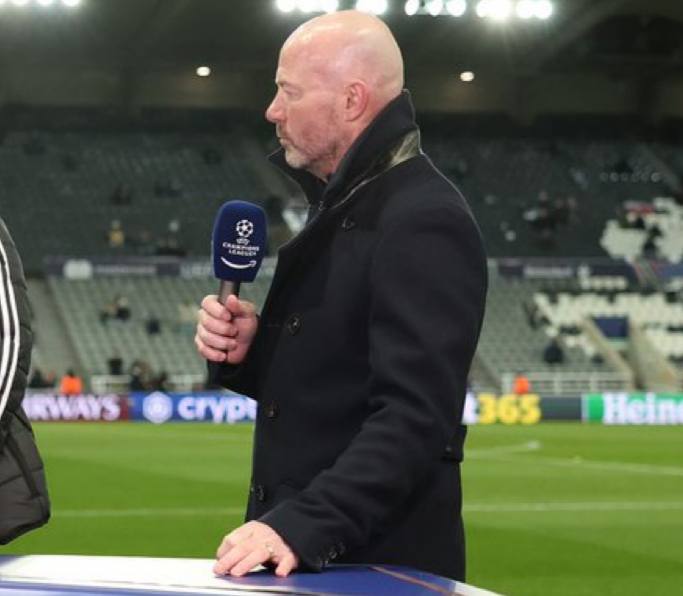
Leeds United may have celebrated a hard-fought victory over Sunderland, but the performance of one player has continued to spark debate after the final whistle. While the result provided another encouraging sign for Daniel Farke’s side, former England striker Alan Shearer suggested that not every individual display matched the team’s overall success.
The victory offered Leeds another positive step as they continue building momentum ahead of the new campaign. Winning matches during pre-season and early competitive fixtures is always valuable, particularly for a team looking to establish consistency under Farke. However, Shearer’s assessment highlighted that positive results do not automatically erase concerns about individual performances.
According to the former Newcastle United forward, one Leeds player struggled to impose himself on the game despite the team’s success. Shearer reportedly pointed to a lack of influence in key moments, suggesting the player failed to make the most of opportunities to impact the contest. While the victory ensured the criticism did not overshadow the result, his comments have added another talking point among supporters.
Football analysts often stress that performances should be judged separately from results. A team can secure three points while still leaving room for improvement, especially when preparing for the demands of a long season. Shearer’s observations reflected that viewpoint, arguing that Leeds will need consistently high standards from every member of the squad if they are to achieve their objectives.
For Daniel Farke, squad competition remains an important part of his plans. Every player is expected to fight for a starting place, and performances in each match can influence selection decisions going forward. Constructive criticism from pundits is nothing new in football, and players are frequently challenged to respond positively when their displays come under scrutiny.
Despite the attention surrounding Shearer’s remarks, there were still several positives for Leeds to take from the game. Defensively, the team showed discipline and resilience, while the overall structure appeared well organised throughout the contest. The victory also demonstrated the growing confidence within the squad as preparations continue.
Supporters are likely to have differing opinions on Shearer’s assessment. Some may agree that certain players need to raise their level, while others will argue that the most important takeaway was securing the win. Such debates are common, particularly at clubs with high expectations and passionate fan bases.
As Leeds continue their preparations, Farke’s focus will almost certainly remain on improving both individual and collective performances. A single result rarely defines a season, but maintaining high standards across the squad will be crucial if the club hopes to compete successfully over the months ahead.
Ultimately, Shearer’s comments serve as a reminder that victories do not always silence criticism. Analysts and former players often look beyond the scoreline to evaluate how individuals perform under pressure, and those assessments can generate as much discussion as the result itself. For the player involved, the best response will be to deliver stronger performances in the coming matches and help Leeds build on their positive start.