While the basketball world continues to wait on tenterhooks for an official resolution regarding the blockbuster Kawhi Leonard trade saga, the unveiling of the NBA’s 2026/27 regular-season schedule has provided fans with plenty of concrete details to dissect. Among the most anticipated dates on the calendar is a spicy early-season matchup against the Los Angeles Clippers in Southern California on November 2—a game that also marks Toronto’s very first back-to-back set of the year.
When the league-wide fixtures dropped, analysts quickly pointed out that the Toronto Raptors have been handed 15 back-to-back sets for the upcoming campaign. Sitting slightly above the league average of 14.2, that number initially sounds alarming for a franchise looking to carefully balance player health and high-octane competitive ambitions.
However, a closer look at the travel logistics, opponent matchups, and strategic resting windows reveals a massive silver lining: the Raptors may have just dodged a bullet.
Managing the Load: The Kawhi Leonard and Jakob Poeltl Factor
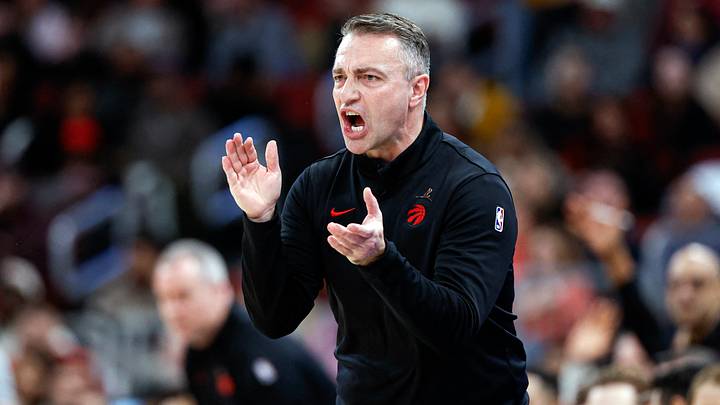
Ensuring star health is paramount for head coach Darko Rajakovic. Assuming the pending Kawhi Leonard trade crosses the finish line, keeping the multi-time champion fresh for a deep postseason push will be the medical staff’s top priority. Furthermore, a glaring lack of depth at the center position means that keeping starting big man Jakob Poeltl healthy and upright is equally crucial.
Both players carry extensive injury histories, meaning the coaching staff will likely look to selectively rest them during grueling stretches. Interestingly, Leonard proved last season that he is more than capable of grinding through heavy workloads, playing both games in nine of the Clippers’ fifteen back-to-backs. Poeltl, by contrast, suited up for both games of a back-to-back just three times.
Fortunately, the structure of Toronto’s schedule makes load management significantly easier to execute without totally sacrificing their competitive edge.
A Surprisingly Gentle Travel and Opponent Breakdown
At first glance, 15 back-to-backs feel grueling. But dig into the specifics, and the travel strain is remarkably forgiving:
- Zero Travel Perks: Five of Toronto’s back-to-backs take place entirely at home. Moreover, specific sets—such as the pairing against the Miami Heat, or the cross-city battle facing both the Los Angeles Lakers and the LA Clippers—require zero additional travel miles.
- Conference Balance: Only two back-to-back sets involve matching up against opponents from different conferences, drastically reducing coast-to-coast fatigue.
Even when facing elite contenders, the scheduling gods threw Toronto a few major bones. While November features a notoriously tough back-to-back against the Boston Celtics and Philadelphia 76ers, both Boston and Detroit will actually be facing the Raptors on the second night of their own grueling back-to-back sequences.
Furthermore, high-profile fixtures against heavyweights like the New York Knicks or Indiana Pacers are smartly buffered by matchups against middle-of-the-pack or rebuilding squads. For instance, a January showdown with the Knicks is preceded by a softer game against the Chicago Bulls, while a March back-to-back opens with the Pacers before wrapping up against the Sacramento Kings.
Ready for the Grind
Navigating 15 back-to-backs is never a walk in the park, especially for a roster leaning heavily on veterans who require careful minute monitoring. Yet, when broken down game-by-game, Toronto’s travel load is surprisingly gentle, and the strategic placement of opponents offers natural resting opportunities.
If the front office finalizes the roster puzzle and the squad executes out of the gate, these manageable back-to-backs could provide the exact breathing room the Raptors need to stay fresh, healthy, and dangerous all season long.