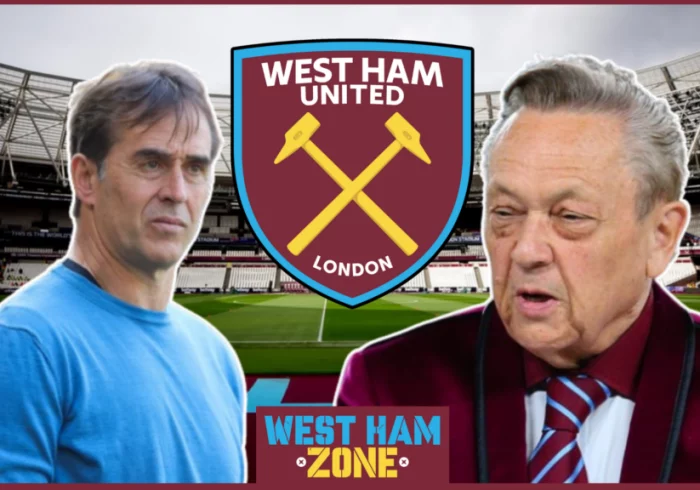
Daniel Kretinsky just landed a major boardroom victory — but buried in the fine print are six genuine paths that could still hand West Ham to Amanda Staveley
West Ham’s ownership saga has produced a fresh twist, and on the surface, it looks like a decisive win for one man. But dig deeper, and the picture is far messier — and far more fascinating — than it first appears.
The Headline Result: Kretinsky Comes Out on Top
Amanda Staveley’s agreed deal to buy Vanessa Gold’s 25.1% stake has effectively been blocked, after existing shareholders exercised their pre-emption rights. According to BBC Sport, Daniel Křetínský will now rise to a commanding 46% stake, while David Sullivan edges up to roughly 40%, and Tripp Smith increases to 11%.
Sources close to the process suggest there’s now unlikely to be a route back into that specific deal for Staveley’s consortium — a genuine setback for her ambitions.
Why Sullivan’s Increase Isn’t What It Looks Like
Here’s the twist: Sullivan didn’t simply grab a bigger slice of power. He initially purchased around 13% of the available shares for £77.7 million, before selling a chunk of that back into the ownership structure — specifically to Křetínský, which is exactly how the Czech billionaire climbed to 46%. Sullivan’s actual net gain works out to just 1.2 percentage points, and crucially, he won’t be returning to the board or taking any operational role.
So Why Is Sullivan Holding Onto 40%?
This is where things get genuinely interesting, with several plausible explanations in play:
He could simply be protecting his investment — waiting for West Ham’s valuation to climb if the club returns to the Premier League, all while remaining a passive shareholder benefiting financially without lifting a finger operationally.
He could be positioning for a bigger payday later — Staveley reportedly approached Sullivan directly over the summer about buying his stake, and while he turned her down in favour of dealing with Křetínský, that stance could easily shift if the price becomes attractive enough down the line.
Staveley’s most realistic route back in may now be Sullivan himself. Buying his 40% wouldn’t hand her control outright, but combined with Tripp Smith’s 11%, it would tip her over the crucial 51% threshold — assuming she can also secure his backing.
Why Kretinsky Might Not Even Want 50%
Intriguingly, sources suggest crossing the 50% threshold could trigger a contractual obligation forcing Křetínský to buy out Sullivan’s shares at a hefty premium — giving him genuine incentive to stay just below that number.
There’s also a fascinating European angle: Křetínský’s ownership ties to Sparta Prague could trigger UEFA scrutiny over multi-club ownership rules if both clubs qualify for European competition — regardless of whether his West Ham stake sits at 46% or 49.9%.
The Wildcard: Regulatory Pressure on Sullivan
Perhaps the most unpredictable factor of all is the ongoing Independent Football Regulator investigation into Sullivan, which he strongly denies. Should the regulator ultimately deem him unsuitable to remain an owner, a huge block of shares could suddenly hit the market — instantly reopening the entire takeover conversation, and putting Staveley firmly back in the picture.
The Bottom Line
Křetínský has won this round decisively. But between Sullivan’s uncertain intentions, Staveley’s persistence, UEFA’s multi-club rules, and an active regulatory investigation, West Ham’s ownership drama is nowhere near finished — and the next twist could arrive sooner than anyone expects.