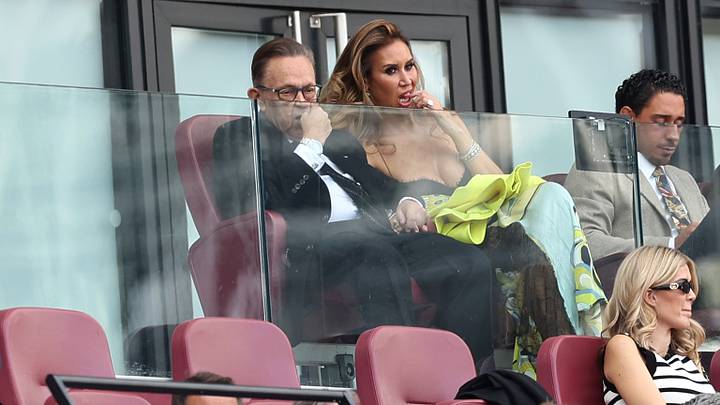
For West Ham United supporters hoping they had finally seen the back of David Sullivan, the saga continues to twist in the most dramatic fashion possible. Just months after stepping down as club chairman in the wake of explosive allegations, the veteran businessman is refusing to go quietly—launching a massive £150 million legal war that threatens to cast a permanent shadow over the club’s fortunes.
While fans were eager to turn the page on the controversial past administration and focus entirely on the pitch, Sullivan’s latest legal maneuvers ensure that the boardroom drama remains front and center at the London Stadium.
The £150 Million Legal Showdown
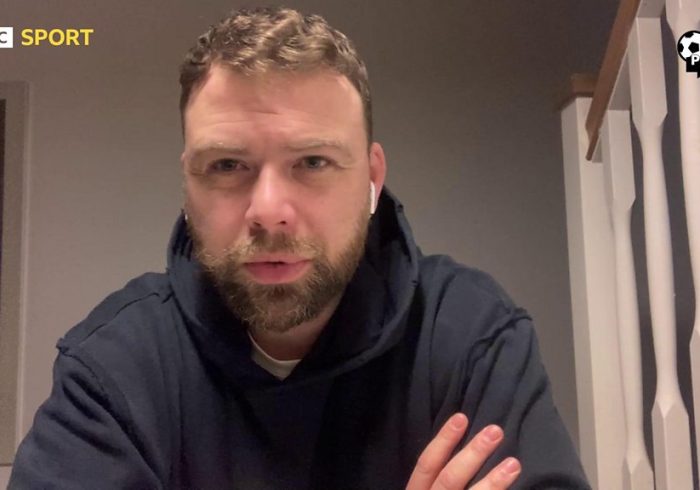
When the BBC aired its damaging Panorama documentary earlier this year, many supporters assumed it would mark the absolute end of Sullivan’s era at West Ham. Facing intense public backlash and historical accusations of misconduct, Sullivan stepped down from his formal chairmanship to fight the claims.
However, rather than fading away, Sullivan is striking back with full force. Reports from The Telegraph revealed that Sullivan is officially suing the BBC for a staggering £150 million over the sexual misconduct accusations leveled against him in the programme.
With a lengthy and deeply public legal battle now underway, the distraction is the last thing a club trying to navigate the rigors of the Championship needs. Though Sullivan stepped down as chairman, he still commands a major equity stake in the club—owning 38.8%—while silent partner Daniel Kretinsky holds 43%.
The Ghost of Upton Park and Missed Ownership Opportunities
The resentment surrounding Sullivan and the legacy of the previous board runs deep among the fanbase. For years, supporters have blamed Sullivan, the late David Gold, and former vice-chair Karren Brady for uprooting the club from its spiritual home at Upton Park and relocating to the cavernous London Stadium—a move many feel was sold as a grand dream but delivered a sporting nightmare.
Frustrations were further compounded when high-profile takeover bids, such as the consortium led by Amanda Staveley, failed to materialize. Staveley, who famously orchestrated the transformative Saudi PIF takeover at Newcastle United and turned them into Champions League contenders, had previously explored a stake in West Ham.
Staveley reportedly harbored ambitious plans to purchase the London Stadium outright, offering hope that the club could finally renovate and transform the former 2012 Olympic venue into a true, intimidating football home. With London Mayor Sadiq Khan recently opening the door to a potential stadium sale, fans are left wondering what could have been, especially as Kretinsky’s silent ownership leaves supporters feeling disconnected.
Chasing Promotion Amid Boardroom Chaos
Fortunately, the turmoil in the boardroom has not completely infected the pitch. West Ham has made an encouraging start to the 2026–27 Championship campaign, currently sitting second in the table and fueling genuine optimism about an immediate return to the Premier League.
Yet, the cloud of the past refuses to lift. Sullivan is already considered guilty in the court of public opinion, and his ongoing presence as a major shareholder—coupled with a £150 million defamation battle against the national broadcaster—guarantees that controversy will follow the Hammers every step of the way.
As Daniel Farke’s men fight to secure promotion and restore pride to the badge, fans are left waiting for the day when West Ham can finally move past the turbulence of the Sullivan era once and for all.
Do you think David Sullivan’s £150 million lawsuit against the BBC will ever clear his name, or should West Ham’s remaining owners force him out completely?