Nicolas Raskin’s resurgence at Rangers has become one of the defining narratives of the Scottish Premiership season, highlighting both the unpredictability of football and the importance of managerial vision.
Not long ago, the Belgian midfielder found himself on the periphery at Ibrox under former manager Russell Martin. A reported fallout led to Raskin’s temporary exclusion from the squad, casting doubt over his long-term future at the club. At one stage, a summer exit seemed increasingly likely, with interest mounting and his role unclear.
Yet, in a twist that now appears pivotal, Rangers chose to retain the 25-year-old. That decision has since been emphatically justified.
Raskin has transformed into a driving force behind Rangers’ late-season title push. His recent performance in the dramatic comeback victory over Falkirk—where the Glasgow side overturned a two-goal deficit—perfectly encapsulated his influence. He dictated play, linked midfield to attack seamlessly, and played a role in nearly every meaningful forward move.
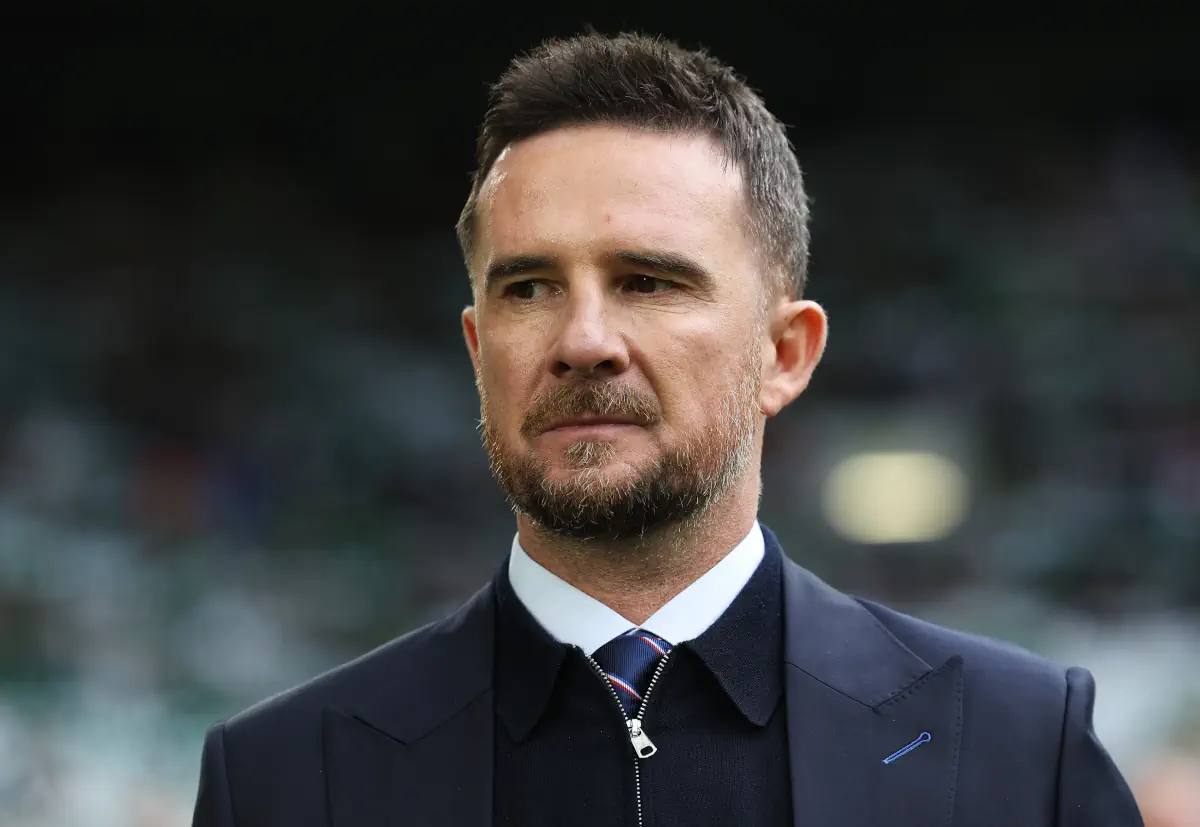
Former Rangers captain Barry Ferguson did not mince words when reflecting on Raskin’s earlier omission, describing it as “crazy,” a sentiment echoed by commentator Tom Miller. Their reactions underline just how stark the contrast has been between Raskin’s current importance and his previous marginalization.
Statistically, his impact is undeniable. With 31 appearances and 29 starts this season, Raskin has contributed five goals and seven assists in the league, alongside an impressive passing accuracy of 86%. Beyond the numbers, however, it is his energy, vision, and tactical intelligence that have elevated Rangers during a critical phase.
A key factor in his resurgence has been a subtle positional shift. While naturally inclined to operate deeper in midfield, Raskin has thrived in a more advanced role in recent weeks. The arrival of Tochi Chukwuani in the winter transfer window has allowed greater tactical flexibility, freeing Raskin to influence the game higher up the pitch.
Under current manager Danny Rohl, this adjustment has paid dividends. Raskin’s ability to contribute creatively while maintaining defensive discipline has made him indispensable, particularly as Rangers chase what would be their 56th league title.
Looking ahead, his form could have implications beyond domestic football. If he maintains this trajectory, Raskin may well become a key figure for Belgium on the international stage, with the 2026 World Cup looming. His rising profile also positions him as a valuable asset for Rangers, both on the pitch and potentially in the transfer market.
Ultimately, Raskin’s journey this season is a testament to resilience and opportunity. From being sidelined to spearheading a title challenge, he has not only revived his own career at Ibrox but also reshaped Rangers’ fortunes when it mattered most.