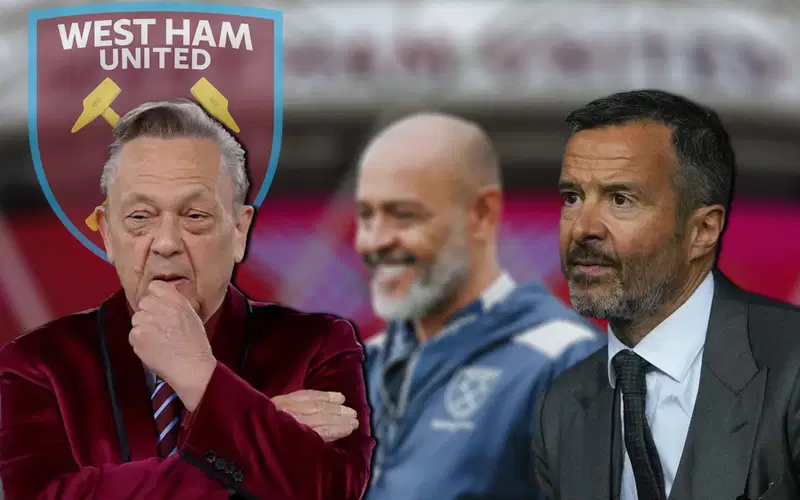
West Ham United have moved to clear up growing uncertainty surrounding their long-term recruitment structure, confirming that plans to appoint a Director of Football remain firmly in place.
The clarification comes after conflicting reports emerged over the past few weeks. During a Fan Advisory Board meeting held on February 26, vice-chair Karren Brady stated that the club intended to introduce a “senior leadership recruitment role” ahead of next season—regardless of which division the Hammers find themselves in.
However, that position was later challenged by internal sources suggesting the club might stick with its current transfer model, where managerial and board-level input dominate decision-making.
That contradiction has now been addressed.
Club Issues Definitive Position
Following inquiries from the Fan Advisory Board, West Ham have confirmed:
- Reports claiming the role was no longer planned are speculative
- The club’s original stance from February remains unchanged
- A Director of Football will be appointed at the end of the season
- No further public clarification will be made at this stage
This statement effectively ends speculation and reaffirms the club’s commitment to restructuring its football operations.
Potential Power Struggles Ahead?
While the decision brings clarity, it also raises fresh concerns about internal dynamics—particularly regarding manager Nuno Espírito Santo.
Introducing a Director of Football often shifts control over transfers and recruitment strategy, which can lead to tension if roles are not clearly defined. West Ham have recent experience in this area, with former technical director Tim Steidten reportedly clashing with both David Moyes and Julen Lopetegui.
There are also cautionary tales elsewhere. At Nottingham Forest, structural disagreements between Edu Gaspar and Nuno—alongside the influence of agent Jorge Mendes—contributed to instability behind the scenes.
A Crucial Turning Point
West Ham’s decision signals a shift toward a more modern football structure, aligning with many top European clubs that separate coaching and recruitment responsibilities.
However, success will depend heavily on:
- Clear role definitions
- Alignment between manager and board
- Strategic consistency in recruitment
If executed well, the move could bring long-term stability and smarter squad building. If not, it risks repeating past internal conflicts.
For now, one thing is certain: change is coming to the London Stadium—and it could reshape the future of West Ham United.