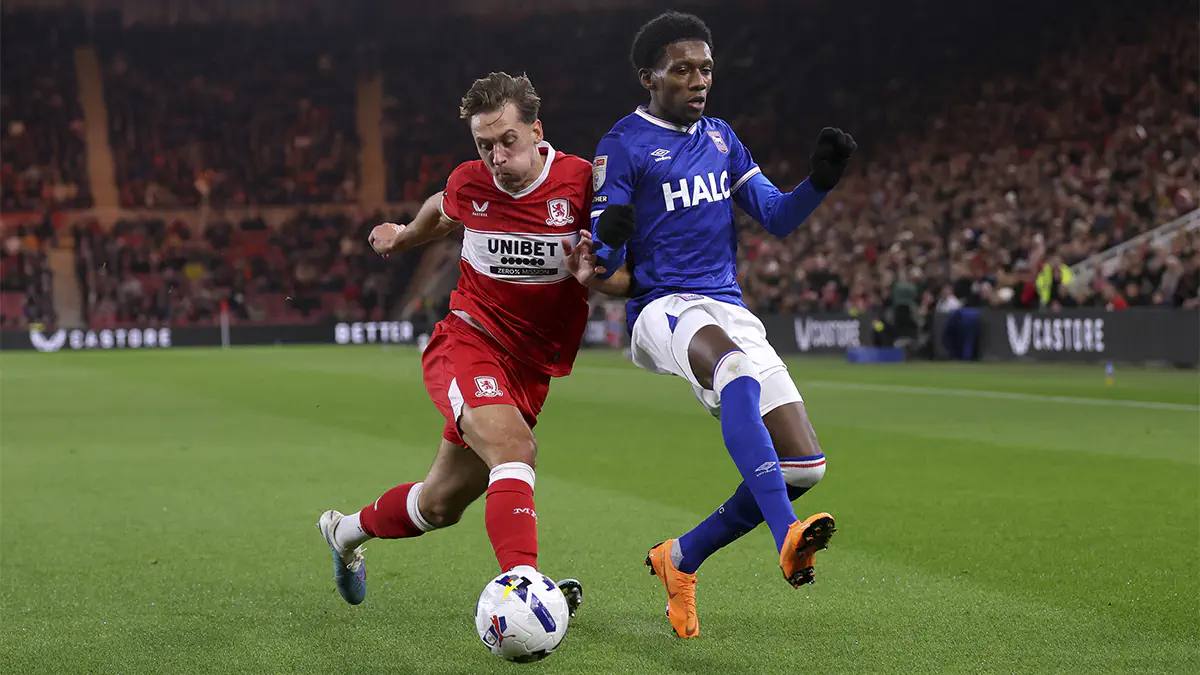
When comparing Middlesbrough and Ipswich Town, the debate goes beyond simple league positions or recent form. It stretches across decades of English football history, touching on trophies, European success, iconic eras, and the present-day quality of both squads. While both clubs are respected names within English football, a full analysis reveals important differences in their stature.
Historically, Ipswich Town hold a significant advantage when it comes to major honors. The club’s golden era came under legendary manager Bobby Robson in the late 1970s and early 1980s. During this period, Ipswich not only won the FA Cup in 1978 but also achieved something far rarer for a club of their size: European glory. Their UEFA Cup triumph in the 1980–81 season remains one of the standout achievements in English club football history. Adding to this is their English First Division title, which firmly cements Ipswich’s place among clubs that have reached the pinnacle of domestic football.
Middlesbrough, by contrast, have a more modest trophy cabinet. Their most notable success came in 2004 when they won the League Cup, marking their first major trophy. They also enjoyed a memorable run to the UEFA Cup final in 2006, defeating strong European opposition along the way before falling short in the final. While this was an impressive achievement, the absence of a European trophy or top-flight league title puts them at a disadvantage compared to Ipswich in terms of historical success.
Looking at peak performance levels, Ipswich again edge ahead. Their dominance during the Robson era saw them competing consistently at the top of English football and making a serious impact in Europe. Middlesbrough’s best period, under Steve McClaren in the mid-2000s, was notable but shorter-lived and did not reach the same heights in terms of silverware or sustained elite performance.
However, Middlesbrough have arguably been more visible in the modern Premier League era. Over the past few decades, they have spent more time in the top flight compared to Ipswich, who have experienced longer spells outside the Premier League. This has helped Middlesbrough maintain a level of relevance in contemporary English football, even if it has not translated into major trophies.
In terms of head-to-head competition, there is little to separate the two sides. Their meetings over the years have been relatively balanced, reflecting their similar standing as competitive but not dominant forces within English football. This parity reinforces the idea that, while Ipswich may have the stronger historical résumé, the clubs operate at a broadly similar level overall.
Turning to the present day, Ipswich Town appear to have the upper hand. Their current squad shows greater attacking output, stronger form, and a more cohesive playing style. Key players have contributed to a positive run of results, placing them in a stronger competitive position. Middlesbrough, on the other hand, have struggled with consistency, and while they possess talented individuals, their overall performance has been less convincing in comparison.
Ultimately, when all factors are considered—trophies, historical peak, European success, and current squad strength—Ipswich Town emerge as the bigger club. Their achievements at both domestic and European levels give them a legacy that Middlesbrough have not matched. That said, Middlesbrough remain a respected and competitive club, particularly in the modern era, and the gap between the two is not vast in terms of overall stature.
This comparison highlights how football “size” is shaped not just by recent performances, but by the weight of history, moments of greatness, and the ability to leave a lasting mark on the game. Ipswich Town, thanks to their remarkable achievements in the past and solid present trajectory, hold that edge.