The Toronto Raptors’ long-awaited return to playoff contention suffered an early setback as they fell 126-113 to the Cleveland Cavaliers in Game 1, with key flaws in their identity laid bare over four quarters.
While the final score suggests a competitive contest, the reality is that Cleveland dictated the terms of the game—particularly in a decisive third quarter that ultimately swung the series opener beyond Toronto’s reach.
Third-quarter collapse proves decisive
For much of the first half, Toronto remained within touching distance, matching Cleveland’s intensity and staying in the contest. However, the game turned sharply after the break.
A rapid Cavaliers run midway through the third quarter stretched the lead to 20 points, exposing Toronto’s inability to respond under sustained pressure. From that moment on, Cleveland controlled the tempo and never allowed the Raptors back into contention.
Pace problem disrupts Raptors identity
The most striking issue for Toronto was their inability to play at their preferred pace.
During the regular season, the Raptors thrived in transition, leading the league in fastbreak scoring. In Game 1, however, they managed just three fastbreak points—a dramatic drop-off that highlights how effectively Cleveland disrupted their rhythm.
The Cavaliers slowed the game into a half-court battle, where their structured pick-and-roll offense flourished while Toronto struggled to generate fluid attacking sequences.
Without transition opportunities, the Raptors looked uncomfortable and predictable.
Ingram underutilised in crucial moments
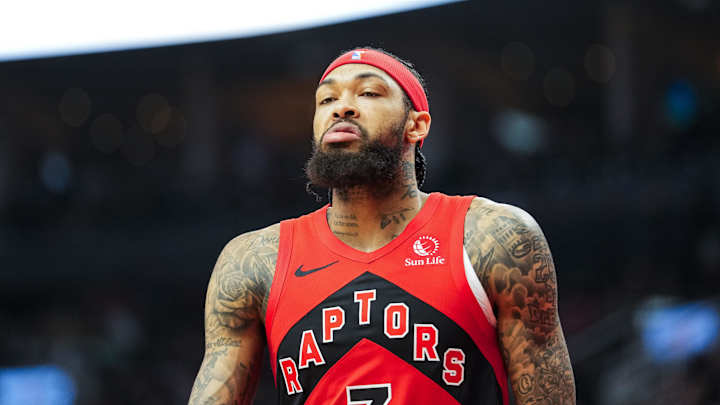
Another major concern was the limited involvement of Brandon Ingram.
As Toronto’s leading scorer, his influence is critical—but in Game 1, he attempted just nine shots, far below the level required for a player of his importance.
Both head coach Darko Rajaković and Ingram himself acknowledged the issue post-game, stressing the need for better ball movement, quicker decisions, and a more deliberate effort to get their star into scoring positions.
Ingram’s reduced role not only limited Toronto’s offensive ceiling but also allowed Cleveland to focus defensively on other threats.
Clear problems—but solutions not simple
Rajaković’s post-match assessment showed a clear understanding of what went wrong: lack of pace, poor ball movement, and insufficient involvement of key players.
However, identifying problems is one thing—fixing them against a well-drilled Cavaliers side is another.
Cleveland’s defensive discipline and control of tempo mean Toronto will need to be far sharper in execution if they are to shift the momentum in Game 2.
What must change for Game 2
If the Raptors are to get back into the series, several adjustments are essential:
- Increase tempo and force transition opportunities
- Ensure Brandon Ingram becomes a focal point offensively
- Improve ball movement to avoid stagnant half-court possessions
- Respond better to opposition runs, particularly in key quarters
Encouragingly for Toronto, both players and coaching staff appear aligned on these priorities.
Final word
Game 1 may have exposed serious issues, but it also provided clarity.
The Raptors now know exactly what must improve if they are to compete in this series. Whether they can implement those changes quickly enough will determine if this becomes a short-lived playoff return—or the start of something more competitive.
For now, the pressure is firmly on Toronto to respond.