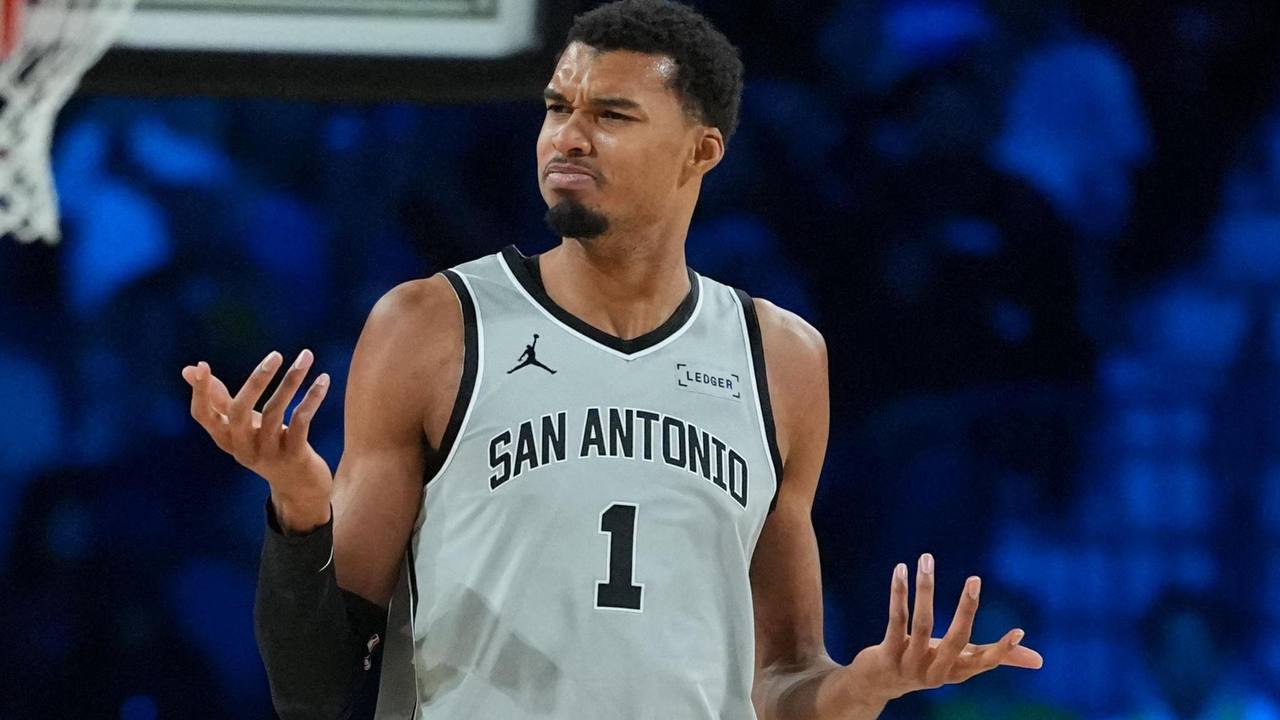
A recently discussed NBA proposal aimed at reforming the draft lottery could unintentionally reshape how rebuilding teams operate — and, ironically, it might strengthen already rising contenders like the San Antonio Spurs.
The idea under consideration is simple but controversial: prevent teams from selecting in the top tier of the draft in consecutive years. The rule is being framed as a response to long-standing concerns about “tanking,” where struggling teams intentionally lose games to improve draft position.
While the intention is to promote competitiveness, critics argue the ripple effects could be far more complicated than expected.
A rule aimed at parity — or disruption?
The NBA has spent years trying to fine-tune the draft system to discourage intentional losing while maintaining a fair path for struggling franchises to rebuild. However, this new restriction could unintentionally slow down rebuilding timelines.
Instead of allowing teams to stack young talent quickly through multiple high picks, franchises might be forced to spread out their lottery success. That could make it harder for bottom-tier teams to climb into contention, especially in drafts that are considered weak at the top.
In other words, teams stuck at the bottom could stay there longer.
Why the Spurs are in the spotlight
The San Antonio Spurs have become a focal point in this debate due to their recent draft success. With a young core built around players like Victor Wembanyama, Stephon Castle, and Dylan Harper, the franchise has accelerated its rebuild faster than most expected.
Because the Spurs have repeatedly drafted high in recent years, some analysts have pointed to them as an example of how draft positioning can rapidly reshape a franchise.
But under the proposed rule, that kind of accelerated rebuild could become much harder for other teams to replicate.
Rather than limiting contenders like the Spurs, some critics believe the rule could actually reinforce their advantage. Once a team successfully accumulates elite young talent, rivals may struggle to catch up if they are no longer allowed to rebuild through consecutive high draft picks.
The unintended consequence: entrenched contenders
NBA analyst Sam Quinn highlighted a key concern: restricting top lottery access could unintentionally cement the league’s emerging power structure. Teams like the Spurs and Oklahoma City Thunder — both built through strong drafting over multiple years — could become even harder to challenge.
If rebuilding teams are slowed down while already-strong young cores continue developing, the competitive gap may widen rather than shrink.
That outcome would run counter to the NBA’s goal of increasing parity across the league.
Lessons from past rule changes
This wouldn’t be the first time a rule designed to balance competition created unexpected side effects. The league’s introduction of the repeater tax in 2011, intended to curb excessive spending by big-market teams, ended up influencing roster decisions for smaller franchises as well — including forcing difficult financial decisions that impacted roster continuity.
The concern now is that draft reform could follow a similar pattern: well-intentioned, but uneven in its real-world impact.
Expansion and added pressure on rebuilding teams
Adding to the complexity, the NBA is also exploring expansion, which would introduce new teams into the draft ecosystem. More teams competing for top picks would already dilute talent distribution — and combined with stricter lottery rules, rebuilding could become even more challenging.
That combination could make long-term roster construction more dependent on already-established young cores, rather than continuous rebuilding cycles.
What it could mean going forward
If implemented, the rule could significantly alter how teams approach rebuilding strategies. Instead of rapid multi-year lottery success, franchises might need to rely more heavily on trades, player development, and long-term planning without expecting consistent top draft access.
For teams like the Spurs, who have already secured foundational talent, the shift could actually stabilize their rise. For others still searching for their cornerstone players, however, the path forward could become much narrower.
In trying to fix one problem, the NBA may be creating another — one where the gap between emerging contenders and struggling franchises becomes harder to close.