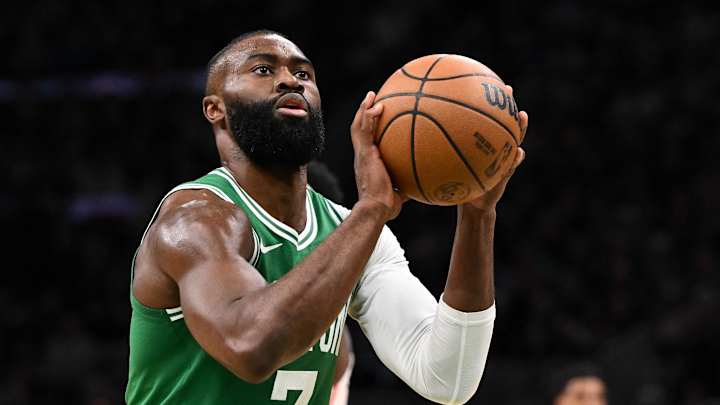
The Boston Celtics let a crucial opportunity slip away in Game 2 of their first-round playoff series against the Philadelphia 76ers—and Jaylen Brown didn’t shy away from addressing exactly why.
Despite dropping a game-high 36 points, Brown acknowledged that Boston’s performance fell short in key areas, particularly on defense and overall intensity. The loss not only evened the series but also handed momentum—and home-court advantage—to Philadelphia.
A Mixed Bag: Execution vs. Opposition
Brown pointed to a combination of factors behind the defeat. While crediting the 76ers for making effective adjustments, he admitted the Celtics strayed from what works best for them.
Boston struggled to maintain consistency, particularly after a strong Game 1 showing. Defensive lapses and missed assignments allowed Philadelphia to capitalize, exposing cracks in what is typically one of the league’s most disciplined teams.
Defensive Breakdowns Prove Costly
One of the clearest issues Brown highlighted was Boston’s defensive execution. After setting a high standard in Game 1, the Celtics regressed, allowing too many easy scoring opportunities.
Miscommunication, poor screen navigation, and a lack of cohesion led to breakdowns that the 76ers exploited. Brown was blunt: it simply wasn’t good enough for playoff basketball.
Outworked and Outplayed
Perhaps the most concerning admission came when Brown acknowledged that the Celtics were “outcompeted.” For a team built on toughness and discipline, that’s a red flag.
Boston’s intensity dipped at critical moments, and against a team as talented as Philadelphia, that margin for error proved decisive. The Celtics now face the challenge of rediscovering their identity before the series slips further away.
The Edgecombe Factor
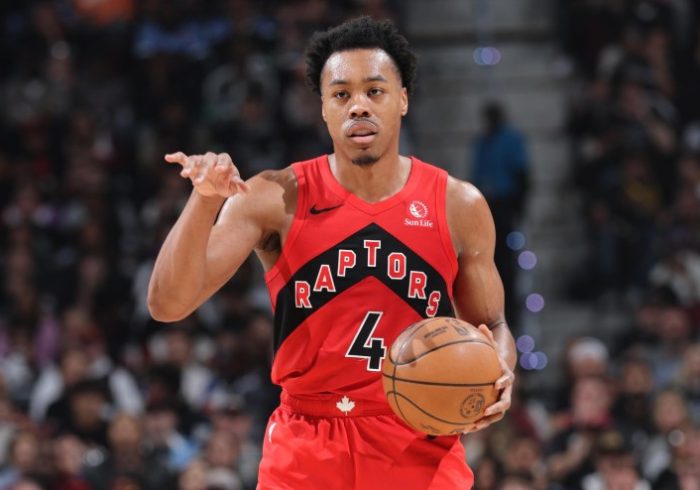
A surprising element in Game 2 was the impact of rookie guard VJ Edgecombe, who found his rhythm early and never looked back. Brown admitted the Celtics allowed him to get too comfortable, which ultimately hurt them.
In the playoffs, even a single hot hand can swing a game—and Boston failed to contain his momentum.
Missed Opportunities Down the Stretch
The Celtics clawed their way back late in the fourth quarter, cutting the deficit to just two points. But back-to-back three-pointers from Tyrese Maxey quickly shut the door.
Boston’s defensive strategy in those moments raised questions, as they allowed one of Philadelphia’s most dangerous scorers clean looks in a clutch situation.
No Panic—But No Complacency Either
Despite the loss, Brown struck a composed tone. He emphasized that playoff series are unpredictable and that the Celtics have been in similar situations before.
Rather than panic, the focus is on adjustments—watching film, tightening execution, and returning to their core style of play. Brown made it clear: the solution isn’t drastic change, but sharper focus.
Trust in the System
Brown also stressed the importance of trusting teammates and avoiding “hero ball.” Boston’s offense thrives when the ball moves and role players are involved, something that slipped at times in Game 2.
Getting players like Payton Pritchard and Derrick White more consistently engaged will be key moving forward.
A Pivotal Game 3 Awaits
With the series now shifting to Philadelphia, the pressure is firmly on Boston. Another loss could put them in a dangerous hole, while a win would reclaim control.
For the Celtics, the formula is simple—but not easy: defend better, play harder, and stay locked in for all 48 minutes.
As Brown put it, it’s all about mentality. And in the playoffs, that can make all the difference.