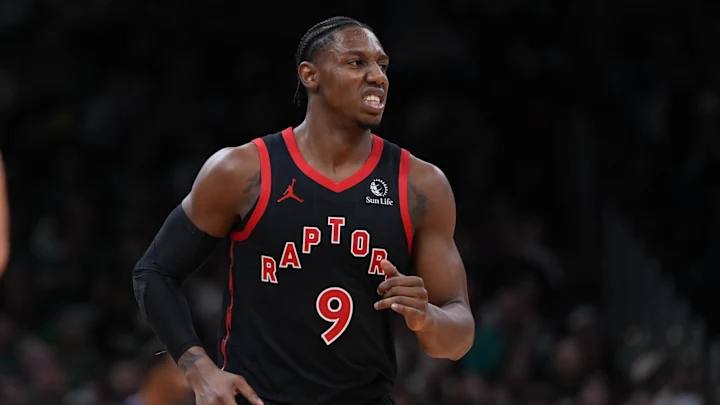
The Toronto Raptors may find themselves trailing in their first-round playoff series against the Cleveland Cavaliers, but within the organization, there is a growing sense that the bigger picture matters more than the immediate results. While back-to-back losses have exposed flaws in execution and consistency, head coach Darko Rajaković remains focused on the long-term development of his young and evolving roster.
For fans, watching missed opportunities, costly turnovers, and inconsistent performances can be frustrating—especially on the playoff stage. However, for a team built around youth and inexperience, these growing pains were always part of the journey. The Raptors entered the postseason without the polish of a seasoned contender, and that has been evident through the opening games of the series.
Rajaković has been quick to shift the narrative away from short-term disappointment, instead emphasizing how valuable this experience will be for the team’s future. He has stressed that expecting perfection from a young core at this stage would be unrealistic, pointing instead to the lessons being learned in real time.
According to the head coach, the growth is already visible. Even within a short span, the team has begun to show signs of improvement, particularly in terms of intensity and understanding of playoff-level basketball. While the results may not yet reflect it, the internal progress is something the Raptors are choosing to build upon.
On the court, however, the challenges have been clear. The Raptors have struggled to consistently impose their preferred style of play, which relies heavily on defensive pressure and fastbreak opportunities. Against a more experienced Cavaliers side, maintaining that identity has proven difficult.
Cleveland’s offensive firepower, led by Donovan Mitchell and James Harden, has posed significant problems. The Raptors have yet to find a reliable way to contain their scoring, and defensive lapses have been costly. At the same time, Toronto’s own offensive rhythm has been inconsistent, with turnovers disrupting momentum and limiting scoring opportunities.
Several key players have also found it difficult to hit top form. Brandon Ingram, expected to be a primary scoring option, has yet to fully assert himself in the series. Meanwhile, Jakob Poeltl’s struggles have been notable enough that his minutes were significantly reduced in Game 2, highlighting the team’s ongoing search for effective lineup combinations.
Despite these setbacks, there have been encouraging signs between Game 1 and Game 2. The Raptors displayed improved defensive intensity and managed to generate more fastbreak points, offering glimpses of the identity they aim to establish. Individual performances have also shown growth, particularly among younger players stepping into larger roles.
Scottie Barnes demonstrated greater offensive aggression in the second game, while also contributing defensively with steals and blocks. Sandro Mamukelashvili made a strong impact on the boards, leading the team in rebounds and showing increased involvement. Ja’Kobe Walter improved his shooting output, turning a quiet Game 1 into a more productive performance in Game 2.
Perhaps the most exciting development has been the emergence of rookie Collin Murray-Boyles. Unfazed by the intensity of playoff basketball, he has delivered back-to-back impressive performances, combining efficient scoring with solid rebounding and defensive versatility. His ability to contribute on both ends of the floor has given the Raptors a new dimension, particularly as they look for alternatives in the frontcourt.
Ultimately, while the Raptors may be facing an uphill battle in this series, the experience is proving invaluable. For a young team still learning how to compete at the highest level, these moments serve as building blocks rather than setbacks.
As the series continues, Toronto’s focus will remain on development as much as results. The lessons learned now could shape the team’s trajectory for years to come, turning short-term struggles into long-term success.