Leeds United may be closing in on Premier League safety, but their work this season is far from over. Beyond avoiding relegation, the club’s final league position could play a crucial role in determining their financial strength heading into a pivotal summer.
A 3-1 victory over Burnley has all but secured survival, with history strongly on Leeds’ side—no team has ever been relegated from the Premier League with 43 points in a 38-game season. Still, the focus at Elland Road has already shifted toward what comes next.
After significant investment backed by the 49ers ownership group and a firm decision to stick with manager Daniel Farke, Leeds have achieved their primary objective. However, maintaining momentum and building for next season will come with new challenges—particularly due to incoming financial regulations.
The introduction of Squad Cost Ratio (SCR) rules will limit clubs to spending 85% of their revenue on wages, transfers, and other football-related costs. While designed to promote sustainability, these rules could slightly restrict Leeds compared to last summer, when they spent heavily to strengthen the squad.
Leeds were among six clubs who opposed the new regulations, but the measure passed with a narrow majority. As a result, the club must now adapt and find ways to maximise revenue in order to maintain competitive spending power.
One key factor will be their final position in the Premier League table. Each place higher in the standings is estimated to be worth around £3 million in additional revenue. For example, finishing 13th instead of 15th could generate an extra £6 million.
Combined with approximately £1.5 million earned from their FA Cup semi-final run, those gains could significantly influence Leeds’ summer transfer strategy. The difference could determine whether the club can afford a high-quality striker or goalkeeper—or miss out altogether.
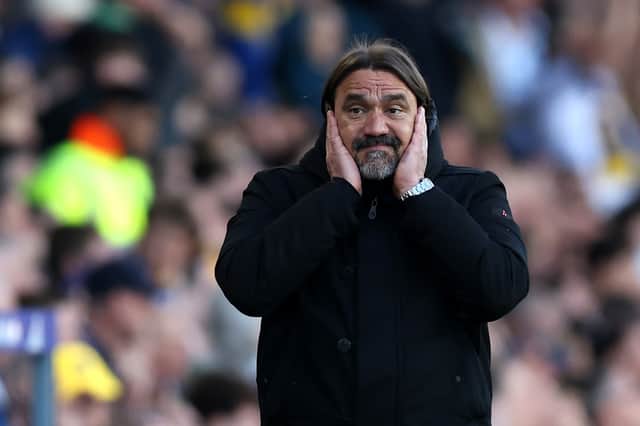
Daniel Farke has made it clear that complacency is not an option, despite survival appearing likely.
“I don’t want to stop on 43 points,” he said after the Burnley win. “We’re in such good shape and delivering strong performances. There are still points to fight for, and we want to win as many as possible.”
While European qualification is out of reach, Farke emphasised the importance of finishing as high as possible, underlining a competitive mindset that could benefit the club both financially and psychologically.
Another issue Leeds may need to address is player sales. The club generated limited transfer income last summer, with Rasmus Kristensen’s move to Eintracht Frankfurt among the most notable departures. This time around, players such as Wilfried Gnonto and Joel Piroe could attract significant interest and command higher fees if Leeds choose—or are forced—to sell.
Ultimately, while survival remains the headline achievement, the finer details of Leeds United’s league finish could have a major ripple effect. In an era of tighter financial controls, every position—and every pound—matters more than ever.