The fallout from Rangers’ 2–1 defeat to Hearts at Tynecastle has quickly shifted from tactics and missed chances to questions about mentality—and at the centre of the storm is Nasser Djiga.
Boyd’s frustration boils over
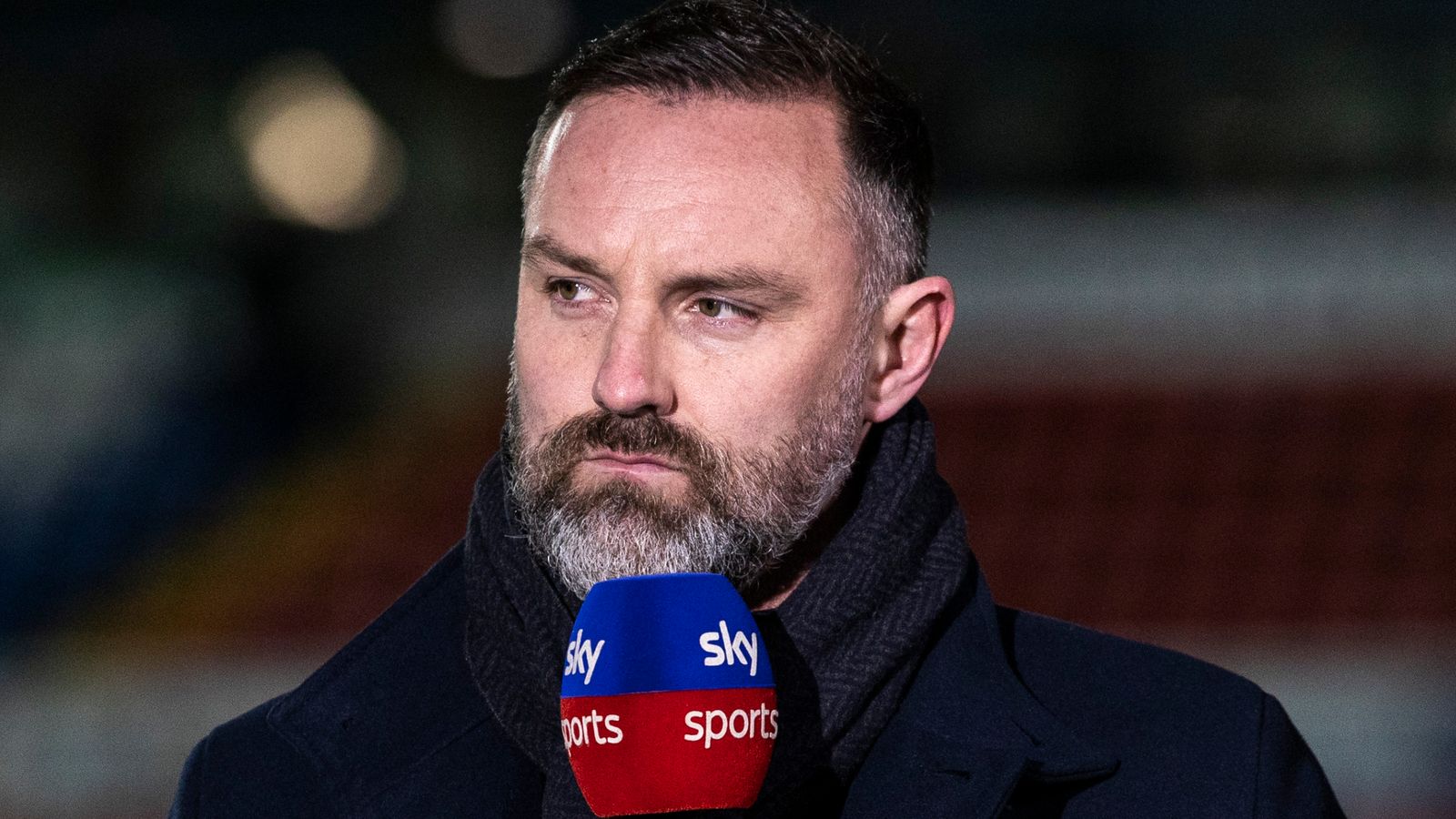
Former Rangers striker Kris Boyd did not hold back in his criticism, calling out what he sees as a lack of urgency and emotional investment from the current squad. His frustration stemmed not just from the result, but from Djiga’s behaviour during and after the match—particularly helping an opposition player with cramp and appearing relaxed at full-time.
For Boyd, those moments symbolised something deeper. In his view, Rangers players should reflect the weight of the club’s expectations, especially after a defeat that could define their season. Seeing a player smiling and chatting with opponents immediately after such a loss raised serious questions about whether that standard is being met.
A performance that didn’t silence critics
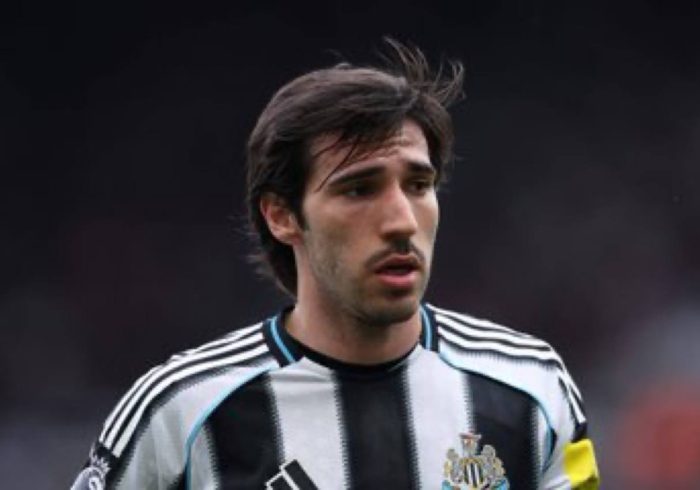
On the pitch, Djiga’s display did little to quiet the noise. While he completed the full 90 minutes, his defensive contribution was underwhelming—winning just one tackle attempt and offering mixed success in duels. It was a performance that mirrored Rangers’ collapse: promising early control undone by a lack of composure and edge.
That’s particularly significant given Djiga’s recent upturn in form. After a difficult start to life at Ibrox, he had begun to rebuild his reputation, forming a solid partnership with Emmanuel Fernandez and even edging John Souttar out of the starting XI. Talk of a permanent move from Wolverhampton Wanderers had started to gain traction—but this latest outing may force a rethink.
Bigger questions for Rangers
The criticism goes beyond one player. Under manager Danny Rohl, Rangers’ inconsistency has become a recurring theme, and the defeat in Gorgie only intensifies scrutiny on both recruitment and squad culture.
One talking point that has resurfaced is the absence of Scottish players in the starting lineup. For a club so deeply tied to national identity and expectation, that absence has not gone unnoticed. Critics argue that a reliance on overseas signings has diluted the understanding of what it means to play for Rangers—something Boyd and others believe is crucial in high-pressure moments.
A summer of decisions ahead
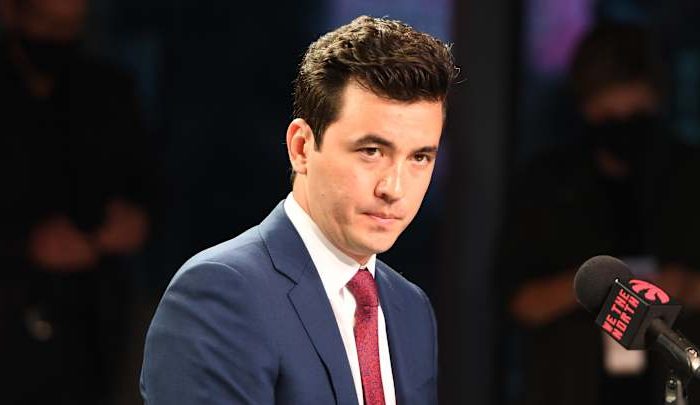
With new ownership involving Andrew Cavenagh and 49ers Enterprises, a major rebuild appears increasingly likely. Recruitment strategy, squad mentality, and leadership on the pitch are all under the microscope.
For Djiga, the coming weeks could define his future in Glasgow. What once looked like a potential permanent stay now feels uncertain, hinging not just on performances—but on whether he can convince critics he understands the demands of the badge.
For Rangers as a whole, the challenge is even bigger: restoring a culture where results hurt, standards are non-negotiable, and moments like this don’t pass without consequence.