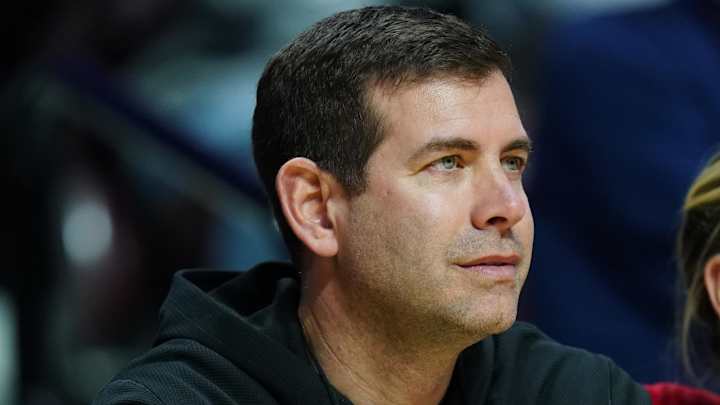
The Boston Celtics find themselves at an unexpected crossroads. Just weeks after a bitter, first-round playoff exit at the hands of the Philadelphia 76ers, the franchise is staring down a summer of intense speculation. While the majority of the fanbase and media assume President of Basketball Operations Brad Stevens will launch an aggressive pursuit of a superstar like Giannis Antetokounmpo, a fascinating alternative theory is beginning to take shape.
What if the best path forward for Boston isn’t trying to out-spend the competition, but rather hitting the reset button?
As Hardwood Houdini’s Ben Handler points out, Stevens’ brutally honest end-of-season press conference dropped heavy hints that he views the team’s regular-season success as “fool’s gold.” Exposed by elite competition and struggling heavily with rim presence, Stevens made it clear that this roster, as constructed, is not a true title contender. If a blockbuster upgrade isn’t on the table, a “nuclear option” soft rebuild might be the tough pill fans have to swallow.
The Juggernaut Shadow: Learning from the West
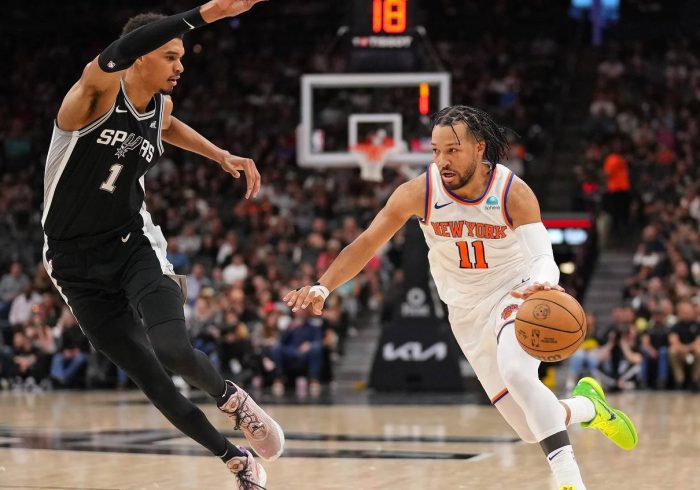
Stevens understands the modern NBA landscape as well as anyone. When he looks out across the league, he sees the terrifying juggernauts currently forming in Oklahoma City and San Antonio. Those franchises weren’t built by scrambling for a quick-fix superstar; they were meticulously crafted through a long-term vision rooted in draft-asset accumulation, shrewd trading, and organic player development.
With the NBA introducing new lottery reforms that make building through the draft more palatable than ever, Stevens could look to copy the Thunder/Spurs blueprint.
Selling at Peak Value
The premise of a soft rebuild hinges on one crucial reality: the Celtics have an embarrassment of riches when it comes to tradeable assets. If Stevens decides this core has already hit its ceiling, he could command a historic haul of draft picks and young prospects by selling high this summer.
- Jaylen Brown: Coming off arguably the most demanding season of his career—where he carried the load with Jayson Tatum sidelined for a massive chunk of the year—Brown’s trade value will never be higher. He has two years remaining on his contract and has proven he can function as a devastating first option.
- Derrick White: Despite a down year offensively, White remains an elite, All-Defense caliber guard who would perfectly slot into the starting lineup of any championship contender.
- The Supporting Cast: Payton Pritchard is playing on an incredibly team-friendly contract that makes him highly attractive to teams looking for an initialization spark, while Sam Hauser represents an elite, plug-and-play floor spacer.
Chaos in the Streets vs. Sustainable Success
Trading away cornerstone pieces of a roster that won 56 regular-season games would undoubtedly cause panic in the streets of Boston. It is an incredibly high-risk gamble.
However, the reality of the situation is daunting. Even if Boston pulls off a desperate trade for a star, matching salaries and asset depletion could leave them entirely barren on the margins. By choosing to pivot early, Stevens would avoid the looming threat of luxury-tax stagnation, ensuring the Celtics are armed with a war chest of picks to strike when the time is right.
For a front office that completely restructured its financial sheet over the last year to get back under the luxury tax, tactical flexibility is everything. It remains a long shot, but ruling out a bold, landscape-shifting pivot from Brad Stevens would be a massive mistake.
The Introspection: In his press conference, Stevens noted a sign hanging in his office that reads: “What do you want, what’s true, and how do you get there?” If the truth is that this core cannot catch the league’s rising dynasties, the answer of how to get there might look radically different than anyone expects.