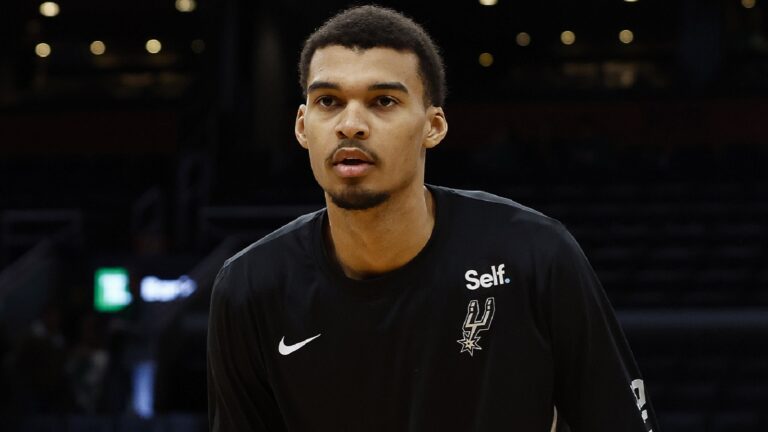
Victor Wembanyama’s postgame comments after the Spurs’ Game 3 loss to the Oklahoma City Thunder may have revealed something far bigger than frustration.
For the first time all postseason, the 22-year-old superstar looked genuinely disappointed in himself — not because of his shooting numbers, not because of the scoreboard, but because he believes he’s failing the people around him.
And honestly? That should terrify the rest of the NBA.
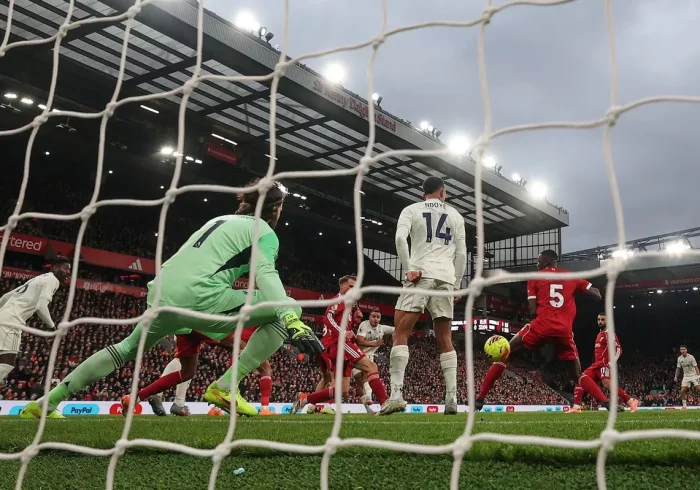
The San Antonio Spurs entered Game 3 riding a wave of momentum after stealing home-court advantage from the defending champion Oklahoma City Thunder. The atmosphere inside Frost Bank Center felt electric. Fans expected another Victor Wembanyama masterclass.
Statistically, they still got one.
Wembanyama finished with 26 points on an efficient 8-for-15 shooting performance. For most NBA stars, that stat line would represent a dominant playoff outing.
But for Wembanyama?
It felt like failure.
After the Spurs suffered a painful 123-108 defeat, the French phenom delivered one of the most revealing postgame interviews of his young career.
“I feel like I have trouble making my teammates better right now,” Wembanyama admitted. “My shooting splits aren’t terrible. I need to be more of a team player.”
The quote immediately exploded across NBA social media.
Because while most young superstars obsess over scoring numbers, Wembanyama appears consumed by something far deeper: total control of the game.
And that mentality is exactly why league executives are becoming increasingly convinced the Spurs’ championship window has already arrived.
The Numbers Say One Thing… But Wemby Saw Something Else
On paper, Wembanyama played well.
26 points. Efficient shooting. Defensive presence. Constant attention from Oklahoma City’s defense.
But Game 3 exposed a major problem for San Antonio.
The Thunder completely disrupted the Spurs’ offensive rhythm whenever the ball left Wembanyama’s hands.
Oklahoma City aggressively crowded driving lanes, shrunk the floor, and forced San Antonio’s supporting cast into uncomfortable decisions. The result was one of the Spurs’ most disjointed offensive performances of the playoffs.
And Wembanyama noticed immediately.
Instead of blaming teammates… Instead of blaming officiating… Instead of forcing excuses…
He blamed himself.
That level of accountability from a 22-year-old franchise cornerstone is almost unheard of.
The Scary Reality? Wembanyama Hasn’t Fully Taken Over Yet
Ironically, many NBA fans left Game 3 saying the exact opposite of what Wembanyama believed.
Across social media, analysts and supporters argued that the Spurs actually need him to become MORE selfish offensively.
There were long stretches where Oklahoma City simply had no answer for him individually.
But instead of forcing 30 shots, Wembanyama continued trying to involve teammates and trust the Spurs’ system.
That’s the terrifying part for the rest of the league.
The player already dominating playoff defenses still believes he hasn’t unlocked his final form yet.
And if he eventually reaches the point where he combines elite scoring aggression with his current playmaking mindset, the Western Conference may genuinely have no solution.
Gregg Popovich Built Him Different
One thing continues separating Wembanyama from most young superstars: maturity.
The modern NBA often rewards volume scoring, individual branding, and highlight culture. But San Antonio’s environment has clearly shaped Wembanyama differently.
Even after becoming the face of the NBA faster than anyone expected, his mindset still revolves around team basketball.
Winning. Elevating teammates. Controlling the flow of games.
That mentality mirrors the culture Gregg Popovich spent decades building during the Spurs dynasty years.
And now fans are beginning to realize something frightening:
This isn’t just another superstar prospect.
This might be the beginning of the NBA’s next dynasty.
The Thunder Have Awakened Something Dangerous
The defending champion Thunder may have won Game 3…
But they also may have triggered the next evolution of Victor Wembanyama.
Because historically, the truly generational players always respond dangerously after public self-criticism.
Michael Jordan did it. LeBron James did it. Kobe Bryant did it.
And now Wembanyama appears to be entering that same psychological territory — where “good games” no longer satisfy him unless everyone around him thrives too.
That should worry Oklahoma City.
A lot.
Because if Wembanyama decides the best way to “make teammates better” is by completely taking over the series himself…
The Thunder could be facing an entirely different monster in Game 4.