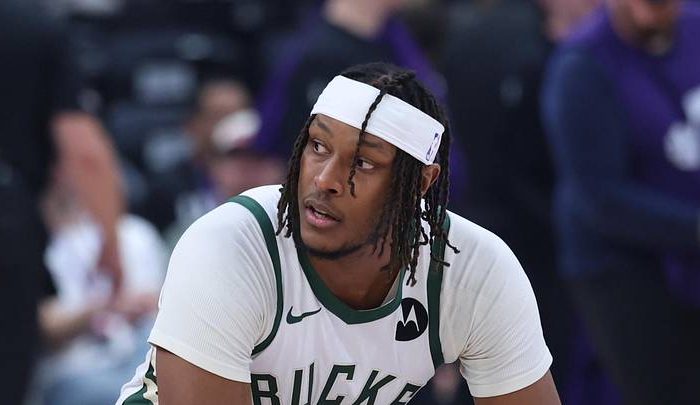
As the 2026 NBA offseason approaches, the Boston Celtics find themselves at a strategic crossroads. After a season that highlighted both the undeniable potential of young star Neemias Queta and a lingering vulnerability in the frontcourt, the front office is looking for answers. Among the most intriguing solutions? A familiar face: Robert Williams III.
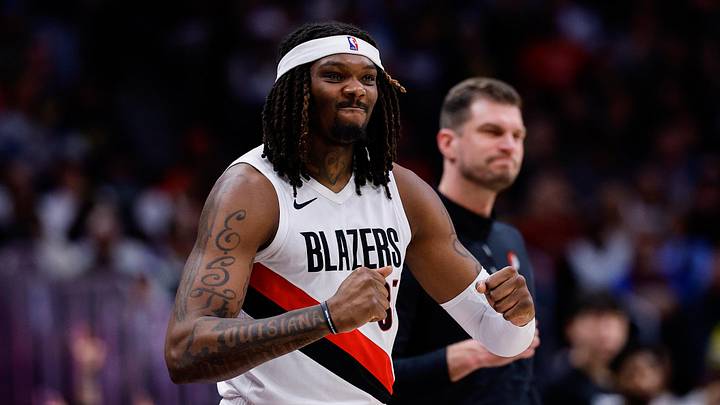
The man famously known as “Time Lord” is set to become an unrestricted free agent this summer. After a resurgent 2025–26 campaign with the Portland Trail Blazers—where he played 59 games and showcased his trademark defensive intensity against stars like Victor Wembanyama—Williams has become one of the most sought-after big men on the open market.
The Case for a Reunion
For the Celtics, the appeal of bringing Williams back is about more than just nostalgia. It’s about building a championship-caliber frontcourt rotation.
- Defensive Versatility: Boston’s biggest weakness last season was the defensive limitation of its centers. While Neemias Queta has blossomed into a reliable starter, the team struggled to contain dominant physical forces like Joel Embiid in the playoffs. Williams, an All-Defensive Second Team selection during his first stint in Boston, remains an elite shot-blocker and rim protector who can anchor a defense in high-stakes moments.
- Chemistry and “Celtics DNA”: There is a unique value in players who already understand the culture of the franchise. Williams has deep-rooted chemistry with the core of the roster, and his ability to operate as an above-the-rim lob threat would provide a massive boost to Boston’s offensive efficiency.
- The “Triumvirate” Strategy: The goal isn’t to replace Queta, but to complement him. By pairing Queta with the high-flying athleticism of Williams, the Celtics can create a dynamic 1-2 punch that keeps opponents guessing. It also allows the coaching staff to manage Williams’ workload strategically, mitigating his long-term injury concerns by pacing him within a deeper rotation.
The Financial Reality
ESPN analyst Bobby Marks recently noted that Williams is expected to command a contract in the $12–$13 million range. The Celtics, currently sitting roughly $13.3 million beneath the luxury tax, have a narrow path to make this work. While they might need to move minor salary elsewhere to comfortably stay under the tax threshold, the potential return—a proven playoff performer who knows how to win in green—is a gamble worth taking.
The Competition
A reunion won’t be easy. Williams’ productive year has caught the eye of several contenders, including the Atlanta Hawks and the LA Clippers. Teams looking for a defensive anchor to shore up their playoff rotation see Williams as a “circle on the wishlist” candidate.
However, for Williams, the choice to return to Boston offers the chance to compete for a championship alongside a familiar core that helped him reach his first NBA Finals. As the league’s decision-makers gather to finalize their summer plans, one thing is clear: the prospect of the Time Lord returning to TD Garden is no longer just a pipe dream—it is a logical, high-upside move that could be the missing piece to Boston’s next title run.