The 2026 NBA Finals are currently serving as a masterclass in modern basketball, and for the Toronto Raptors, it’s a difficult watch. As the New York Knicks and San Antonio Spurs battle for the Larry O’Brien Trophy, the league’s new reality is clear: while size and defense are the foundation, elite guard play is the ceiling.
The “Size Trap”: A Lesson from the 2026 Postseason
For years, the Raptors’ front office has prioritized long, versatile, two-way forwards. It’s a philosophy that works in the regular season, but the playoffs have exposed a glaring vulnerability.
Look at the finalists:
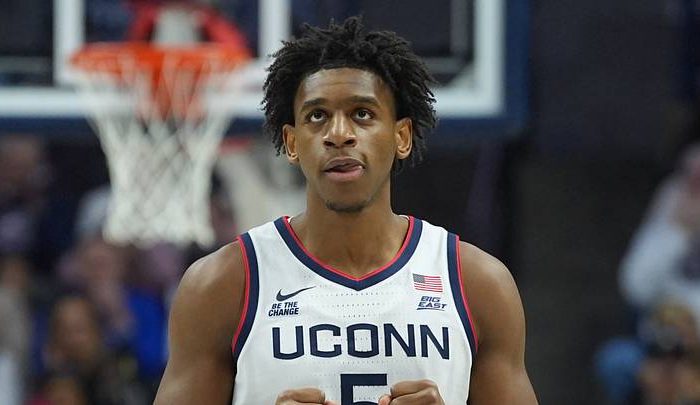
- The Spurs have the world’s most exciting prospect in 22-year-old Victor Wembanyama, but their engine is a rotation of high-IQ guards like Stephon Castle, De’Aaron Fox, Dylan Harper, and Devin Vassell.
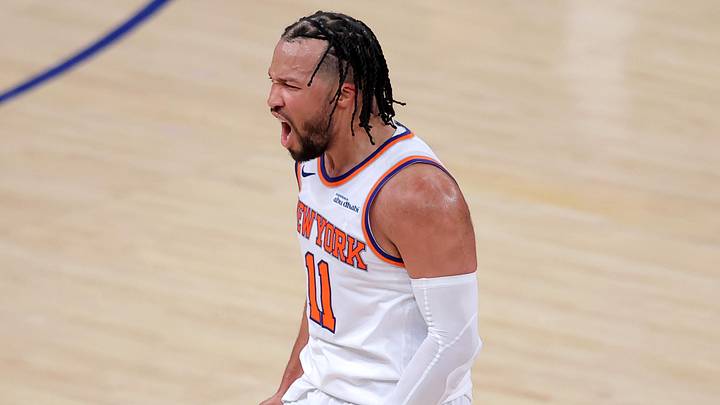
- The Knicks are on a historic 13-game playoff win streak, fueled by a formidable frontcourt duo of Karl-Anthony Towns and OG Anunoby—yet, they wouldn’t be two games away from a title without Jalen Brunson’s floor-general brilliance, averaging over 26 points and 6 assists.
The message is loud and clear: You can have all the length in the world, but if you lack a high-level guard who can dictate tempo, create shots, and close games under playoff pressure, your ceiling is capped.
The Raptors’ Crossroads: Playmaker or Bust?
Toronto has talented pieces—Immanuel Quickley is a legitimate offensive threat, and Jamal Shead proved he has the grit to handle high-stakes minutes. But neither currently occupies the “elite” tier required to take down the league’s heavyweights.
According to reports on the front office’s offseason stance, GM Masai Ujiri isn’t looking to force a trade just for the sake of the headlines. However, the market is presenting a unique opening. With the Mavericks potentially looking to move on from Kyrie Irving, the Nuggets possibly weighing the future of Jamal Murray, and the Cavs’ long-term uncertainty with Donovan Mitchell, the options to make a “leap” are real.
The Verdict
The Raptors have the draft capital and the mid-tier contracts necessary to make a massive splash. The question for the front office is no longer about “fit” or “versatility”—it’s about identity.
This postseason has proven that the NBA is shifting back into the hands of the elite backcourt. If Toronto wants to return to the summit of the league, their next move shouldn’t be another versatile wing. It’s time to go get a lead guard who can go toe-to-toe with the Brunsons and Foxes of the world.