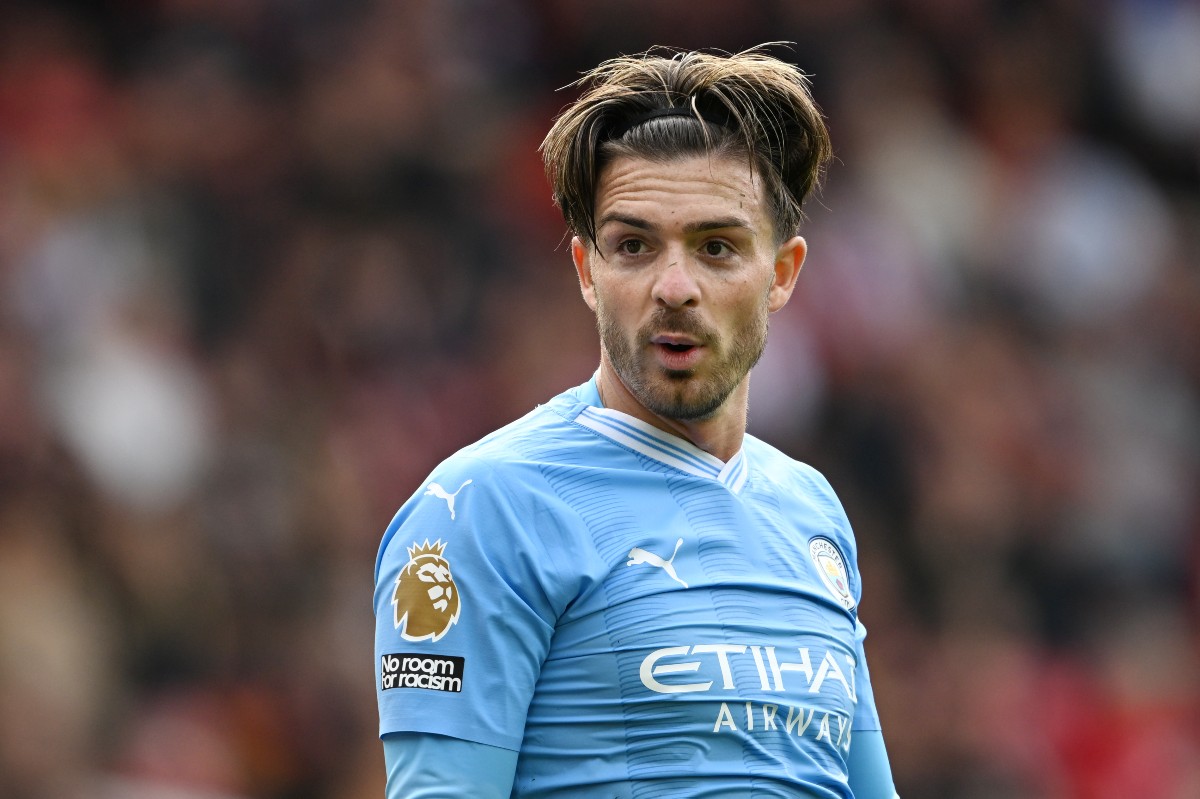
A move involving Jack Grealish and Ipswich Town is the kind of transfer idea that instantly splits opinion. On one hand, it sounds unrealistic given his profile, wages, and status. On the other, when you strip everything back and focus purely on football, there is a genuine tactical argument that he could completely transform how Ipswich play.
The key issue is not whether Jack Grealish is talented enough—because he is proven at the highest level. The real question is whether his style actually fits a team like Ipswich, and whether Ipswich could build a system that unlocks him properly.
The Player: Why Grealish Is So Unique
Jack Grealish is not a traditional winger and never has been. His game is built around control rather than chaos, even though he creates chaos for defenders. He thrives by:
- Carrying the ball under pressure in tight spaces
- Drawing fouls to relieve pressure and win territory
- Slowing the game down and dictating rhythm
- Creating overloads in wide or half-space positions
- Holding possession until the perfect pass opens up
At Aston Villa, he was the system. Everything went through him. If Villa needed to progress the ball, they gave it to Grealish. If they needed to calm the game, they gave it to Grealish. That level of responsibility made him one of the most influential players in the league.
At Manchester City, however, his role changed. Instead of being the main man, he became a controlled possession player in a system dominated by structure and passing patterns. That reduced some of his freedom but improved his tactical discipline.
Why Ipswich Would Be Tempted
For Ipswich Town, a club trying to establish itself at a higher level, Grealish would offer something they likely do not currently have: a true elite ball carrier who can dictate games.
In practical terms, his arrival would immediately change three key areas:
1. Ball Retention Under Pressure
Ipswich often face stronger opponents who press aggressively. Grealish would give them a reliable escape option who can hold the ball, absorb pressure, and win fouls.
2. Chance Creation Upgrade
Instead of relying only on structured team moves, Ipswich would gain a player who can create chances through individual action. That unpredictability is often what separates survival teams from mid-table stability.
3. Game Management
Grealish naturally slows games down when needed. That ability to control tempo is incredibly valuable for teams trying to manage periods of pressure.
The Tactical Problem Nobody Can Ignore
The biggest issue is not whether Grealish is good enough. It is whether Ipswich would control enough possession for him to be effective.
At Manchester City, he plays in a team that dominates the ball. At Ipswich, he would likely face:
- More defensive phases
- Fewer touches in attacking zones
- More counter-attacking situations
- Less space to operate in final third areas
That matters because Grealish is most effective when he is constantly involved. If he is isolated or starved of possession, his influence naturally drops.
What Ipswich Would Need to Do
For this move to truly work, Ipswich would need to adjust their entire style of play:
- More possession-based football instead of pure transition play
- Full-backs who provide width to free him inside
- Midfielders close enough to combine with him
- A tactical structure that builds attacks through him consistently
In other words, Ipswich would not just be signing Grealish—they would be rebuilding their attacking identity around him.
Final Verdict: Genius or Gamble?
From a pure football perspective, Grealish is absolutely capable of transforming Ipswich’s attacking quality. He would instantly become their most important player and raise their technical level significantly.
However, the success of the move depends on one crucial factor: system.
If Ipswich adapt their style to suit him, this could be a statement signing that changes their trajectory. If they don’t, it risks becoming a situation where a world-class talent is underused.
Either way, one thing is clear—Jack Grealish is not just a signing. He is a tactical decision that defines how a team wants to play.