In the high-stakes world of NBA roster construction, optics are everything. The Toronto Raptors have officially gone “all-in,” reuniting with superstar Kawhi Leonard to provide Scottie Barnes with the elite co-star he needs to chase a championship. The price tag for this reunion was staggering: Brandon Ingram, Gradey Dick, unprotected first-round picks in 2031 and 2033, multiple second-rounders, and a 2027 pick swap. To many, it was a king’s ransom—but compared to the baffling business conducted by the Boston Celtics, it might just be the steal of the summer.
The Jaylen Brown Paradox
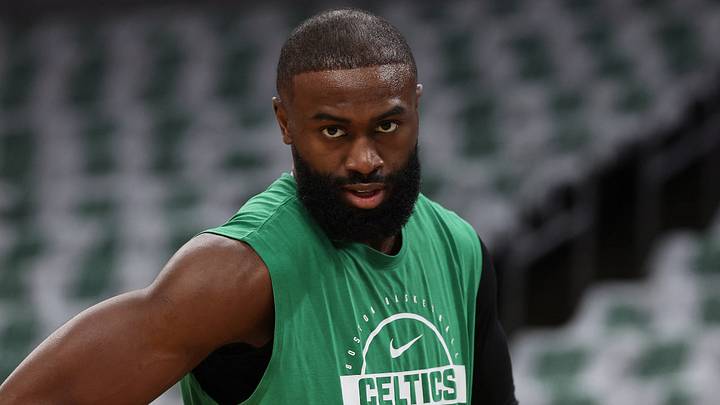
The trade market shifted violently this week when the Boston Celtics dealt superstar Jaylen Brown to the Philadelphia 76ers in exchange for a 36-year-old Paul George and a handful of future picks. The basketball world is still reeling from the move. Brown, a former Finals MVP who just averaged 28.7 points per game for a 56-win juggernaut, was shipped out for a return that can only be described as underwhelming.
The disparity between the two moves has ignited a firestorm of debate, most notably from industry veteran Bill Simmons. During a recent episode of his podcast, Simmons didn’t mince words regarding the relative costs of Leonard and Brown.
“How does Jaylen go for half as much as mid-thirties Kawhi, right?” Simmons remarked. “Your head goes there. Kawhi hasn’t won a playoff series in five years. Kawhi, with the Clippers, won two playoff series in seven years and missed more games than just about anybody other than Embiid the last six.”
Assessing the Risk: Can Kawhi Deliver?
Simmons’ skepticism is rooted in hard reality. Leonard’s injury history is well-documented, and his availability over the last half-decade has been notoriously spotty. By mortgaging their future—specifically those unprotected picks in the 2030s—the Raptors have placed their entire championship window on the health of a veteran entering his mid-thirties.
However, the Raptors’ front office is betting on a very specific outcome: a healthy Kawhi Leonard. When he is on the court, Leonard remains an elite force. Last season, he averaged 27.9 points on 50.5% shooting, complemented by 6.4 rebounds and nearly two steals per game over 65 appearances. If the Raptors can maintain that level of production and availability, Leonard and Scottie Barnes instantly transform into the most feared two-way duo in the Eastern Conference.
The Championship Calculus
The narrative in Toronto is simple: banners fly forever. While the price paid for Leonard looks expensive on paper, the Raptors believe he is the final piece of a puzzle that leads to a deep playoff run. If Leonard is healthy enough to propel the team toward title contention, the specific assets surrendered—including the long-term draft capital—will be viewed as a price worth paying.
Conversely, if the injury bug strikes and the team fails to capitalize on Scottie Barnes’ prime, this move will go down as one of the most disastrous gambles in franchise history. For now, the Raptors are choosing to chase greatness, while the Celtics are left to answer difficult questions about why they let a proven superstar walk for a fraction of his value. In the relentless arms race of the NBA, Toronto has made its move. Now, they just have to pray their superstar stays on the court.
Was trading a mountain of future assets for Kawhi Leonard a stroke of genius by the Raptors, or did they pay way too much for a player who can’t stay healthy? And just what were the Celtics thinking by trading Jaylen Brown for such a weak return? Let us know your take in the comments below!