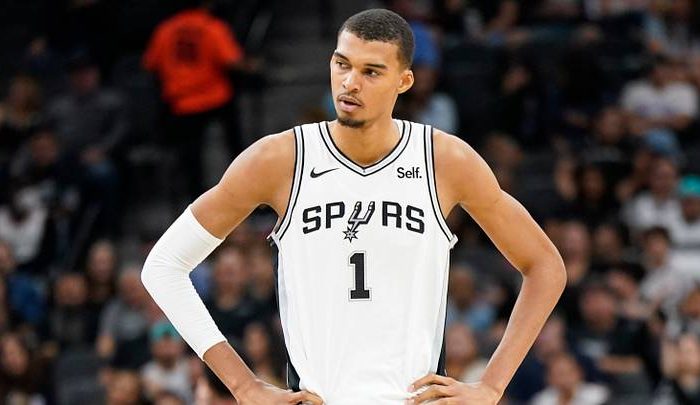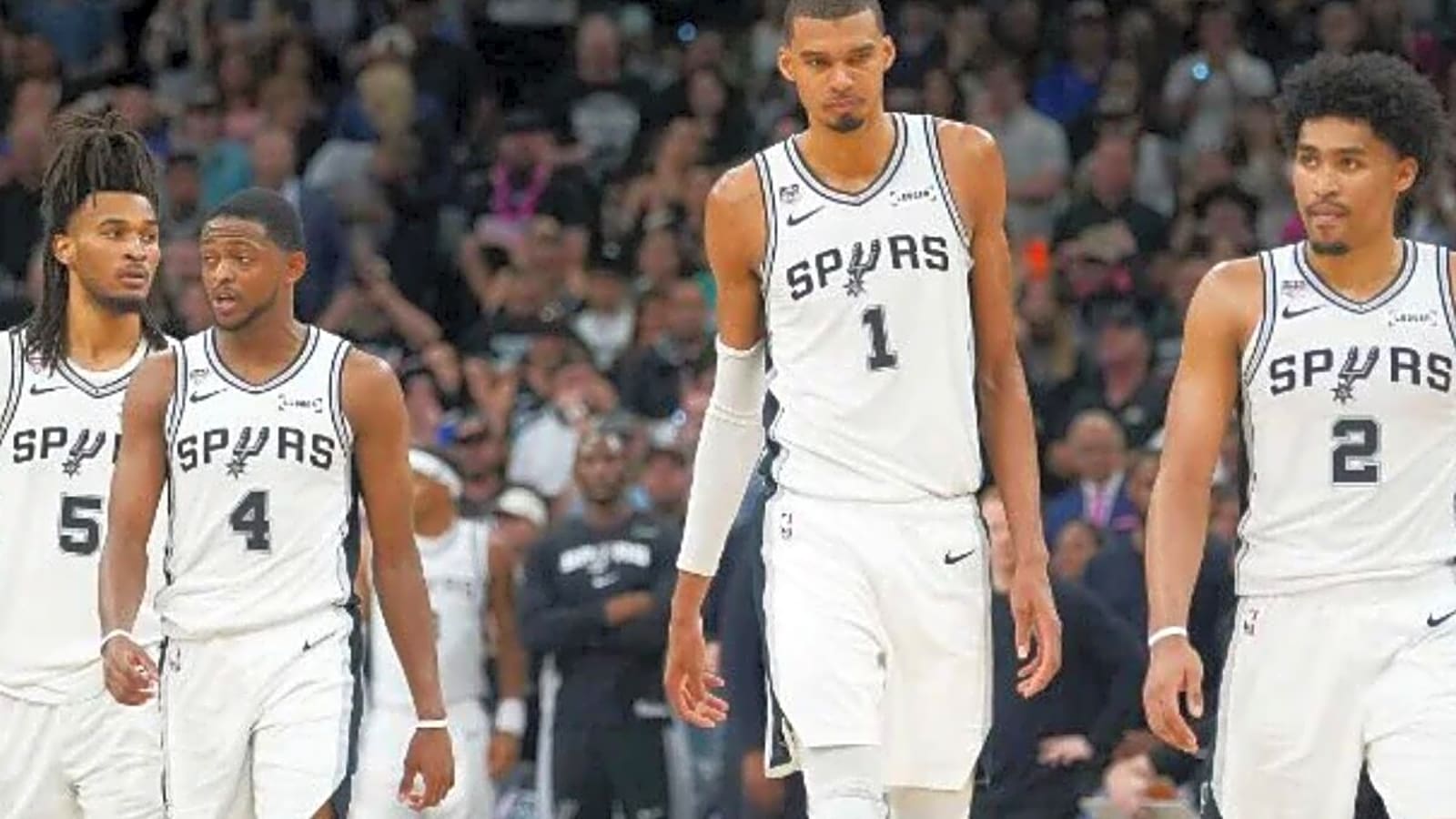
In a move that has sent shockwaves through the basketball world, Victor Wembanyama recently signed his rookie extension with the San Antonio Spurs, choosing to decline a clause that would have unlocked a lucrative supermax salary. While the immediate reaction across the league was one of awe at his selflessness, a deeper, more unsettling truth has emerged: the NBA’s new financial landscape is turning superstars into part-time general managers, and it’s a trend that could threaten the future of the league.
The $51 Million Statement
The math behind “The Alien’s” decision is staggering. By opting out of contract escalators that could have ballooned his deal, Wembanyama is effectively leaving $51 million on the table. His stated motivation? To give the Spurs the breathing room required to maintain a championship-caliber roster under the league’s punishing second-apron restrictions.
It is an act of pure, team-first leadership that has endeared him even further to the San Antonio faithful. As Carter Bryant recently noted, nobody who knows Wembanyama is surprised by this. He is a “winner” in every sense of the word, and he is willing to do whatever it takes to ensure the franchise remains a powerhouse for the next decade. But there is a massive problem with this reality: a player of Wembanyama’s caliber should never have to subsidize his own franchise’s payroll.
The “General Manager” Burden
The NBA’s latest Collective Bargaining Agreement (CBA) was designed to promote parity, but it has had an unintended—and potentially disastrous—consequence. It has effectively forced players to negotiate not just for their own worth, but on behalf of their entire roster. When a franchise is worth over $4 billion, it is difficult to justify why a 22-year-old generational talent—the literal face of the league—should be the one worrying about the financial penalties of the second apron.
The disturbing truth is that the league is shifting the burden of roster construction from the front office to the athletes themselves. If a team like the Spurs gets their drafting and development right, they should be rewarded. Instead, they are being punished by a system that makes it financially impossible to keep an organically built team together unless the franchise player agrees to take a significant pay cut. This creates a dangerous precedent: superstar players are now forced to choose between their own deserved market value and the viability of their team’s title window.
The NBPA Strikes Back
The National Basketball Players Association (NBPA) is rightfully sounding the alarm. Executive Director David Kelly has made it clear that the union is deeply concerned that Wembanyama’s sacrifice will be weaponized by team owners against other stars during negotiations. If a superstar “does it for the team,” why shouldn’t everyone else?
The union is already signaling that they plan to lobby the NBA to “soften” the second-apron restrictions, and if that doesn’t happen, they have made it clear they are prepared to opt out of the current CBA as early as October 2028. We are hurtling toward a high-stakes showdown that could fundamentally alter the NBA’s financial structure.
The Verdict: A League at a Crossroads
Wembanyama is being lauded for his character, and rightly so. He has proven that he is the rare superstar who values hardware over bank balance. However, the NBA cannot build its future on the expectation that its stars will routinely leave tens of millions of dollars on the table to fix a broken system.
When the league’s top-five player is effectively the 25th highest-paid athlete—falling behind role players and mid-tier stars—the system isn’t working as intended. San Antonio is lucky to have a leader who prioritizes the team above all else, but for the rest of the NBA, the message is clear: if the league doesn’t fix its financial machinery, the very stars who make the NBA great may soon demand a radical change to how they are compensated.
NBA Fans: Is Victor Wembanyama setting a dangerous precedent, or is this the new reality for any player who wants to win a title? Should the NBA overhaul the second apron to stop punishing teams for building successful rosters? Share your take in the comments below!