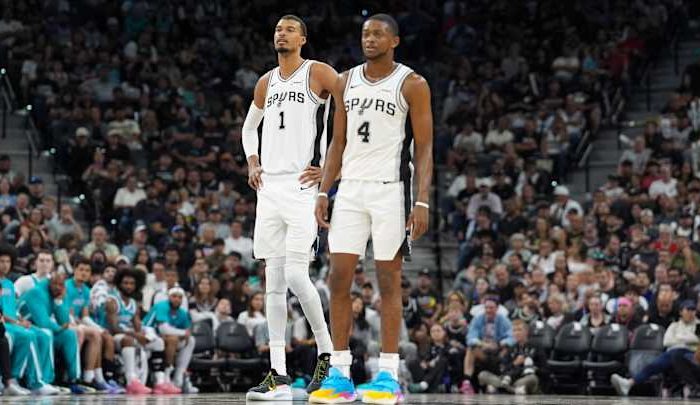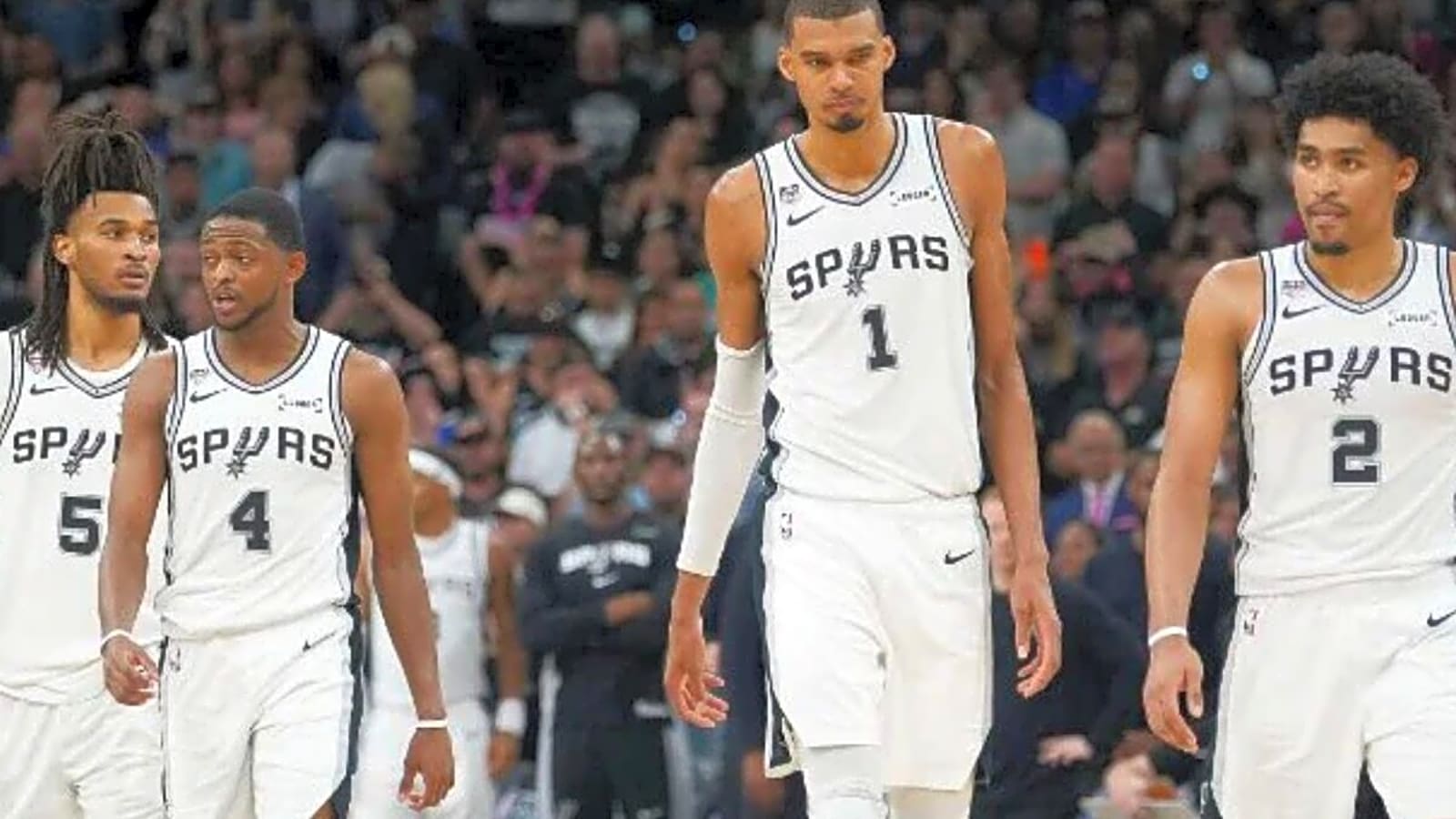
In a move that has sent shockwaves through the league and ignited a fierce debate about player compensation, San Antonio Spurs phenom Victor Wembanyama has opted to leave a staggering $51 million on the table. By signing a five-year, $252 million rookie-scale extension that falls well below his maximum earning potential, Wembanyama has essentially bet on himself—and his team’s championship future. While the move is being hailed by some as a selfless, “heroic” push for a ring, the response from some of the biggest voices in sports media has been nothing short of scathing.
The “Bad Precedent” Controversy
The criticism was swift and brutal. ESPN’s Kendrick Perkins, never one to shy away from a bold take, slammed the 22-year-old’s decision, arguing that it fundamentally undermines the labor standards of the NBA.
”In no other workspace are people asked to take a pay cut,” Perkins argued, highlighting the reality that the NBA is a job, not just an entertainment spectacle. “I have never given advice to young players to say, ‘Hey, leave a dime on the table.’ A guy like Wemby, who is selling jerseys, putting butts in seats, and bringing San Antonio back to relevance—I think it is a bad decision.”
Perkins is joined by ESPN colleague Vince Goodwill, who fears that Wembanyama’s choice sets a dangerous, long-term precedent. The core of their argument is that superstars taking “team-friendly” discounts inadvertently pressures role players and younger stars—like Wembanyama’s teammates Stephon Castle and Dylan Harper—to follow suit.
”I hate it because ain’t neither one of us sitting here is going to leave money on the table,” Goodwill remarked. “It sets a bad precedent for the NBA. [Players] have a very finite period of time to maximize their earning potential.”
Can Money be Bought?
The concern from analysts isn’t necessarily that Wembanyama is being “cheap.” It is the fear that superstars are inadvertently letting ownership groups off the hook. By sacrificing personal earnings, the argument goes, Wembanyama is providing the Spurs with financial flexibility they shouldn’t technically need, rather than forcing the organization to handle the burden of salary cap management.
It is a classic “superstar vs. owner” tug-of-war. Critics argue that when the game’s greatest talents take less money, they aren’t just helping their team; they are potentially devaluing the market for every other player behind them.
Why Wemby is Doing It
However, looking past the fiscal outrage, the motive is transparent: championship glory. Wembanyama has tasted the intensity of a title push and, despite coming up short, he is clearly convinced that the Spurs are on the precipice of a dynasty. In the modern NBA, where the salary cap is more restrictive than ever, holding a core together is a financial jigsaw puzzle. By taking less, Wembanyama is buying the Spurs the room to surround him with the elite-level support required to dethrone the current giants of the league.
Is it a “heroic” sacrifice, or is it a damaging blow to player empowerment? That depends on who you ask. To the fans dreaming of a championship parade in San Antonio, Wembanyama is a martyr for the cause. To the labor purists and analysts, he is a superstar who has just made it significantly harder for the next generation of players to demand the massive contracts they deserve.
Regardless of where you stand, one thing is clear: Victor Wembanyama is playing by his own set of rules. He isn’t just trying to be the greatest player in the world; he is trying to build a culture in San Antonio that values rings over everything else—even if it costs him $51 million to get there.
NBA Fans: What do you think about Wembanyama’s decision? Is it the ultimate sign of a leader willing to do whatever it takes to win, or are Perkins and Goodwill right that players should NEVER leave money on the table? Drop a comment below and tell us if you think this discount will actually lead to a Spurs title!