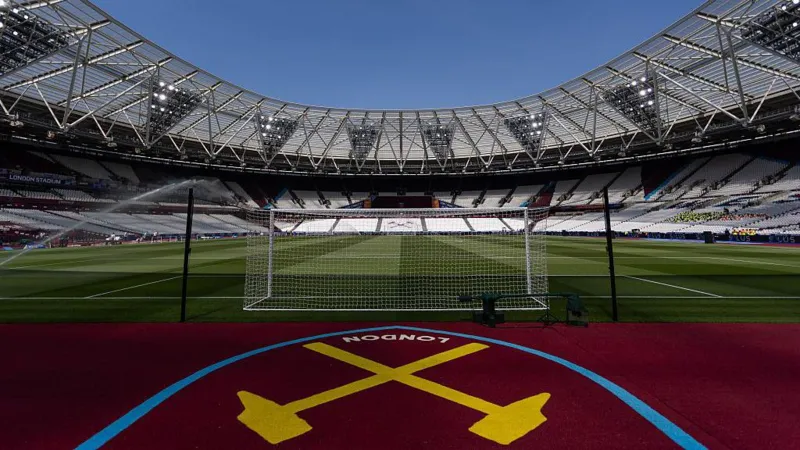
The long-term financial fallout surrounding the London Stadium has reached a boiling point, with city officials revealing that taxpayers are being left on the hook for a staggering £19 million operating loss every single year.
The staggering financial figures were brought to light during a tense London Assembly meeting, where the complex realities of the 99-year tenancy agreement signed by West Ham United back in 2013 were dragged back into the spotlight. With the club suffering a painful relegation from the Premier League last season, the controversial contract has triggered an automatic rent reduction, rubbing salt into the wounds of the capital’s taxpayers.
A Legacy Deal Haunting City Hall
The agreement, originally struck under then-mayor Boris Johnson, made West Ham the long-term anchor tenants of the former Olympic venue following the 2012 London Games. However, the contract has faced relentless criticism over the years for heavily favoring the football club while leaving public authorities holding an immense financial burden.
Under the terms of the original 99-year lease—which notably features zero break clauses on City Hall’s side—West Ham previously contributed an annual rent of £4.6 million. Following their drop down to the Championship, however, a relegation clause kicked in, slashing that contribution by more than half.
Lyn Garner, who chairs London Stadium LLP—the body established to manage and oversee the venue—did not mince words when addressing the London Assembly.
”We are going to finalise the accounts at around a £19 million operating loss,” Garner stated during the committee hearing. “This is not unusual. It’s been in this ballpark for some time.”
Garner explained that the 2025–26 financial year proved particularly brutal for the venue’s revenue streams, hampered heavily by hosting only two major summer concerts. While non-football events like music gigs and athletics tournaments are critical for offsetting the massive upkeep costs of operating the stadium, the lack of a packed summer concert calendar severely dented the books.
A “Tense” Relationship and Binding Contracts
Describing the relationship between stadium management and the football club as historically “tense,” Garner admitted that she would “absolutely not” sign the current agreement if presented with it today. Disagreements over contractual interpretations have frequently boiled over into legal disputes, driven largely by the immense pressure placed on public finances.
”It’s a very good contract for West Ham United. Well done, is what I say, in terms of the original negotiation—it causes pressures and tensions,” Garner told assembly members. “It doesn’t matter whether it’s fair or not. A commercial deal was done, and we’re in a contract, and we must honour it. I’d like to see the whole thing set aside and to start again, but I can’t see that happening.”
Current London Mayor Sir Sadiq Khan has repeatedly placed the blame squarely on his predecessor for failing to secure a better financial deal for the city when the stadium was initially repurposed. Despite invitations sent out by the committee, neither former mayor Boris Johnson nor West Ham’s new interim chief executive officer, Karim Virani, were able to attend the hearing.
Five-Point Plan to Stop the Bleeding
With public frustration mounting over the annual £19 million drain on taxpayer funds, stadium operators have laid out a five-point mitigation strategy aimed at turning the venue’s financial tide around:
- Relocating WHUFC Women: Moving the club’s women’s team matches to the London Stadium at the club’s expense, though officials noted ongoing discussions regarding contractual mechanics and associated costs.
- Expanding Event Caps: Seeking formal permission to host a higher volume of major non-football events. Currently, Newham Council caps the stadium at just 10 non-football events annually—a stark contrast to the 50 events permitted at state-of-the-art venues like the Tottenham Hotspur Stadium.
- Aesthetic Overhauls: Transitioning the interior bowl seating from its current look to claret, creating an environment that feels more intimate and distinctively “West Ham.”
- Commercial Land Exploitation: Developing the surrounding land for food, beverage, and leisure ventures to drive year-round non-matchday revenue.
- Strategic Naming Rights: Pausing immediate sales to prepare for marketing lucrative stadium naming rights once West Ham successfully fights its way back to the Premier League, avoiding an under-valued long-term agreement while the club is in the Championship.
As London Stadium officials grapple with the immediate financial fallout of West Ham’s relegation, the ongoing saga serves as a stark reminder of the long-term commitments tying public authorities to elite football economics.