Nottingham Forest have made plenty of bold decisions since returning to the Premier League, but one transfer that divided supporters in 2023 is now being viewed in a completely different light.
At the time, many fans questioned whether the club had made a huge mistake by allowing academy graduate Brennan Johnson to leave. Three years later, however, that controversial sale is beginning to look like one of the smartest pieces of business in Forest’s modern history.
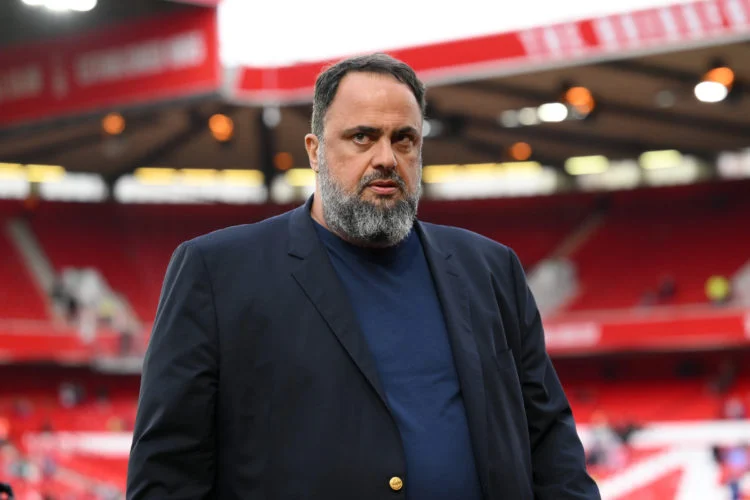
Club owner Evangelos Marinakis faced fierce criticism when Forest accepted a deal worth £47.5 million from Tottenham Hotspur for one of the club’s brightest homegrown stars. Johnson had become a fan favourite after helping Forest secure promotion to the Premier League and establishing himself as one of England’s most exciting young attackers.
Supporters believed the Welsh international was destined to become the face of the club for years to come.
Instead, Forest cashed in.
The decision was influenced by the Premier League’s Profit and Sustainability Rules (PSR), with the club needing to balance the books while continuing to strengthen the squad. Selling an academy graduate represented pure profit on the financial accounts, giving Forest greater flexibility in future transfer windows.
Although many supporters reluctantly accepted the financial reasoning, few believed the timing was right.
Fast forward to 2026, and the picture looks dramatically different.
Johnson enjoyed moments of success during his time at Tottenham, including helping the London club lift the Europa League trophy. However, despite flashes of quality, he never fully established himself as one of Spurs’ indispensable players.
His stock gradually declined before another move arrived.
Crystal Palace decided to take a chance on the winger during the January transfer window earlier this year, hoping a fresh environment would help him rediscover the form that made him one of the Premier League’s most exciting young prospects.
That gamble has failed to produce the desired results.
Reports now suggest Palace are already prepared to move Johnson on after only a short spell at Selhurst Park, with Everton emerging as his most likely destination. A proposed swap deal involving Dwight McNeil would allow both clubs to reshape their squads without a significant financial outlay.
For Johnson, it represents another opportunity to revive a career that has stalled over the past two seasons.
For Nottingham Forest, however, every new development only strengthens the argument that selling him when they did was the correct decision.
Forest didn’t simply collect £47.5 million and stand still.
The club reinvested intelligently, bringing in players capable of strengthening multiple areas of the squad while maintaining financial stability under increasingly strict Premier League regulations.
Recruitment has become one of Forest’s biggest strengths.
Over recent seasons, the Reds have consistently generated significant profits through player sales, with departures involving Moussa Niakhaté, Orel Mangala, Anthony Elanga and Elliot Anderson helping the club remain compliant with financial regulations while continuing to improve the squad.
That strategy has allowed Forest to compete aggressively in the transfer market without placing the club under unnecessary financial pressure.
Johnson’s departure also created opportunities for other attacking players.
Anthony Elanga and Callum Hudson-Odoi were both integrated into the squad, providing pace, creativity and attacking flexibility while helping Forest continue progressing under changing managerial leadership.
Now, with Oliver Glasner overseeing another exciting rebuild and major additions arriving during the current transfer window, the club appears stronger than ever.
The imminent arrival of highly-rated defender Ousmane Diomande highlights Forest’s growing ambition, while the club continues searching for further reinforcements capable of pushing them towards European qualification once again.
Looking back, Marinakis’ decision required courage.
Selling one of the club’s most popular academy graduates was never going to be welcomed by supporters in the moment. Emotional attachment often makes those transfers the hardest to accept, particularly when the player represents the club’s identity.
But successful football clubs are often built on difficult decisions rather than emotional ones.
Forest recognised that Johnson’s market value had likely reached its peak and acted decisively before circumstances changed.
With the winger now facing another career crossroads and Everton potentially offering him one final opportunity to reignite his Premier League career, Forest’s £47.5 million sale increasingly resembles outstanding business.
Sometimes the smartest transfer isn’t the player you sign.
Sometimes it’s knowing exactly when to sell.
Three years after one of the most controversial decisions of the Marinakis era, Nottingham Forest may finally be seeing the full rewards of a transfer that looked painful at the time—but now stands as a genuine masterclass in long-term planning.