The seismic shifts behind the scenes at West Ham United are showing no signs of slowing down. Just as the dust begins to settle on a turbulent summer transfer window, a massive corporate development has completely reshaped the future of the Championship club.
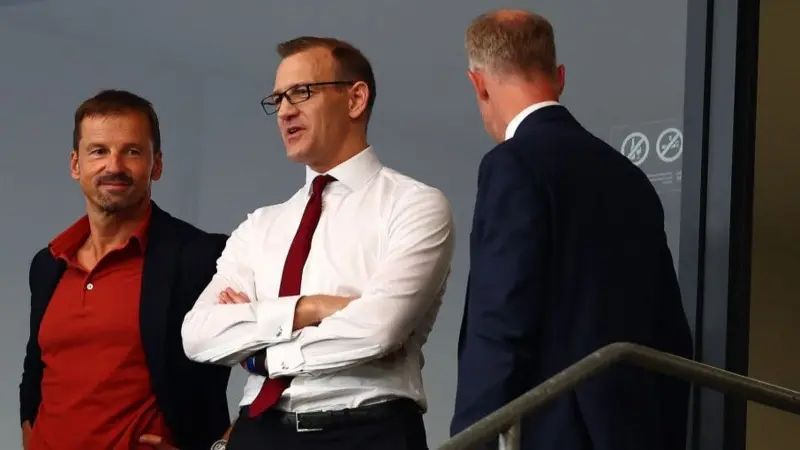
Czech billionaire Daniel Kretinsky has struck a blockbuster agreement that will see him dramatically increase his stake in the club to 46 per cent, solidifying his position as West Ham’s largest shareholder.
According to leading BBC football news reporter Simon Stone, the Royal Mail owner successfully negotiated a deal with the club’s remaining major power-brokers—including former chairman David Sullivan—over the 25 per cent block of shares previously owned by the Gold family.
The high-stakes corporate maneuver effectively brings an abrupt halt to former Newcastle United director Amanda Staveley’s heavily publicized pursuit of a West Ham takeover, upending months of speculation regarding the club’s ownership horizon.
The Pre-Emption Battle That Blocked Staveley
The dramatic corporate showdown was triggered earlier this summer when co-chair Vanessa Gold announced an agreement to sell her entire 25.1 per cent stake in the club to Staveley’s consortium. That agreement immediately activated West Ham’s complex pre-emption rights process, a strict institutional mechanism designed to give existing directors and major shareholders first refusal on any significant share transfer.
While Staveley was recently spotted enthusiastically celebrating in the stands during West Ham’s 4-2 victory over promotion rivals Wolves—and later teasing a “very much so” response when asked about continuing her takeover bid—the pre-emption rules ultimately swung the pendulum back in favor of the current hierarchy.
Before the strict deadline expired, existing stakeholders triggered their rights. As a result, Kretinsky has secured a massive chunk of the Gold family shares, pushing his personal ownership stake to 46 per cent. At the same time, David Sullivan’s stake will rise from 38.8 per cent to 40 per cent, despite the former chairman having resigned from his executive duties in June amid ongoing regulatory scrutiny.
Meanwhile, a third major shareholder, Tripp Smith, will see his ownership increase to 11 per cent, leaving outside parties with a minor 3 per cent share. The sweeping consolidation effectively locks Staveley and her financial backers out of the process, leaving her prospective takeover dead in the water.
Regulatory Scrutiny and Silence From the Boardroom
While the boardroom power struggle has reached a definitive turning point, questions and complications linger around the edges of the club.
David Sullivan’s ongoing status at West Ham remains under active observation by the Independent Football Regulator (IFR). The regulatory body’s enquiries into his suitability under the Owners’, Directors’ and Senior Executives (ODSE) regime are ongoing, though sources indicate that this latest share consolidation will not trigger an immediate expansion of that specific examination.
True to form, West Ham United as an organization, alongside Kretinsky, Gold, and Sullivan, have maintained a strict wall of silence, declining to issue any official public comments while the corporate transition finalizes its course.
For supporters, the resolution of the ownership saga brings a degree of financial clarity, even as the club navigates a demanding campaign on the pitch under Nuno Espírito Santo. With Kretinsky now firmly entrenched as the undisputed primary stakeholder, the heavyweights behind the scenes are locked in for the long haul as the Hammers chase an immediate return to the Premier League.