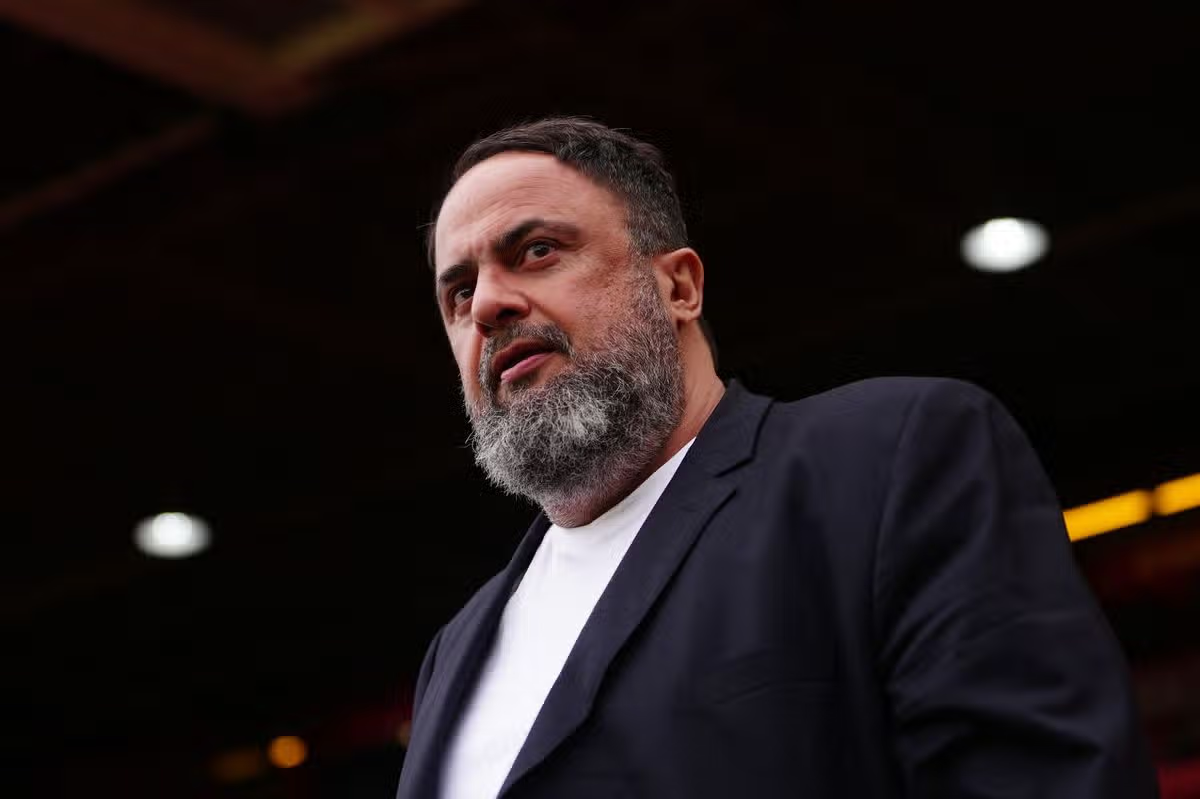
Nottingham Forest manager Oliver Glasner has joked that he might just go down in history as the first boss to actively save owner Evangelos Marinakis money rather than demand endless funds. Following a relatively quiet transfer deadline day on Trentside, attention has turned to how Forest navigated the final hours of the window—and why the club deliberately chose restraint over panic.
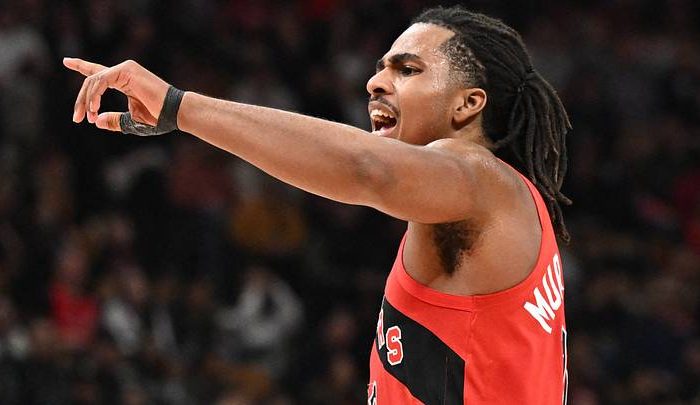
While the summer window saw five new permanent faces arrive—alongside Gustavo Sa, who immediately headed out on loan to Olympiacos—Forest opted against rushing into late, ill-advised acquisitions when alternative deals fell through. Despite missing out on late targets like Everton’s Harrison Armstrong (after a fan backlash prompted the Toffees to pull the plug), Liverpool youngster Trey Nyoni, and versatile Newcastle United winger Jacob Murphy, Glasner firmly slammed the brakes on any frantic last-minute business.
The Dangers of Panic Buying and the Value of Consistency
Reflecting on his interactions with the boardroom as the clock ticked down on deadline day, Glasner revealed that ownership was more than willing to back him if he wanted extra bodies. However, the Austrian coach insisted that impulse signings go against everything he is trying to construct at the City Ground.
“They said, ‘Do you want a player here? Do you want a player here?’ I said, ‘no’,” Glasner explained.
“I completely trust the squad we have. I completely trust the players we have. It’s now not adding a player in a rush or panicking because we lost against Leeds. Sometimes you get influenced by the last result. We need a mid-term strategy.”
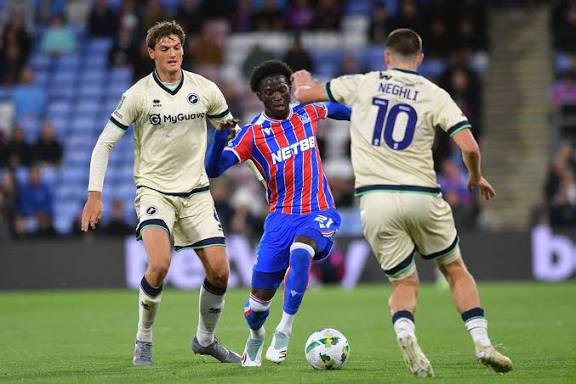
Glasner emphasized that long-term success in the Premier League is built on tactical consistency and squad harmony rather than tearing up the dressing room and cycling through ten new players every window. By retaining a core group of players who bleed for the badge and adding calculated, high-profile pieces like Xaver Schlager, Ousmane Diomande, Steven Benda, Liam Delap, and Daniel Muñoz, Forest are striving for sustainable growth.
The manager also highlighted unexpected internal surges, praising players like James McAtee for stepping up brilliantly, while acknowledging that natural squad evolution is simply part of football’s ecosystem.
Looking Ahead to January and Protecting the Core
Rather than throwing money at a replacement profile just for the sake of spending, Glasner preferred to keep the funds in the bank.
“Let’s save (the money) now, let’s assess and if we believe in January—it is just four months, we are not talking about decades—then we are 100 per cent prepared,” Glasner said.
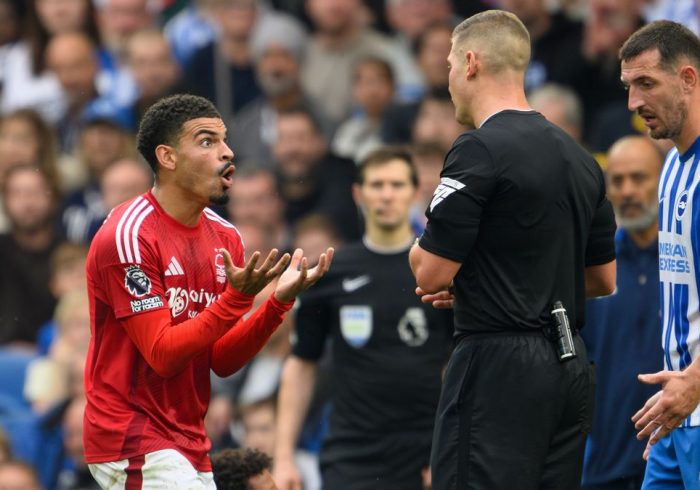
For the Forest boss, keeping the core dressing room intact was every bit as crucial as any arrival. While Elliot Anderson’s massive £116 million departure to Manchester City proved that elite clubs can always test the market, Glasner stressed that a non-verbal agreement exists among the hierarchy to protect foundational assets like Morgan Gibbs-White, Neco Williams, and Murillo.
By building a wide, stable core step-by-step and keeping meticulous planning at the forefront, Forest are aiming to ensure that every future euro or pound spent punches well above its weight. With the window now closed and focus shifting squarely toward on-field battles, Glasner’s measured, calm approach has set a clear tone for the season ahead.