Football is rarely just about twenty-two players kicking a ball across a patch of grass; at its core, it is an intense psychological theater where the invisible forces of momentum and stadium atmosphere can dictate the destiny of a match. A fascinating post-match fallout has emerged following a dramatic encounter where a side squandered a hard-earned 2–1 advantage, with insiders pointing the finger not just at tactical errors, but at the suffocating psychological weight of a relentless, echoing chant from the stands.
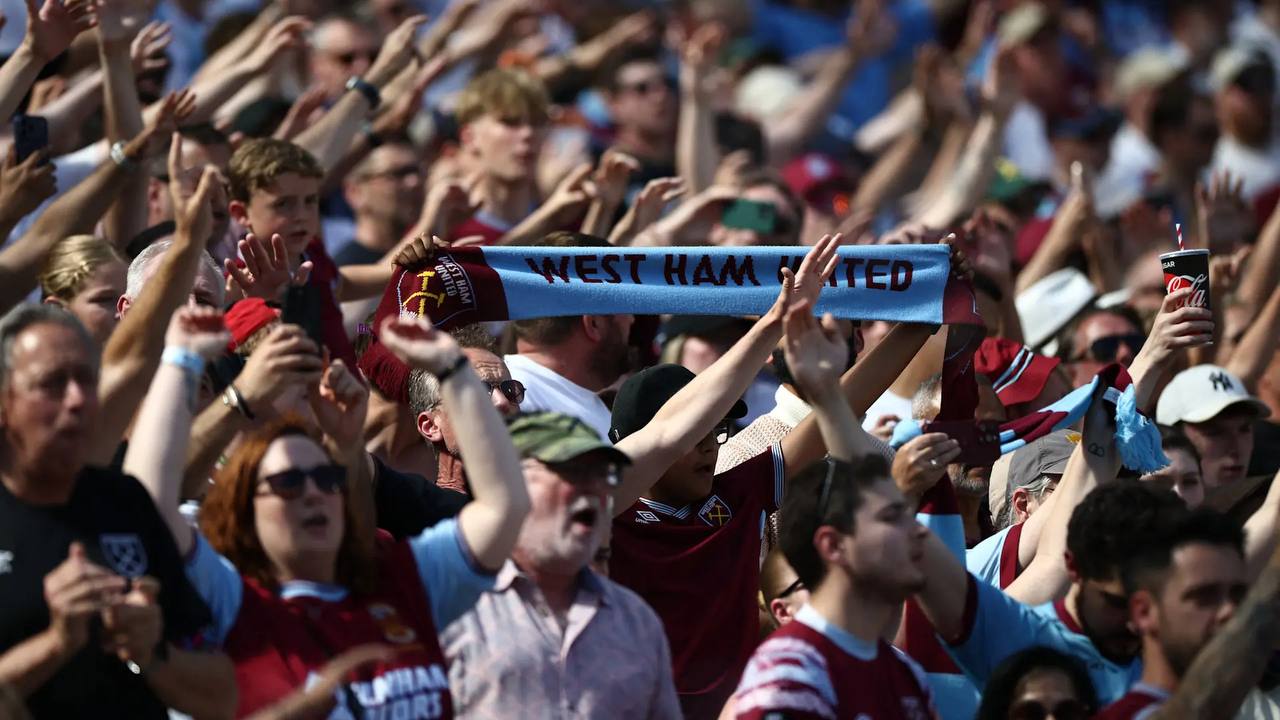
When a team fights its way into the lead, the objective should be simple: control possession, slow the tempo, and squeeze the life out of the opponent’s counter-attacking ambitions. But matches can pivot on a razor’s edge. As the home crowd realized their team was slipping behind, the volume inside the stadium reached a fever pitch, transforming a routine sporting fixture into an intimidating pressure cooker.
When Background Noise Becomes Psychological Warfare
According to post-match reactions from within the camp, the sheer frequency and volume of a specific chant from the stands directly fractured the team’s concentration. At 2–1, composure is the ultimate currency. Instead of dictating the pace, the players began to look visibly unsettled as every repetition from the terraces echoed around the ground like a ticking clock.
Every tackle was cheered with ferocious intensity, every misplaced pass was magnified under the microscope of an expectant crowd, and every attacking surge from the opposition suddenly felt like an existential threat. The players admitted that the constant rhythm of the chanting bled onto the pitch, altering their perception of time and space, sapping their rhythm, and ultimately killing their momentum.
This phenomenon lays bare the brutal reality of protecting a narrow lead in modern football. When a stadium turns into a wall of noise, fragile structures can crumble in seconds. The opposition does not need five clear-cut openings to punish a lapse in concentration; they only need one poor defensive decision, one loose pass in midfield, or one moment of collective panic. And once that 2–1 lead slips through your fingers, regaining control becomes an uphill battle.
The Ultimate Responsibility Returns to the Pitch
While supporters undoubtedly possess the power to shape the emotional climate of a match, the eternal debate in football remains: where does fan influence end and player accountability begin?
Fans can intimidate opponents, lift their own heroes, and create a cauldron of noise, but they cannot decide how a defender positions his body, nor can they control whether a midfielder tracks back to shut down a dangerous run. When a team holds a winning advantage, that is precisely when leaders must stand tall. It is the moment for the captain to demand the ball, for the goalkeeper to command his penalty area, and for the entire unit to anchor themselves against the rising tide.
The strongest sides in football are not defined solely by how brilliantly they play when everything is going their way. True contenders are separated from the pack by their ability to remain ice-cool when the environment around them descends into absolute chaos.
Whether the chant was genuinely responsible for the collapse or simply served as a convenient scapegoat for a defensive failure will continue to spark fierce debate among supporters. But one thing is certain: a 2–1 advantage evaporated into thin air, and a team learned a painful lesson in sports psychology. Next time the hostile chants ring out, they will need a much stronger mental shield to ensure history doesn’t repeat itself.