Leeds United’s exhilarating early-season momentum came crashing down to earth in brutal fashion on Wednesday night, suffering a resounding 6-3 defeat against Chelsea at Stamford Bridge to exit the EFL Cup.
For 45 minutes, travelling supporters were daring to dream. When Brenden Aaronson fired home Leeds’ second goal early in the second half, the away end was transported back in time, envisioning a first victory at Stamford Bridge in 27 years. Instead, the match dissolved into a harrowing defensive nightmare as Chelsea ran riot, putting six goals past a fragile Leeds backline after the interval.
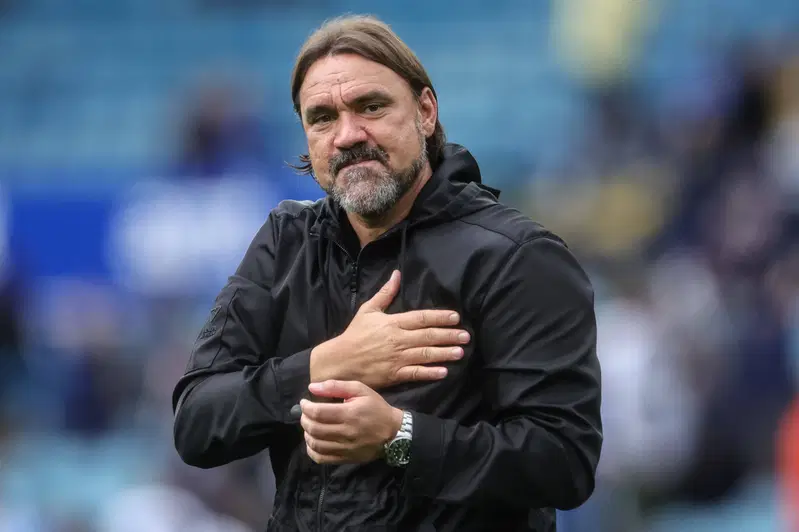
While manager Daniel Farke will rightly point to individual errors and defensive lapses across the pitch, the heavy defeat in West London did something far more damaging: it brutally exposed the financial limitations and questionable recruitment decisions made by the 49ers ownership group during the final stretches of the summer transfer window.
Cheap Solutions Backfire on the Big Stage
As the frantic window drew to a close, Leeds opted for cost-effective additions to round out their squad, but Wednesday night proved that bargain-hunting on the cusp of the Premier League can carry a devastating price tag.
Chief among the problem areas was the performance of backup goalkeeper Michael Zetterer. Arriving late in the window on a permanent £4.3 million deal from Eintracht Frankfurt to serve as the club’s new number two, Zetterer endured an absolute nightmare between the sticks on his debut. His positioning, distribution, and shot-stopping were severely called into question, with up to half of Chelsea’s six goals appearing entirely preventable had a more competent, Premier League-ready presence been guarding the net.
Reports indicate that Leeds had other viable options on the table, but the hierarchy ultimately pulled the trigger on a budget-friendly alternative who looked thoroughly overwhelmed by the relentless pace and physical intensity of English football.
The thriftiness wasn’t isolated to the goalkeeping department. Melvin Bard was brought in on loan to provide cover at full-back, yet his performance against Chelsea was decidedly average, offering little evidence that he can genuinely push Gabriel Gudmundsson for a regular starting berth. Meanwhile, recent arrival Jean-Mateo Bahoya remained completely unused on the bench. If a marquee young signing is deemed unready to feature in a high-stakes EFL Cup fixture against elite opposition, valid questions will inevitably be asked about when he will ever be deemed fit for the physical rigors of the Premier League.
Dangerous Squad Gaps Threaten Leeds’ Campaign
The fallout from Stamford Bridge leaves Daniel Farke walking a very precarious tightrope. Zetterer’s alarming horror show means Leeds are now terrifyingly dependent on record signing James Trafford. Any injury or suspension to Trafford would instantly trigger severe panic in the dressing room, as it is difficult to fathom Farke trusting the German backup in a high-pressure league fixture.
Furthermore, the lack of depth is stark. Bard’s underwhelming display magnifies the importance of keeping Gudmundsson entirely fit for the remainder of the campaign. Compounding these structural worries is a glaring lack of proven center-forward depth; behind talisman Dominic Calvert-Lewin, the squad lacks a proven goalscorer capable of shouldering the burden if injuries strike.
The 49ers ownership group has brought plenty of ambition and financial stability to Elland Road, but Wednesday night served as a sharp, painful reminder that cutting corners in the transfer market can bite back when it matters most. As Leeds prepare to dust themselves off for a grueling Premier League schedule, closing those squad chasms must become priority number one.