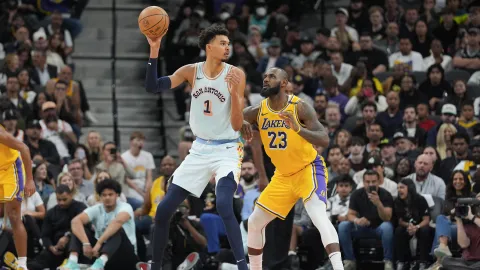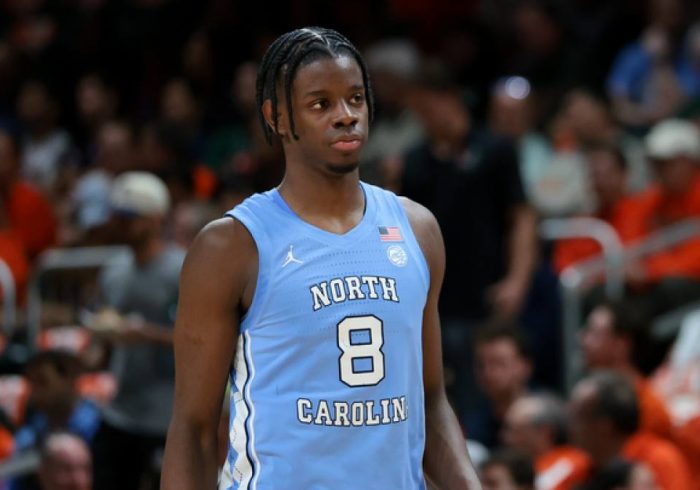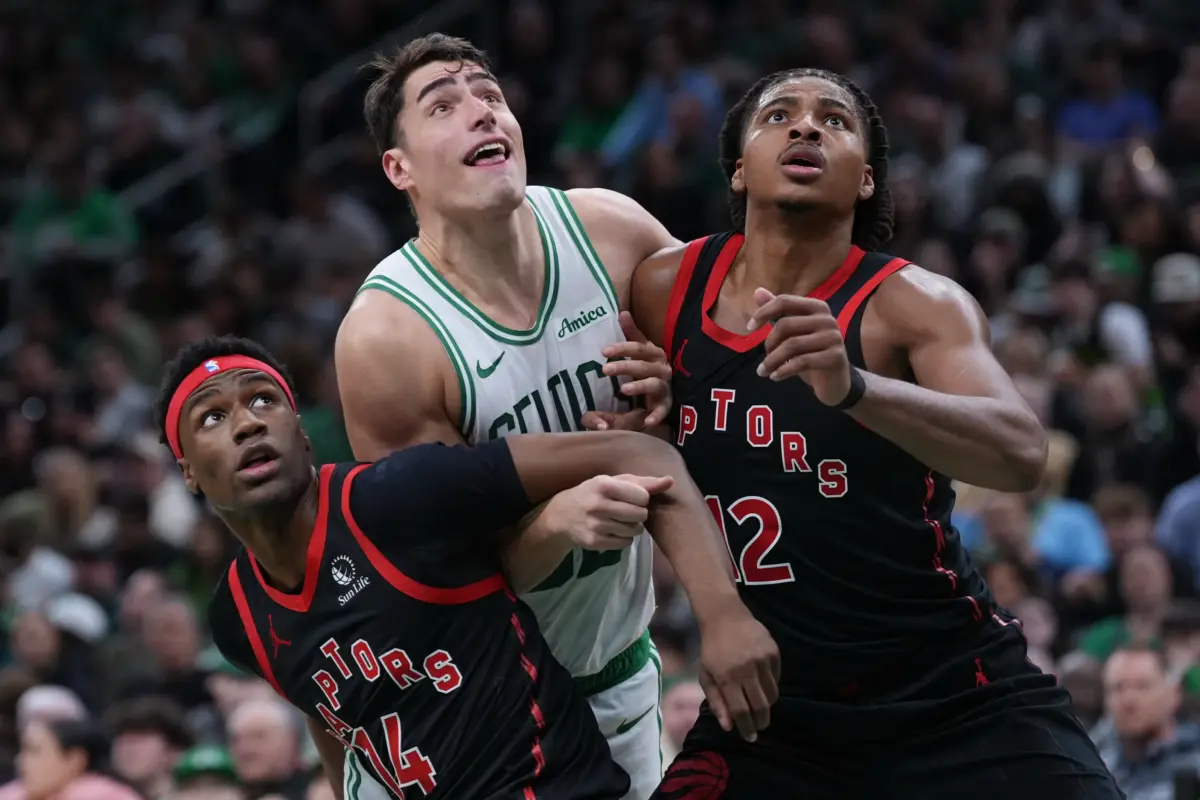
With a star-studded starting lineup anchored by the blockbuster arrival of Kawhi Leonard, the Toronto Raptors have rightly dominated summer headlines. But while everyone is fixated on the marquee names at the top of the roster, the real key to Toronto’s ceiling this season lies in the shadows. Beneath the starting five, a remarkably well-defined, versatile bench unit is quietly taking shape—and it just might be the missing piece that separates a good team from a true title contender.
For years, the Raptors’ second unit has felt like a revolving door of experimental lineups and desperate matchups. Heading into the 2026–27 campaign, however, head coach Darko Rajaković finally has something his predecessors lacked: clarity, balance, and legitimate foundational depth.
The Core Four: Consistency in a Chaotic League
Every great rotation needs an anchor, and Toronto’s second unit is built around a rock-solid “Core Four” whose roles will remain entirely stable regardless of the opponent. Comprising Jamal Shead, Collin Murray-Boyles, Allen Graves, and Ja’Kobe Walter, this quartet brings distinct, complementary skill sets that translate across any style of play.
At the point, Jamal Shead continues to establish himself as the undisputed heartbeat of the reserves. His relentless defense, high-IQ playmaking, and unwavering availability provide the second unit with vital structure and calm. Whether he’s hunting steals or orchestrating the offense, Shead ensures the floor never tilts out of control when the starters sit.
In the frontcourt, the pairing of Collin Murray-Boyles and Allen Graves offers a fierce defensive anchor behind Jakob Poeltl. Combining switchability, tireless rebounding, and high-energy hustle, this duo holds its own against everything from bruising traditional lineups to hyper-athletic small-ball units. Neither player relies on favorable matchups to make an impact; they simply bring the grunt work every single night.
Rounding out the core is Ja’Kobe Walter, whose role is as straightforward as it is vital. Operating in a textbook 3-and-D capacity, Walter’s value multiplies exponentially alongside Leonard’s gravity on the floor. His nightly assignment is simple: lock down his assignment on the perimeter and punish defenses by knocking down open triples.
The Situational Chess Pieces
Beyond the core four sits a layer of flexible, high-upside weapons whose minutes will fluctuate depending on the tactical needs of any given night. This is where Rajaković gains genuine tactical optionality.
Sharpshooter Jamison Battle headlines this group, capable of completely tilting a game with his shooting gravity—as evidenced by his blistering 14-point, 5-for-5 shooting explosion off the bench last spring. Alongside him, veteran addition Kyle Anderson brings invaluable size and cerebral playmaking to help patch over frontcourt minutes, while Trayce Jackson-Davis continues to flash high-level per-minute production whenever his number is called.
While these players won’t see traditional starter minutes every night, their specialized skill sets give the coaching staff emergency buttons to push when games get tight or specific matchups demand a shakeup.
Why This Depth Changes Everything
In the grueling Eastern Conference, a top-heavy roster is a ticking time bomb. Foul trouble, nagging injuries, and grueling playoff series eventually expose teams that lack trusted bodies down the bench.
By assembling a group that features four locked-in everyday contributors and a stable of high-impact situational weapons, Toronto’s front office has constructed a modern, resilient roster. The questions surrounding financial flexibility and future contract extensions—such as keeping core pieces together alongside the roster’s heavy hitters—only matter because the talent on the floor is undeniable.
The Raptors are no longer just hoping things click when the bench comes in; they are trusting a clear, physical, and cohesive unit to push the tempo and maintain pressure. If this depth performs to its projection, the rest of the league is about to find out just how dangerous Toronto’s second unit really is.