The San Antonio Spurs put together a thrilling run that ultimately captured the attention of the entire basketball world, but their postseason journey hit a glaring roadblock: half-court execution. When defenses intensified their physicality down the stretch of games, San Antonio’s offense occasionally ground to a halt. As the team prepares for training camp ahead of the new campaign, analyzing how to fix those late-game droughts has emerged as the organization’s primary objective.
Overcoming Fourth-Quarter Stagnation
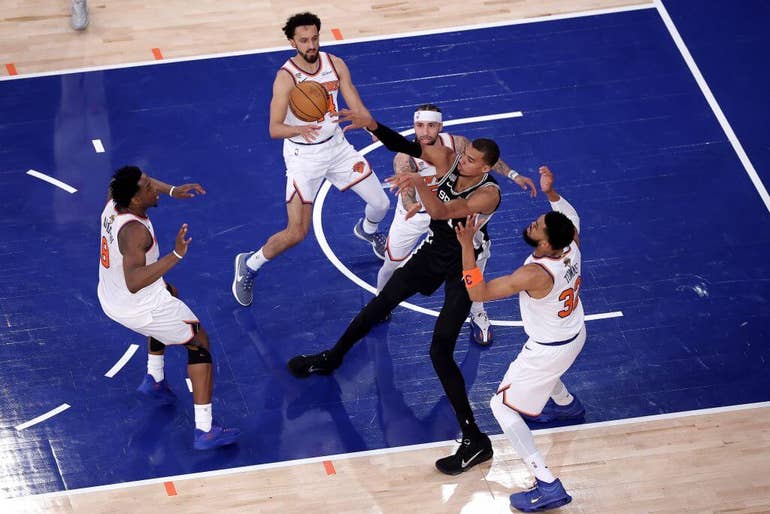
During the deepest rounds of last season’s playoffs, the Spurs experienced the classic growing pains of an elite, young squad. Victor Wembanyama faced intense defensive pressure in the fourth quarter, where opponents successfully disrupted his dribbling cadence and forced him into difficult situations.
While Wembanyama’s regular-season versatility rivaled some of the greatest offensive stretches in NBA history—matching rare historical marks set by Nikola Jokic in terms of multi-category play types—the postseason demanded a different level of refinement. Wembanyama is still just a 22-year-old entering his fourth season, meaning building out a tighter handle, a more consistent pull-up jumper, and simpler scoring options remains a developmental priority.
However, the burden shouldn’t rest entirely on Wembanyama’s shoulders. The coaching staff understands that the system must evolve to take pressure off their young centerpiece, whether that involves growth from dynamic guards like De’Aaron Fox, Stephon Castle, and Dylan Harper, or incorporating new tactical schemes like enhanced dribble handoffs and pick-and-roll wrinkles.
The Tobias Harris Factor
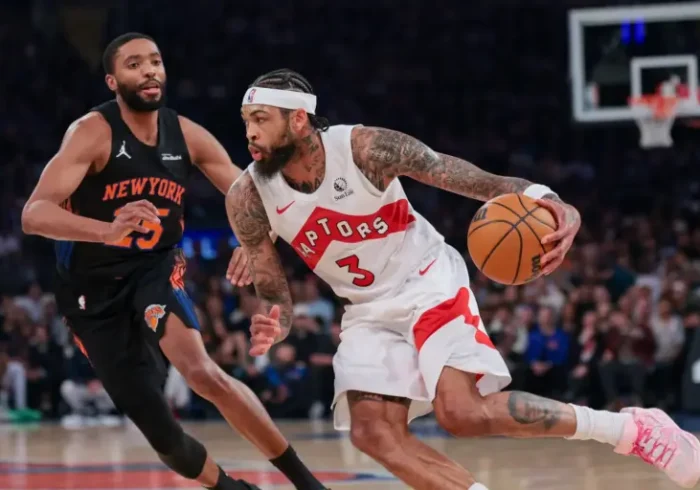
Enter marquee free-agent signing Tobias Harris. The veteran forward is expected to be a massive catalyst for change, bridging the crucial gap between the guards’ floater game, Wembanyama’s mid-post jumpers, and the perimeter shooting of players like Julian Champagnie and Devin Vassell.
Harris brings the ability to attack all the way to the rim through traffic, finish efficiently out of the low and mid-post, and make high-IQ playmaking reads off the bounce. His presence should provide a steady, reliable scoring valve to help prevent those frustrating early fourth-quarter droughts.
The Path Forward for San Antonio
The Spurs rarely found themselves playing from behind during long stretches of their developmental leap, meaning their primary goal this year is simply learning how to maintain control when the pressure peaks late in matches. With the lessons learned from their recent playoff heartbreak, combined with the veteran stability of Tobias Harris and another year of growth for their core stars, San Antonio is well-positioned to iron out their half-court kinks and cement themselves as true championship contenders.