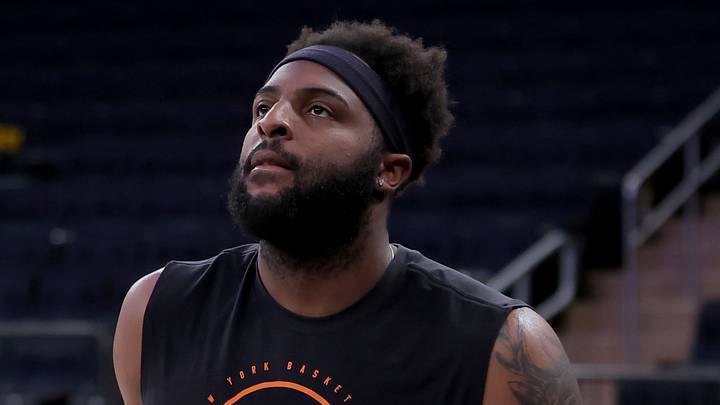
As basketball fans eagerly await the opening of NBA training camps on September 29, the buzz around the Boston Celtics is reaching a fever pitch. Following a disappointing end to their previous campaign, general manager Brad Stevens wasted no time reshaping the roster. Alongside high-profile additions like veteran guard Mike Conley and a theoretically healthy Paul George, the Celtics pulled off a major offseason coup by signing former New York Knicks center Mitchell Robinson.
While stars like George and Conley will command plenty of headlines, Robinson stands out as Boston’s ultimate X-factor. His arrival addresses glaring postseason weaknesses, giving the Celtics a defensive anchor and elite rebounder capable of shifting the balance of power in the Eastern Conference.
Fixing the Center Weakness and Dominating the Glass
During their run to the NBA championship last season, Robinson proved his worth on the game’s biggest stages—most notably locking down San Antonio Spurs superstar Victor Wembanyama during the Finals and securing a clutch, championship-clinching offensive rebound off a missed free throw.
Last year, Boston relied primarily on Neemias Queta and Luka Garza at the center position. While both players logged solid regular-season minutes, their limitations were exposed during the playoffs, leaving the frontcourt as a clear vulnerability.
Enter Robinson, who instantly transforms Boston’s interior defense and rebounding. Joe Mazzulla’s squad famously prioritizes crashing the offensive boards, and Robinson is an elite technician in that department. He finished tied for fourth in the NBA last season with a staggering 4.2 offensive rebounds per game.
Offensively, Robinson will slot seamlessly into the vertical spacing role that Boston previously utilized with players like Robert Williams III and Luke Kornet. As an elite pick-and-roll lob threat, he will provide dynamic gravity that opens up perimeter shooters like Jayson Tatum and Jaylen Brown.
The Two Major Concerns Boston Must Monitor
Despite his immense upside, bringing Robinson to Beantown does not come without risks that the coaching staff must carefully manage:
- Injury History: Durability has been the biggest hurdle across Robinson’s eight-year career. The Florida native has only surpassed the 60-game threshold four times, with three of those instances coming in his first four seasons. However, there is reason for optimism: Robinson shattered that trend last year by playing 60-plus games and appearing in every single playoff matchup for New York. If Boston’s medical staff can keep him on a similar maintenance program, his impact will be immense.
- Free-Throw Struggles: Robinson’s glaring Achilles’ heel remains his efficiency from the charity stripe. He converted just 41% of his regular-season free throws last year, a number that dipped to 29% during the Knicks’ grueling playoff run. Expect Boston’s player development staff to put him through intensive shooting drills to make him less vulnerable to intentional fouling strategies.
Championship Aspirations in Boston
With Brad Stevens retooling the supporting cast around the core, the Celtics have constructed a roster built for redemption. While newcomers will draw plenty of praise, Mitchell Robinson’s ability to lock down the paint, secure second-chance opportunities, and finish at the rim makes him the definitive linchpin of Boston’s title hopes.
If the Celtics can manage his health and iron out his free-throw woes, signing Robinson might go down as the single most impactful move of the entire NBA offseason.
Do you think Mitchell Robinson will secure a permanent starting role over Boston’s existing center rotation, or will Joe Mazzulla manage him as a specialized matchup weapon?