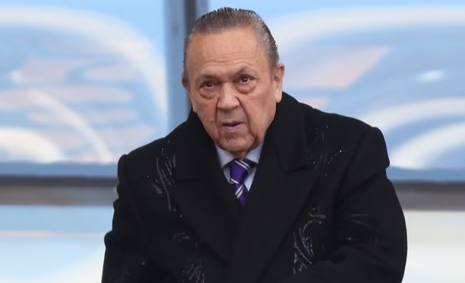
David Sullivan has every legal right to defend his reputation against what he firmly believes are misleading allegations presented as unverified facts by BBC Panorama. As reports confirmed, the former West Ham United chairman has officially lodged a high-stakes High Court claim for libel and aggravated damages, staunchly denying any wrongdoing.
While legal battles of this magnitude are bound to command headlines, the unfolding drama has triggered a much deeper, more alarming anxiety among the West Ham faithful. Beyond the courtroom theatrics, supporters are left asking a crucial question: What does Sullivan’s ongoing entrenchment mean for the future health of our football club?
A Sudden Reversal in Power
Back in June, following Sullivan’s official resignation and a wave of damning statements from fellow shareholders attempting to distance themselves from his leadership, many fans felt confident his polarizing era at the club was finally drawing to a close.
Unfortunately, reality has proven far more stubborn. Despite the summer turbulence and public backlash, Sullivan has quietly increased his overall shareholding from 38% to roughly 40%. While he may no longer hold the undisputed reins of absolute power, he remains heavily entrenched as the second-most influential figure at the club by a significant margin.
With rumors swirling that a second investigative documentary is currently in the pipeline to follow up on the initial Panorama broadcast, Sullivan’s aggressive legal fightback suggests he is digging in for a long, bitter war. But for supporters watching from the stands, the primary focus has always been—and will always be—the welfare of West Ham United.
The Bitter Legacy of Past Mismanagement
The core anxiety gripping the fanbase is simple: if Sullivan feels aggrieved, cornered, or short-changed by external media scrutiny, there is a very real fear that his renewed involvement will pull the club backward rather than push it forward.
It is difficult to find any lucid, football-driven justification for his continued heavy presence in the boardroom. During Sullivan’s overarching ownership tenure, West Ham suffered the agony of relegation twice, while previous accounting periods revealed staggering financial losses totaling £104 million alongside substantial lingering debt.
For generations of supporters who bleed claret and blue, the memories of past sporting stagnation, erratic managerial appointments, and questionable financial strategies remain raw. The last thing a passionate fanbase wants to witness is the club sliding back into the exact same operational patterns that alienated supporters in the past.
Protecting the Soul of West Ham
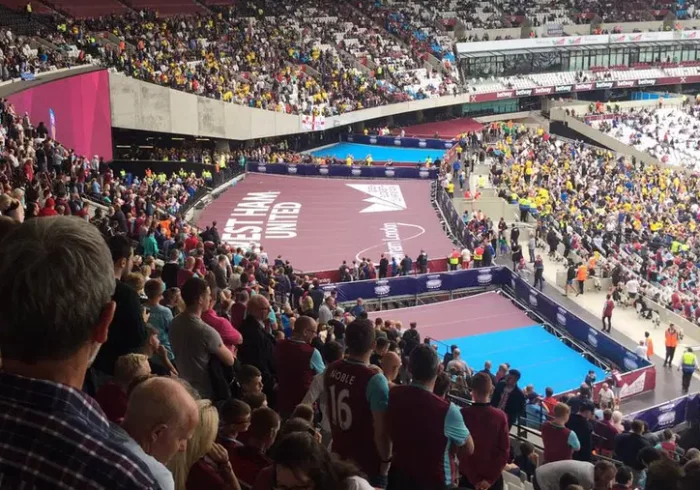
West Ham United is a club built on a proud, historic identity—one defined by swashbuckling attacking football, a fierce connection with the local community, and an astonishingly loyal global fanbase that fills stadiums week in and week out.
If the ownership structure cannot mirror the incredible growth and unwavering passion shown by the supporters, the club risks remaining perpetually trapped beneath its true potential. As Sullivan prepares for his day in court and rumors of further media exposés circulate, the overarching hope across the East London community is that the board prioritizes progressive, transparent football governance above all else.
West Ham cannot afford to take steps backward. The club’s future belongs to its supporters, and the upcoming chapters must be defined by stability, ambition, and modern leadership.
Do you believe David Sullivan’s continued high-stakes shareholding poses a threat to West Ham’s long-term progress, or should fans keep their focus strictly on events on the pitch?